
Last updated August 27, 2026
Free in-home measure and quote - PGT, CGI and CWS impact lines compared on your actual openings, style by style
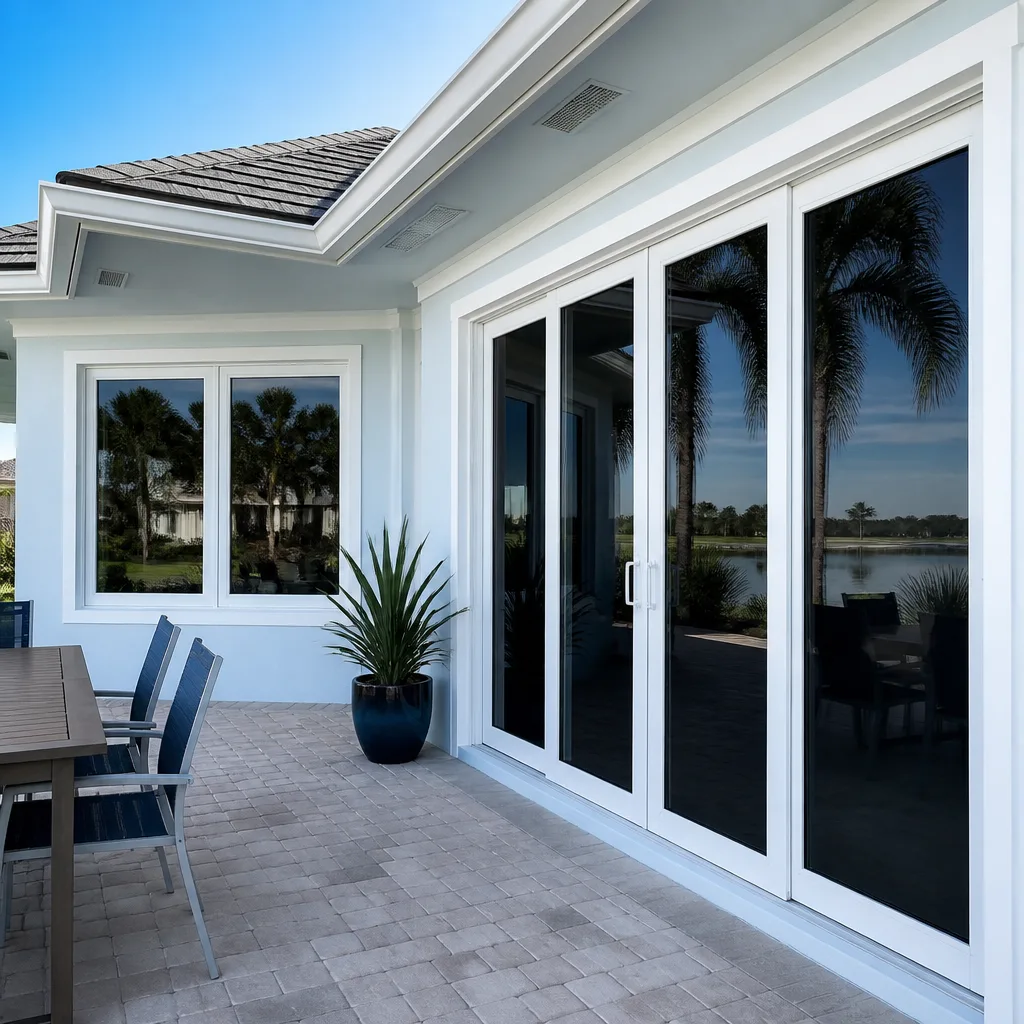
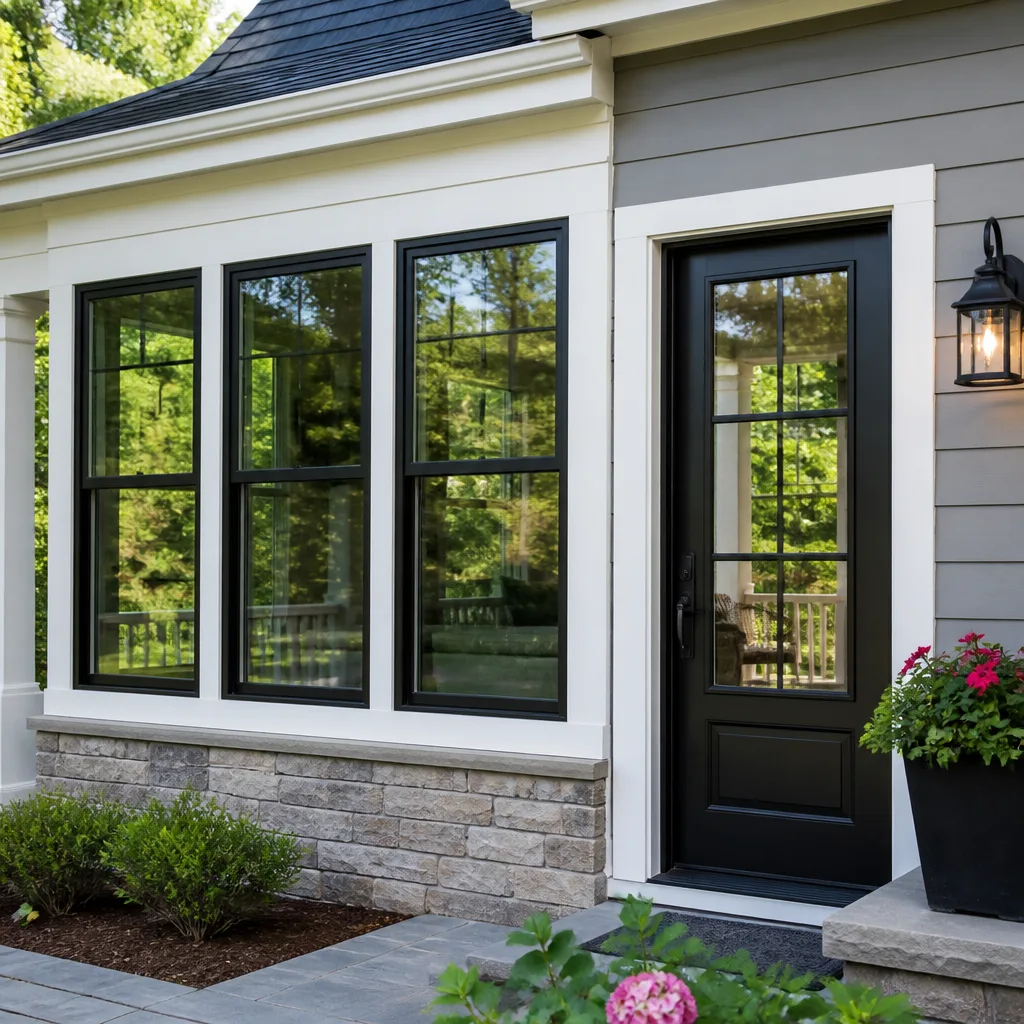
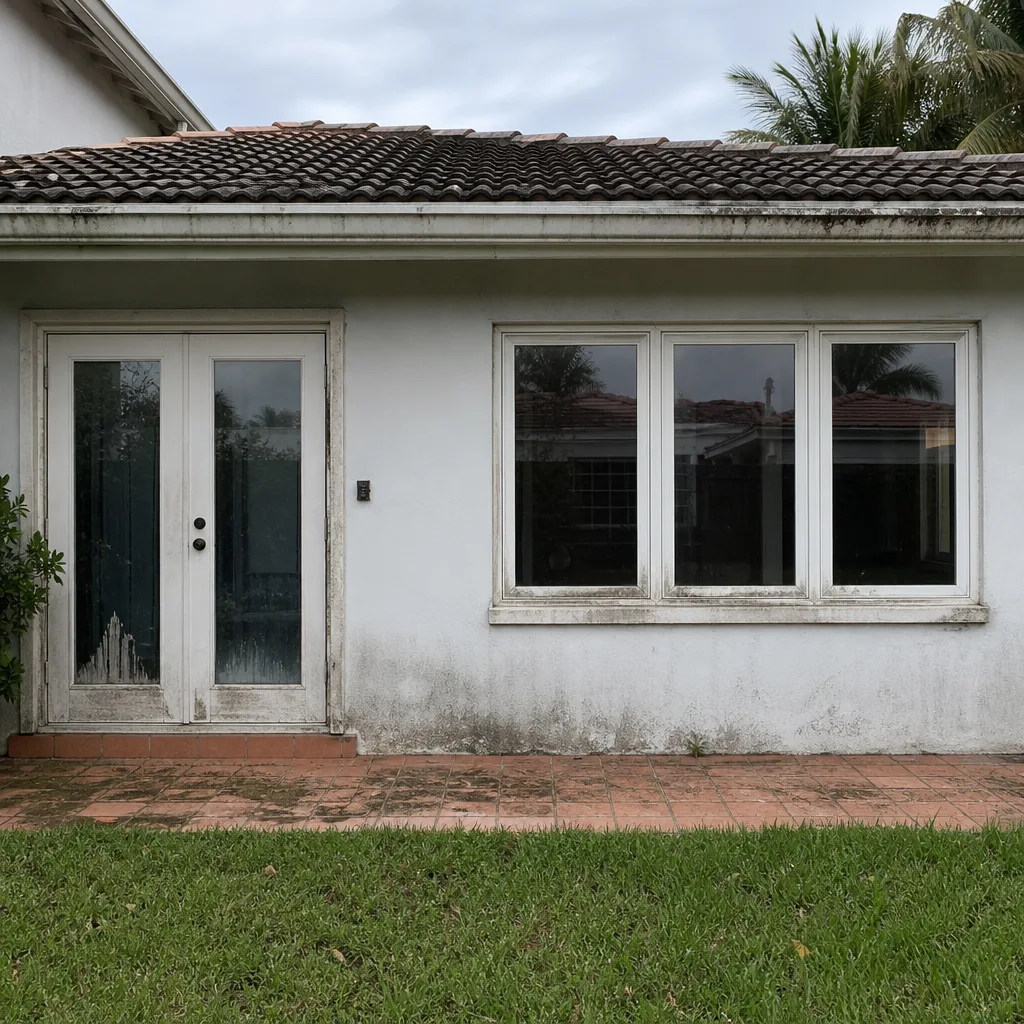 Before
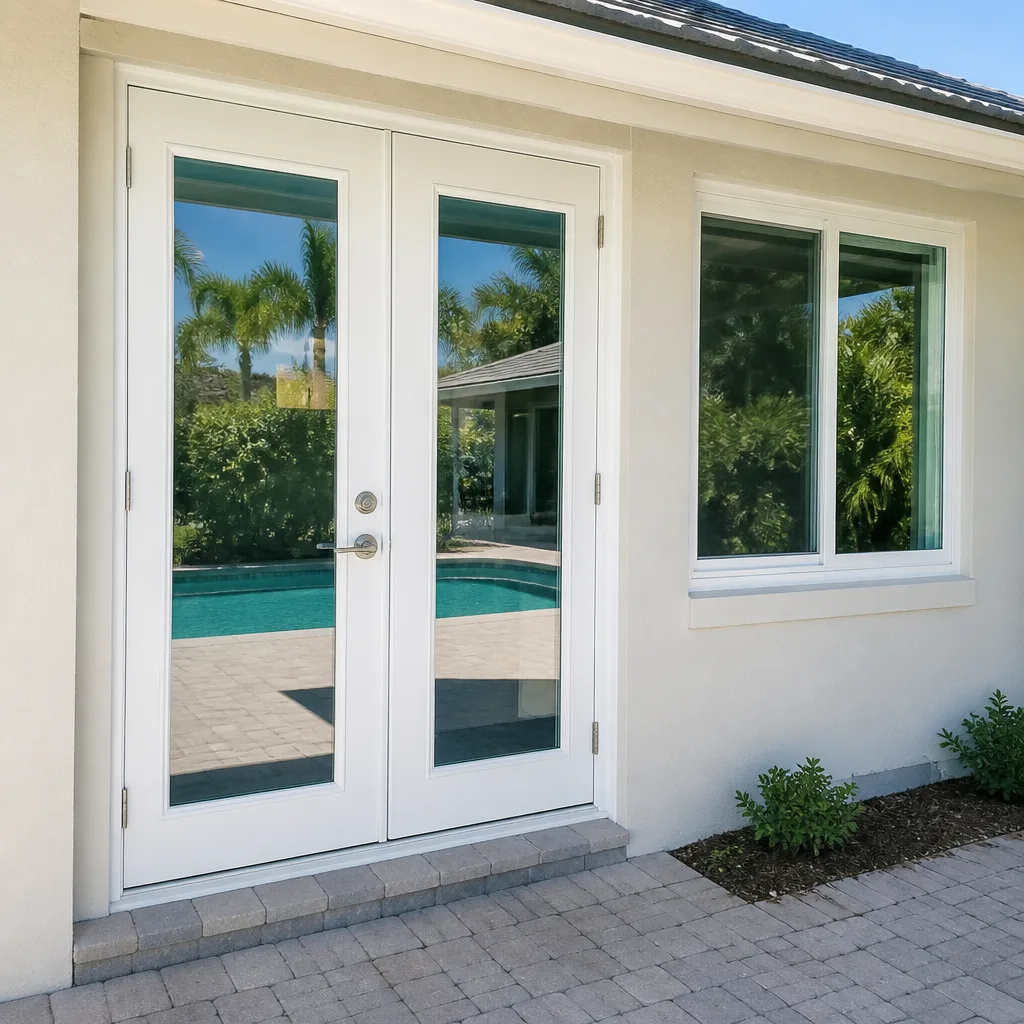 After
After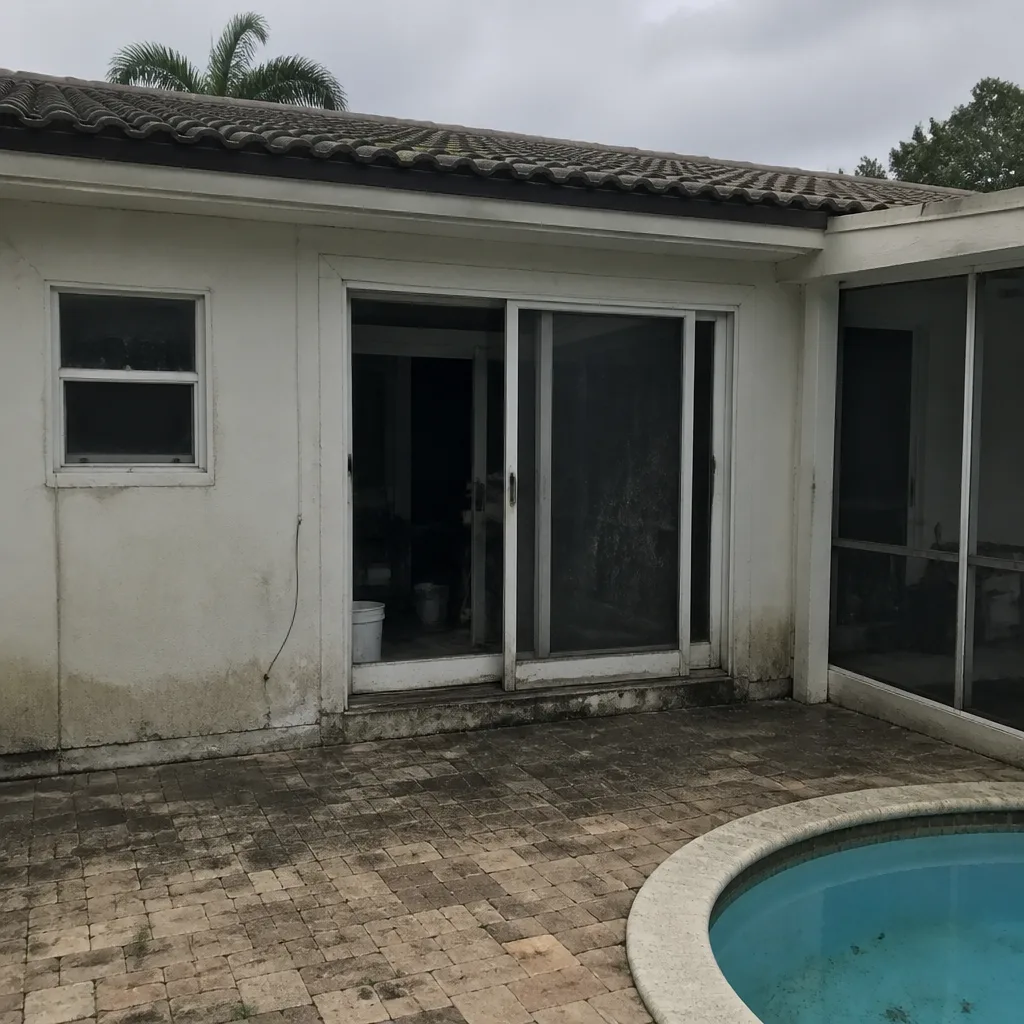 Before
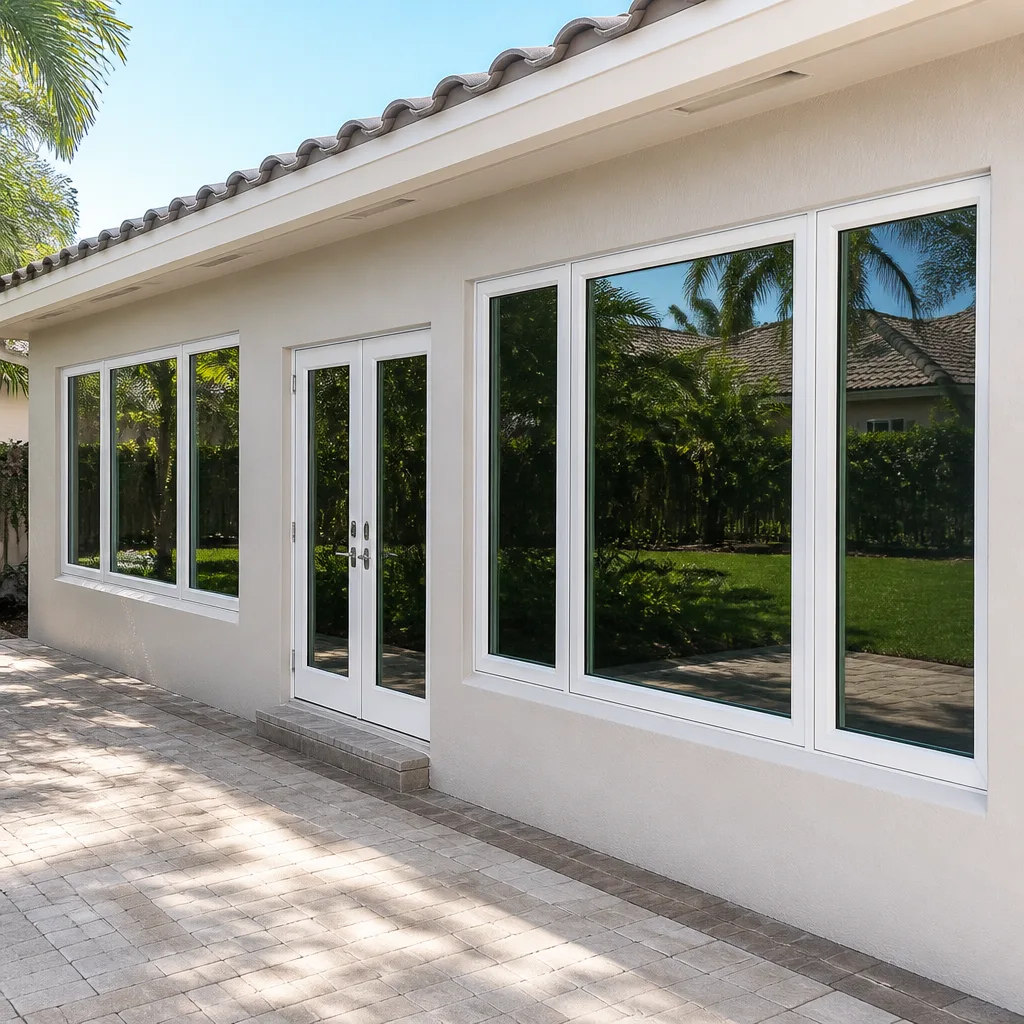 After
AfterWindows & Doors Permits, Codes & Inspections in FL: What You Need to Know
A Fort Lauderdale homeowner accepted a contractor’s “no-permit needed” pitch on impact window replacements to save a few hundred dollars and a week of waiting. Three years later, at closing, the buyer’s inspector flagged the unpermitted installation. The entire job had to be redone, this time with permits, and the seller ate a $14,000 correction. Understanding Florida’s permit system isn’t bureaucratic box-ticking. It’s the difference between owning a home that’s legally yours and owning a liability that surfaces at the worst possible moment.
This guide explains Florida’s window and door permit requirements, the inspection process, what codes actually govern your project, and how Broward County adds its own rules on top-complementing our complete guide to windows & doors in Fort Lauderdale. You’ll learn what gets flagged, what happens when work goes unpermitted, and how to protect yourself before the first screw goes in.
Quick Answer
In Florida, most window and door replacements require a building permit under the Florida Building Code, and impact-rated installations in Broward County must pass a product approval review plus a rough-in inspection before final sign-off. Skipping permits means failed inspections, voided insurance claims, and forced reinstallation at resale. A licensed contractor pulls the permit, schedules the inspections, and carries the legal responsibility if corrections are needed.
Table of Contents
- When Does Window and Door Work Require a Permit in Florida?
- Product Approval Permits vs. Structural Permits: The Distinction Most Homeowners Never Hear
- What Broward County Adds to the Florida Building Code
- What a Failed Rough-In Inspection Actually Means
- How Unpermitted Work Affects Insurance Claims and Resale Disclosures
- The Inspector’s Checklist: What Gets Flagged in Fort Lauderdale and How to Prevent It
- Step-by-Step: The Permitting and Inspection Process From Start to Final Sign-Off
- Fort Lauderdale Wind Loads, Impact Ratings, and HVHZ Requirements
When Does Window and Door Work Require a Permit in Florida?
Under the Florida Building Code, which every municipality in the state adopts as its baseline, replacement of windows and exterior doors is classified as a structural alteration. That means a permit is required in virtually every case where the opening is modified, the frame is changed, or the product being installed carries wind-load and impact requirements. The only consistent exception under Chapter 1 of the FBC is cosmetic work that does not affect the building envelope: interior trim, repainting an existing door, replacing hardware like hinges or handles, or swapping out a screen.
Replacing a full window assembly, cutting a new opening, enlarging an existing opening, or moving a door counts as structural work. It changes the building’s lateral load path, which is exactly what Florida’s wind codes are designed to protect. In Fort Lauderdale, which sits inside the High Velocity Hurricane Zone, that classification matters even more, as detailed in our Windows & Doors Warning Signs: A Fort Lauderdale Homeowner’s Reference Guide. The HVHZ provisions in the FBC require product approvals, impact ratings, and specific anchoring methods that do not apply in, say, Orlando or Gainesville.
Homeowners sometimes assume a “like-for-like” swap, same size, same location, doesn’t need a permit. That assumption is wrong in almost every Florida jurisdiction. Even a direct size-for-size replacement changes the connection points, the flashing, and the water-resistive barrier. A permit gives the building department a record of what was installed and confirms it meets the current code, not the code from when the house was built in 1987.
Product Approval Permits vs. Structural Permits: The Distinction Most Homeowners Never Hear
Florida’s permit system actually runs two parallel tracks, and most homeowners never learn the difference until one of them stalls their project. The first is the product approval, which covers the window or door unit itself. The second is the structural permit, which covers how that product is anchored into the building.
Product approval is governed by Florida Statute 553.842 and the Florida Product Approval System. Every impact-rated window or door sold in Florida must carry a Florida Product Approval number, often printed on a label or etched into the frame corner. This approval certifies that the specific model, in the specific size and configuration, passed testing for wind pressure, impact resistance, and water infiltration. If the unit doesn’t have a Florida Product Approval, the building department will reject the permit application outright, and any installation of that unit is legally non-compliant.
The structural permit addresses the interface between product and building. It covers the anchoring method, the fastener schedule, the buck frame or direct-mount detail, and whether the installation matches the manufacturer’s approved installation drawings. A product can be approved but installed incorrectly, which is why inspectors check both. In Fort Lauderdale, the HVHZ adds a third layer: the installation must match the product approval’s specific approval drawings for the application, not just a generic best-practice detail.
What Broward County Adds to the Florida Building Code
Broward County is one of the few Florida counties that exercises its right to amend the Florida Building Code with local administrative provisions, and those amendments trip up out-of-area contractors more than any other single issue. The Broward County Board of Rules and Appeals publishes local amendments under Chapter 1 of the FBC, and they carry the force of law for every municipality in the county, including Fort Lauderdale.
Three Broward amendments matter most for window and door work:
- Product approval verification is stricter. Broward requires the permit application to include the full Florida Product Approval documents, not just the number, and the approval drawings must match the exact application: single-family, high-rise, mullion configuration, and anchoring substrate.
- Special inspector requirements apply to certain installations. For more complex jobs, particularly in condominium buildings or where mullion systems are used, Broward may require a threshold inspection by a licensed engineer, not just a county inspector.
- Notice of Acceptance documents must be current. If a product’s approval was updated or revised, Broward enforces the current Notice of Acceptance, even when the product was manufactured before the revision. Older stock with outdated paperwork can fail review.
Contractors who work across county lines, say from Miami-Dade into Broward, sometimes miss these differences because Miami-Dade’s product control system operates differently. In our experience working in Fort Lauderdale, the most common cause of a delayed window permit is incomplete or mismatched product approval submittal, and it’s almost always from a contractor who doesn’t do daily business in Broward-one reason we covered the DIY vs Professional decision for Fort Lauderdale homeowners.
What a Failed Rough-In Inspection Actually Means
A rough-in inspection for window or door replacement happens after the old unit is removed and the new one is set, anchored, and flashed, but before interior trim and finish work conceal the installation. The inspector is looking at the anchoring, the flashing, the sealant, the shimming, and the water-resistive barrier integration. This is the inspection that catches real problems, and it’s the one that determines whether your project moves forward or stalls.
When an inspection fails, the contractor receives a correction notice that lists each specific deficiency. The legally responsible party for corrections is the contractor who pulled the permit, not the homeowner, which is one of the strongest arguments for never pulling an owner-builder permit on a window or door job to “help out” an unlicensed handyman. If you pull the permit as the owner, the corrections become your legal responsibility, and your contractor can walk away and leave you with a failed inspection on a permit in your name.
Timeline impact varies. A simple correction, say a missing fastener or an incomplete sealant bead, can be fixed the same day and rescheduled for reinspection within 24 to 72 hours depending on the building department’s backlog. A major correction, like structurally inadequate anchoring that requires removing and resetting the unit, can add a week or more. Every day of delay is a day the opening is exposed to Florida weather, which is why the contractor’s experience with the local inspection regime matters as much as their installation skill.
How Unpermitted Work Affects Insurance Claims and Resale Disclosures
The hidden cost of unpermitted window and door work doesn’t show up the day the crew leaves. It shows up when the roof leaks during a named storm, when a burglar kicks in a back door that was never properly anchored, or when you fill out a seller’s disclosure and realize you have to check “yes” on the question about unpermitted work. Each of those moments exposes the homeowner to financial risk that dwarfs the original permit fee.
On the insurance side, Florida carriers have gotten aggressive about post-claim underwriting. If a windstorm damages your home and the adjuster discovers the windows or doors were replaced without permits, the carrier can argue the unpermitted work contributed to the loss or violated policy conditions. In the worst case, the claim is denied. Even when the claim is paid, the carrier may non-renew the policy. Fort Lauderdale homeowners have seen this scenario play out after hurricanes, and the burden of proof falls on the homeowner to show the unpermitted work did not cause or worsen the damage.
On the resale side, Florida law requires sellers to disclose known defects and unpermitted work. Failing to disclose invites post-closing litigation. Disclosing it scares off buyers or forces a price reduction. The buyer’s lender may also refuse to finance the property if an appraiser flags unpermitted alterations, which is exactly what happened to the Fort Lauderdale seller in the opening example. The cheaper install becomes the most expensive install, just delayed by a few years.
The Inspector’s Checklist: What Gets Flagged in Fort Lauderdale and How to Prevent It
After roughly fifteen years of watching Fort Lauderdale inspections on window and door jobs, the same items come up again and again. None of them are exotic. All of them are preventable by a contractor who does their homework.
- Missing or incorrect product approval documentation. The Florida Product Approval number must match the exact unit installed, and the approval drawings must cover the exact application. A contractor who grabs the wrong cut sheet for a similar-looking model wastes an entire inspection cycle.
- Fastener spacing and type not matching the approval drawings. Fort Lauderdale inspectors check fastener spacing against the approval, not against general practice. If the drawing calls for anchors every 6 inches and the crew installed them every 8, it fails.
- Improper flashing at the sill and head. Water intrusion is the leading cause of premature window failure in South Florida, and inspectors look hard at flashing laps, end dams at the sill, and head flashing integration with the weather-resistive barrier.
- Sealant gaps at the perimeter. The joint between frame and rough opening must be sealed continuously. Gaps as small as a quarter inch get flagged because they create a pathway for wind-driven rain.
- Incorrect shim placement causing frame distortion. Shims belong at specific load points. Random shim placement bows the frame, binds the sash, and voids the manufacturer’s warranty.
- Unapproved mullion assemblies. When two windows are joined side by side, the mullion must be part of the product approval. Field-fabricated mullions without approval are an automatic fail in Broward.
A contractor who knows which of these the local inspectors focus on prevents the fail before the inspector ever arrives. That knowledge is earned through years of working in the same city, not through a generic installation manual.
Step-by-Step: The Permitting and Inspection Process From Start to Final Sign-Off
The full process, from permit application to final inspection, typically runs two to six weeks in Fort Lauderdale depending on building department workload, and you can find more guides & resources on our blog. Here’s what actually happens, step by step.
- Contractor submits the permit application with product approvals. The application includes the property address, scope of work, product approval documents for each unit, installation drawings, and the contractor’s license and insurance. Incomplete applications get rejected quickly.
- Plan review is completed. Fort Lauderdale’s building department reviews the submittal for code compliance. Straightforward replacement jobs clear review in a few days to two weeks. New openings or structural changes take longer because they may require engineered drawings.
- Permit is issued and posted. Once issued, the permit card must be posted at the job site before work begins. Any work done before permit issuance is already a violation.
- Rough-in inspection is scheduled. The contractor calls for inspection after the units are set, anchored, flashed, and sealed, but before finish trim conceals the work.
- Rough-in inspection is performed. The inspector verifies product approvals on site, anchoring, flashing, and sealant against the approved drawings. Pass means the contractor can proceed to finish work.
- Final inspection is scheduled and performed. After trim, interior finishes, and any stucco or siding repair around the openings, the inspector returns to confirm the completed installation and close out the permit.
- Final sign-off is recorded. The closed permit becomes part of the building department’s permanent record for your address, which is exactly what you want when you sell the home or file an insurance claim.
At Window Installation in Fort Lauderdale, every job we do includes this process end to end. Ed Winslow’s name is on the permit, which means Ed Winslow’s name is on the corrections if anything fails. That’s the accountability structure a homeowner wants.
Fort Lauderdale Wind Loads, Impact Ratings, and HVHZ Requirements
Fort Lauderdale sits inside the High Velocity Hurricane Zone established after Hurricane Andrew, and the wind-load requirements here are among the strictest in the country. Any new window or door installed in Fort Lauderdale must meet the HVHZ provisions of the Florida Building Code, which govern design pressure ratings, impact resistance, and anchoring methods.
Design pressure, or DP rating, is the structural measure of how much wind pressure the unit can resist before failure. In Fort Lauderdale, the required DP rating varies by building height, exposure category, and the unit’s location on the structure. A window on a second-floor corner exposure faces different pressures than a window in a protected courtyard. Impact resistance is a separate measure: whether the glass can survive a 9-pound 2×4 fired at 50 feet per second without penetration, which is the standard large-missile test for impact-rated products.
Products from manufacturers like CWS and ES Windows carry Florida Product Approvals that cover the Fort Lauderdale wind-load requirements, but the product alone is not completion. The anchoring method has to match the approval, and the approval has to match the specific house. That’s why the permit and inspection system exists: to verify that what was engineered on paper is what actually got installed.
Common Mistakes to Avoid
- Accepting “no permit needed” from a contractor. In Florida, almost every window and door replacement requires a permit. A contractor who says otherwise is either wrong or is trying to avoid the cost and accountability of the process.
- Pulling an owner-builder permit for a hired crew. When you pull the permit as the owner, you become legally responsible for every failed inspection and every code violation. If the crew disappears, the corrections are yours.
- Choosing products without verifying Florida Product Approval. A window that looks impact-rated but lacks a current Florida Product Approval will fail permit review and may be entirely non-compliant in Broward County.
- Skipping the rough-in inspection to “save time.” Concealing the installation before the inspector sees it means opening it back up later, at your cost, with a failed final inspection on record.
- Not checking Broward-specific requirements with an out-of-area contractor. Contractors who don’t regularly work in Broward miss the county’s product approval documentation and inspection provisions, and your project is the one that stalls.
- Believing an unpermitted job will never be discovered. Building departments cross-reference aerial imagery with permit records. Insurance companies audit after claims. Buyers and their inspectors check everything. The discovery is not a matter of if, but when.
- Accepting a verbal promise instead of a closed permit. The proof that your installation is legal is the final inspection sign-off recorded by the building department. Anything less is a promise, and promises don’t hold up at closing.
When to Call a Professional
Window and door replacement is not a DIY project under Florida’s code regime, and it’s not a project for a contractor without local experience either. Call a licensed, local professional when the work involves any structural opening, when impact protection is required, when the property sits in a flood zone where elevation and floodplain rules interact with building codes, or when you’re not certain whether existing work was ever permitted. You also need a professional when the project involves load-bearing walls, mullion systems, or products that must meet specific HVHZ design pressures. Winslow Windows & Doors home offers free estimates in Fort Lauderdale, and we walk every customer through the permit and inspection process before a single unit is ordered, because Ed’s name is on the door, and on every job we do. Call (904) 913-5886 to schedule yours.
Frequently Asked Questions
Yes, replacing a single window requires a permit in Florida because even one window changes the building’s wind-load resistance and water-resistive barrier. Call (904) 913-5886 for help getting yours permitted.
Window permit fees in Fort Lauderdale are calculated on the job’s value and typically range from $150 to $600 for a standard replacement project, though the building department sets exact rates and they change periodically. Call (904) 913-5886 and we’ll give you exact permit cost figures for your specific project.
You must disclose unpermitted work on the seller’s disclosure form, and failing to do so risks post-closing litigation, buyer walk-aways, and forced remediation at your expense. Call (904) 913-5886 if you need unpermitted work evaluated before listing.
Straightforward window replacement permits in Broward County typically clear review in 5 to 14 business days, though complex jobs with structural changes take longer. Call (904) 913-5886 for a realistic timeline for your specific project.
Florida allows owner-builder work in limited circumstances, but impact window installation in the HVHZ requires specialized anchoring knowledge and product-specific training, and owner-builders take full legal responsibility for failed inspections. We recommend a licensed contractor, and we’re happy to provide a free estimate at (904) 913-5886.
A product approval certifies the window or door unit itself passed Florida’s testing standards, while a building permit covers the installation of that product into your specific structure. Both are required for legal compliance in Fort Lauderdale.
The Bottom Line
Florida’s permit and inspection system for windows and doors exists because the state’s wind loads make every opening structural, and Fort Lauderdale’s HVHZ status makes that doubly true. The permit is not a tax on your project. It’s the record that proves your installation matches the engineered product approval and the code, which protects you when you file a claim or sell the home. Unpermitted work, by contrast, becomes a financial time bomb with a fuse that burns until the worst possible moment. A neighbor you can call at 2 a.m., and someone will actually answer, that’s how we’ve built Window Replacement in Fort Lauderdale since 2011. Upfront pricing, no surprises on the invoice, and the 36500-Day Done Right Promise behind every opening we touch. Impact-rated and energy-certified, done right the first time, or we come back. The one down the road. Call (904) 913-5886 for your free estimate.
Written by Ed Winslow, Owner at Winslow Windows & Doors, serving Fort Lauderdale since 2011.
Six Reasons Homeowners Choose Winslow Windows & Doors
Impact systems engineered to design pressures up to +/-100, matched to your wind zone - your openings hold when the storm arrives.
Low-E insulated impact glass from our manufacturer lines commonly cuts monthly cooling bills 20-30%.
Laminated impact glass shuts out up to 40% of outside noise - traffic, neighbors, weather.
Monitoring services run $30-90 a month. Laminated impact glass resists forced entry around the clock, with no subscription.
Florida homeowners average around 25% savings on the windstorm portion of their policy after protecting every opening - some homes qualify for more.
A full impact package upgrades curb appeal, buyer confidence and appraised value in one project.