
Last updated August 27, 2026
Free in-home measure and quote - PGT, CGI and CWS impact lines compared on your actual openings, style by style
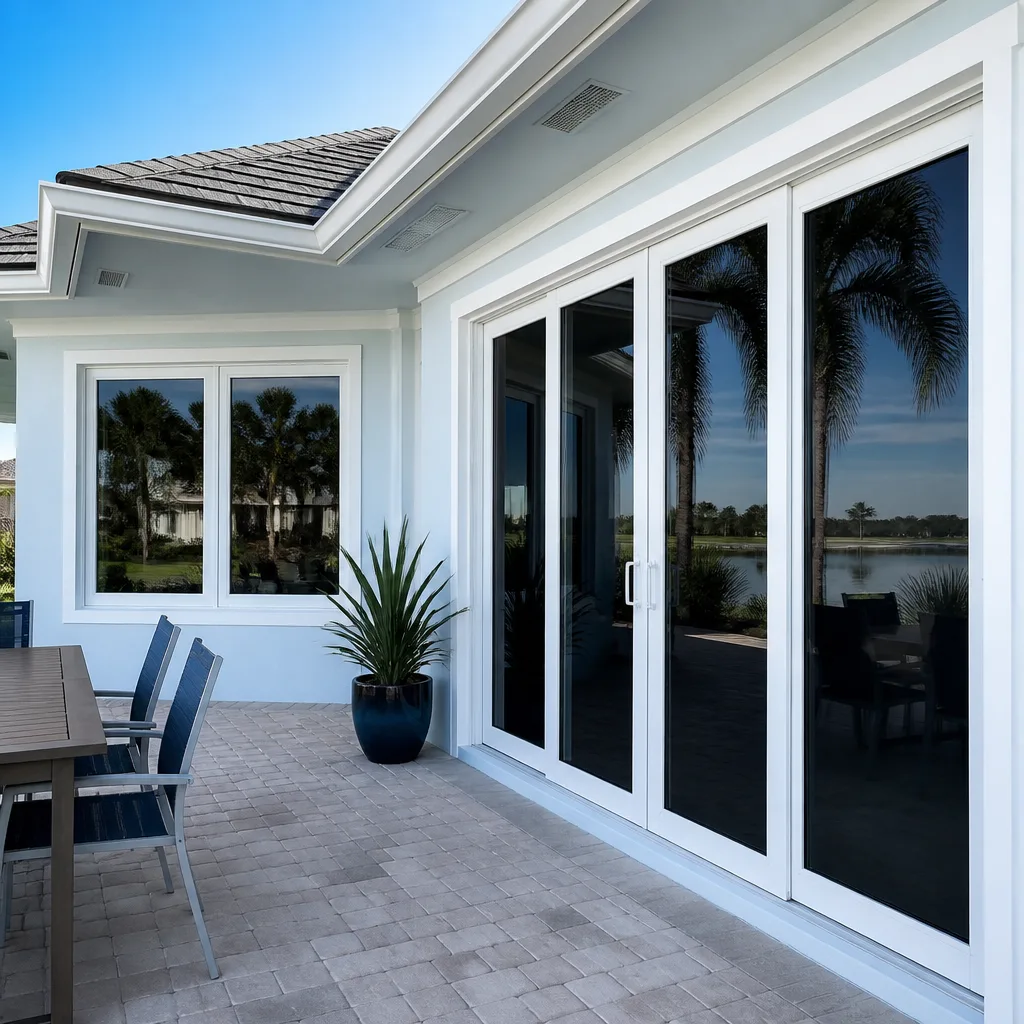
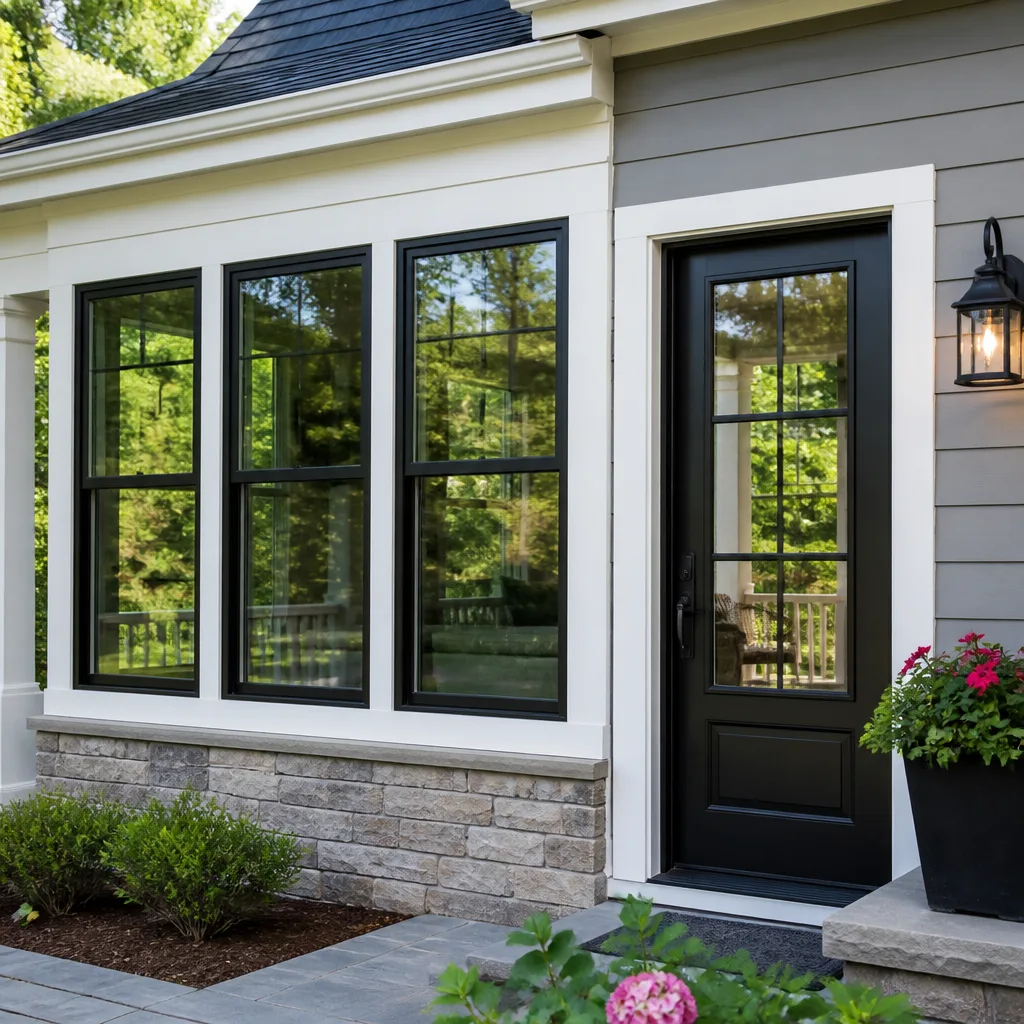
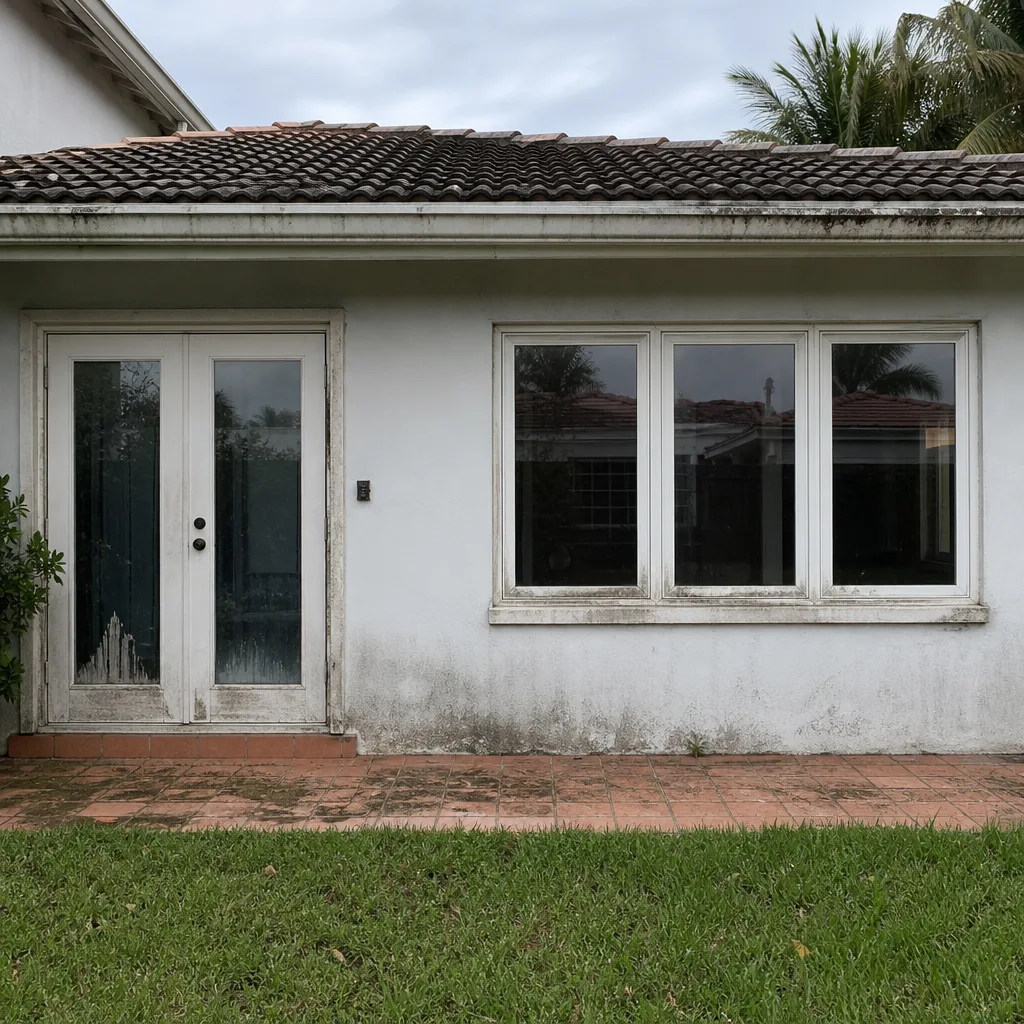 Before
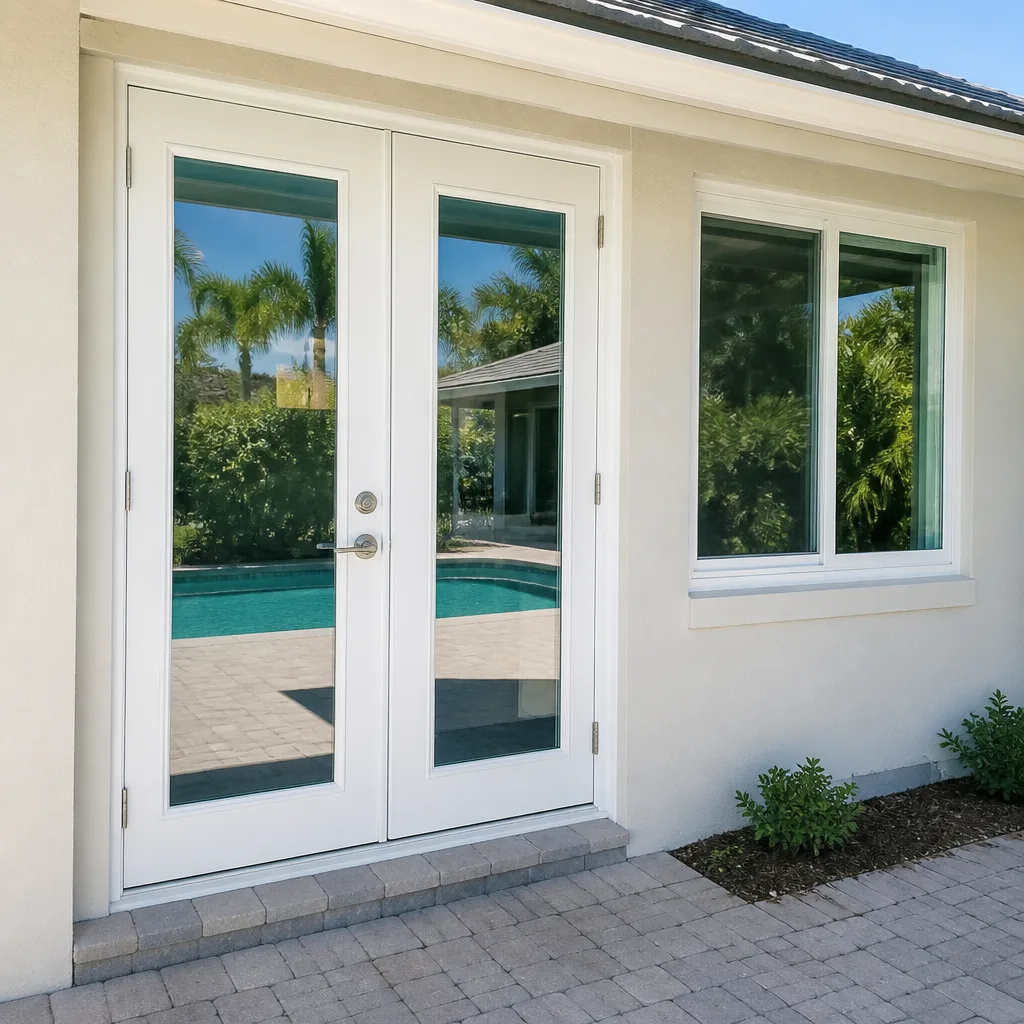 After
After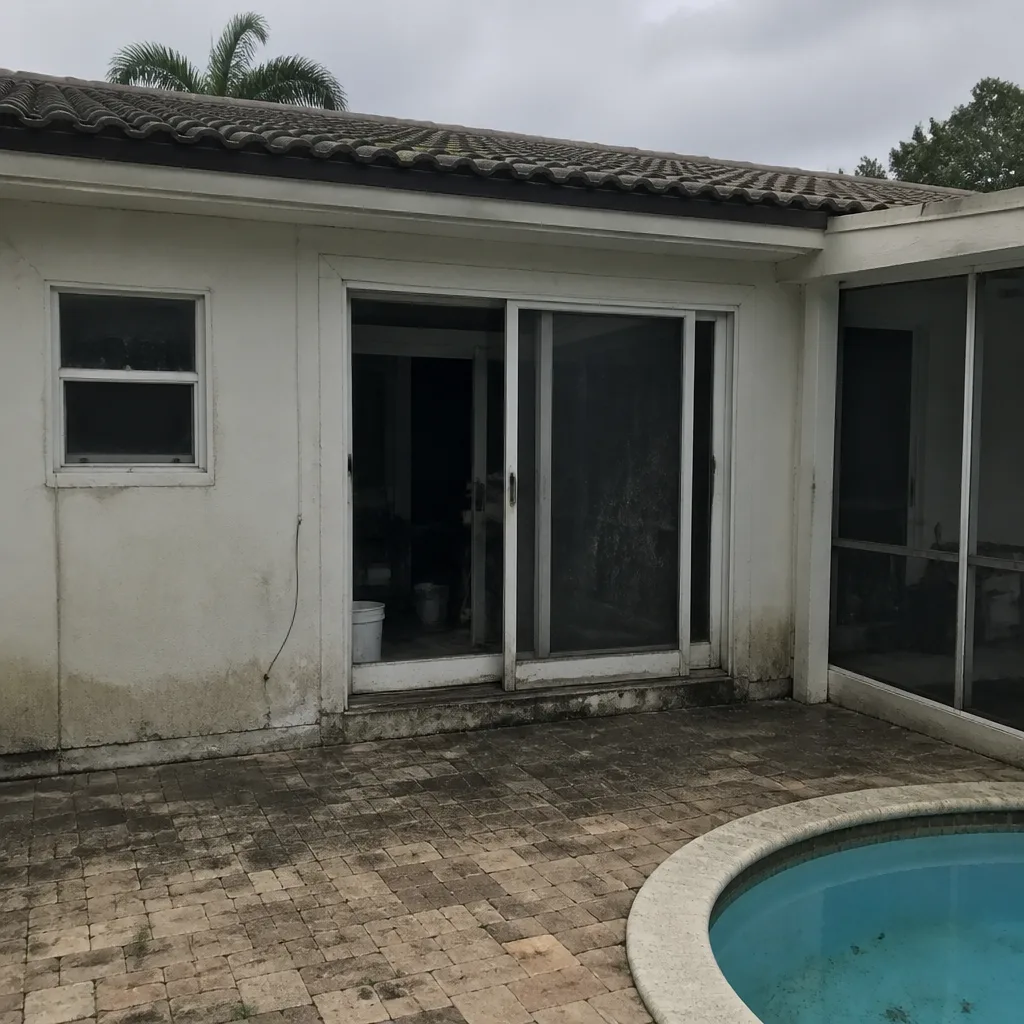 Before
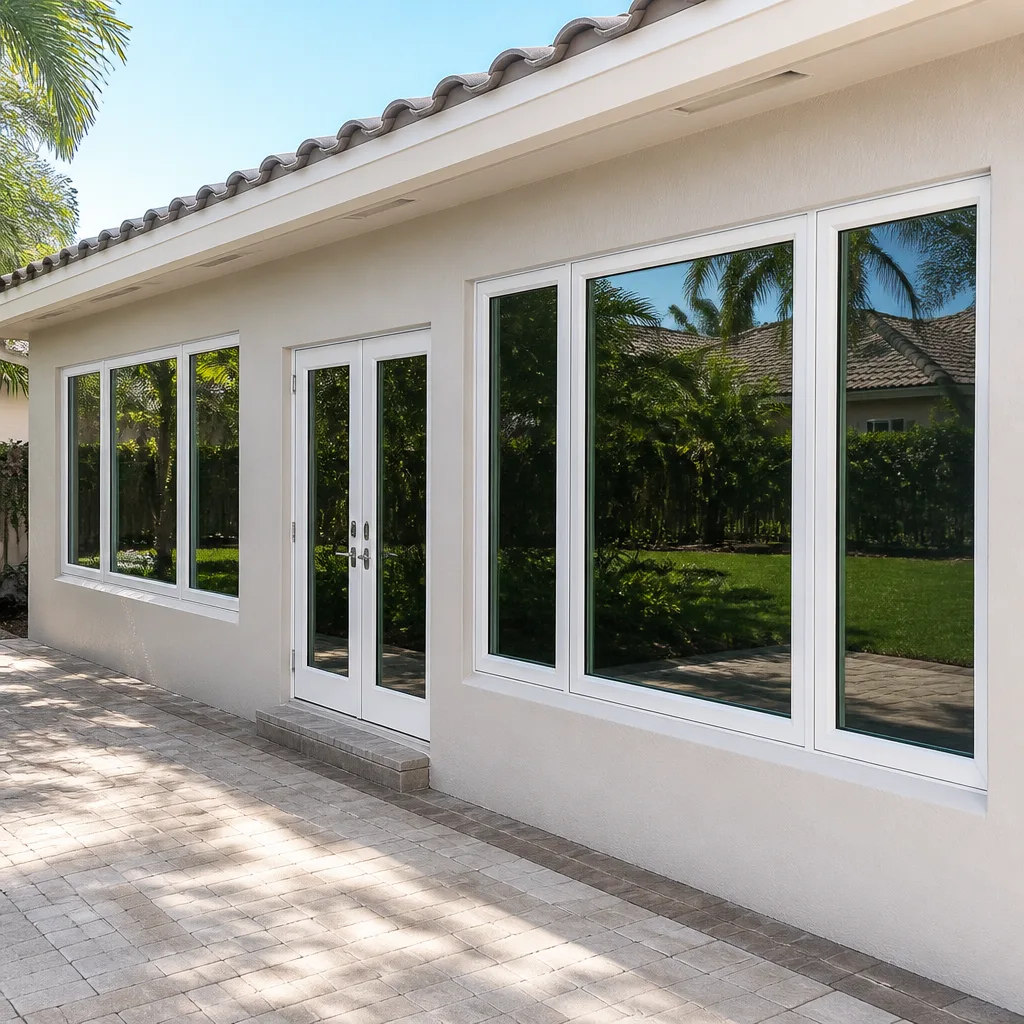 After
AfterDIY vs Professional Windows & Doors: The Fort Lauderdale Homeowner’s Decision Guide
In 46 states, swapping a window is a weekend project. In Florida, it’s a legally regulated building modification, and Fort Lauderdale sits in the middle of the High Velocity Hurricane Zone (HVHZ), which means the code book is thicker than anywhere else in the country. One failed inspection on a DIY impact window doesn’t just cost you the reinstall, it can cost you your insurance claim after the next storm. This guide gives you the exact line between what a Fort Lauderdale homeowner can safely tackle and what belongs in the hands of a licensed pro, plus the real numbers behind both routes.
Quick Answer
In Fort Lauderdale, a homeowner can legally pull their own permit and install their own windows or doors, but most impact-rated replacements fail inspection when done DIY, and a failed inspection voids the product warranty and puts your insurance at risk. The only truly safe DIY window and door tasks here are cosmetic or non-structural: weatherstripping, interior trim, caulking, and hardware swaps. If the opening is structural, impact-rated, or part of your storm protection system, hire a professional. Impact windows in Fort Lauderdale are an investment in your family’s safety, not a project to learn on.
Table of Contents
- What Florida Law Actually Says About DIY Window Installation
- The Fort Lauderdale Code Requirements Most DIYers Never See Coming
- The Real Cost Comparison: Why “Contractor Quote vs. Product Cost” Is a False Equation
- Where DIY Impact Window Installs Fail: The Steps That Matter Most
- What a Failed Inspection Does to Your Insurance and Resale Value
- The Narrow List of Window and Door Tasks That ARE DIY-Appropriate in Fort Lauderdale
- How to Choose a Fort Lauderdale Window and Door Contractor (Even If You Don’t Choose Us)
What Florida Law Actually Says About DIY Window Installation
Florida Statute 489.103(7) carves out a specific exemption: a homeowner may act as their own contractor and pull permits for work on their primary residence, provided the home is not for sale or lease within one year of completion. That sounds permissive. What it doesn’t say is that the exemption only covers the pull, not the performance. When you sign the permit application in the owner-builder box, you’re legally certifying that you understand the Florida Building Code and will comply with every provision that applies to your opening. The inspector, when he arrives, treats you exactly the same as a licensed contractor. He doesn’t grade on a curve. He doesn’t give partial credit. He opens the code book and checks.
For Fort Lauderdale specifically, you’re under the 8th Edition (2023) Florida Building Code, with Miami-Dade HVHZ provisions applying to all impact-rated products. The city also requires a Notice of Acceptance (NOA) for every impact product installed. An NOA is a document that certifies a specific product, in a specific size, in a specific frame, passed missile-impact and pressure testing. If your window’s exact configuration isn’t listed on a current NOA, it doesn’t matter how well you installed it. It fails. Period. Licensed installers in Fort Lauderdale know which PGT and CGI configurations carry active NOAs and which ones don’t. A homeowner reading the code for the first time won’t know to check.
You’re also required, under the owner-builder exemption, to hire licensed subs for any work you can’t perform yourself, and to act as the general contractor for scheduling, inspections, and correction orders. Miss one inspection window, and the city can red-tag the job. Red-tag means stop work, rip out what’s in, or both. We’ve seen homeowners in Victoria Park and Rio Vista get caught exactly this way, not because they were careless, but because the city’s inspection calendar doesn’t flex around a day job.
What most Floridians don’t know: the owner-builder permit stays attached to the property record. When you go to sell, the buyer’s inspector can pull the permit history and see that a non-licensed owner performed an impact-window installation. That disclosure becomes a negotiation chip for the buyer and a liability for you. The permit itself, even if passed, doesn’t carry the same insurance-backed workmanship warranty a licensed contractor’s work does.
The Fort Lauderdale Code Requirements Most DIYers Never See Coming
If you’ve watched a window installation video online, you’ve seen the generic process: remove, square, shim, fasten, seal. What you haven’t seen are the Fort Lauderdale-specific requirements that sit behind every inspection checklist.
1. Anchor Schedule and Fastener Verification
Impact windows in the HVHZ must be anchored with specific fasteners at specific intervals, typically #10 or #12 corrosion-resistant screws at 4 to 6 inches on center, but the exact schedule depends on the product’s NOA. The anchor must penetrate into the structural substrate, not just the rough opening. Miss this, and the window won’t hold design pressure. The inspector checks. We regularly see DIY installs in Fort Lauderdale’s older mid-century homes where fasteners missed the rough buck entirely, landing in crumbly stucco. The window looks fine on a sunny day and fails catastrophically in a Cat 3.
2. Flashing and Waterproofing Sequence
- Step one: apply sill pan flashing at rough opening base, lapped up interior dam
- Step two: install window, shim for plumb and square, fasten per NOA
- Step three: integrate window flange into weather-resistant barrier (WRB) using lath and sealant per Section R703 of FBC
- Step four: apply sealant bead at exterior perimeter, but never seal the bottom weep holes
The last one is the one we see failed most often. Homeowners caulk weep holes shut because they think it looks cleaner. The window then can’t drain, and six months later you’ve got rot in the sill and mold in the wall cavity. In Fort Lauderdale’s rainy season, that’s not a six-month problem, it’s a six-week problem.
3. NOA Match Verification
Every impact window product must have a current Florida Building Code NOA matching the exact size, glass type, frame, and installation method. The inspector will check the NOA number against the product label on the glass. If the NOA expired or the product configuration doesn’t match, the window fails. Licensed contractors verify NOA before the product ships. Homeowners usually don’t know what an NOA is until the inspection report comes back.
If this section is already overwhelming, that’s the point. The code is deep for a reason: in a hurricane zone, your window is a structural component, not an aesthetic one.
The Real Cost Comparison: Why “Contractor Quote vs. Product Cost” Is a False Equation
Most DIY cost calculators work like this: product cost from a big-box retailer, plus some shims and caulk, divided by zero paid to a contractor. The result looks like thousands saved. Here’s what the calculator leaves out in Fort Lauderdale.
Product Cost Reality Check
| Cost Category | DIY Route | Professional Route (Winslow Windows & Doors) |
|---|---|---|
| Impact window product (typical 48×60, PGT or CGI) | $600-$1,200 retail, but may not match NOA in your size | $400-$900 (contractor wholesale on PGT and CGI product lines, pre-verified NOA) |
| Permit and inspection fees | $75-$250, paid by you, plus re-inspection fees if failed | Included in quote |
| Fasteners, flashing, sealant, shims | $60-$150, you buy at retail | Included, commercial-grade materials you can’t easily source retail |
| Failure cost (first failed inspection) | $200-$500 in re-work, plus permit re-inspection fees | $0 - we fix our own work under the 36500-Day Done Right Promise |
| Warranty exposure | Product warranty voided by non-licensed install on most impact lines | Full product warranty plus 36500-Day Done Right Promise: if it’s not done right, Ed Winslow makes it right, period |
| Insurance risk | Your insurer can deny windstorm claims for unpermitted or failed-install work | Passed inspection, licensed contractor, documented for underwriting |
The true equation in Fort Lauderdale isn’t “contractor quote minus product cost equals savings.” It’s “contractor quote versus product cost plus permit risk plus inspection risk plus warranty exposure plus insurance exposure.” Add in the time you’ll spend on the phone with the building department, and the math shifts fast. We’ve quoted jobs where the homeowner had already spent $700 on product and $120 on permit fees, only to fail inspection on the first pass and call us to undo what was done. The “savings” had already evaporated before our truck pulled up.
That said, if you’re truly comfortable with the code and the risk, the owner-builder route is legally available to you. Ed Winslow would never tell you otherwise. But he’d tell you to read the rest of this page first.
Where DIY Impact Window Installs Fail: The Steps That Matter Most
In our 15 plus years of installing windows in Fort Lauderdale, we’ve corrected more DIY jobs than we can count. The same failure points show up over and over. Here’s what actually goes wrong in the field, in order of frequency.
1. Incorrect Anchoring
The most common DIY failure. The window is plumb, level, square, and bolted into the rough opening with whatever fasteners came in the blister pack. The fasteners don’t meet the NOA schedule, miss the structural substrate, or corrode in salt air. In Coral Ridge and Lauderdale Harbours, where salt spray is a constant, zinc-plated hardware rusts through in under five years. The window looks fine. It’s not fine. We see this at least twice a month on call-backs.
2. Sealed Weep System
Homeowner caulks the bottom of the frame because “water could get in.” Water is supposed to get in and drain out. That’s the weep system’s job. Seal it, and the water sits in the frame, blows out the seal, and rot begins. We replace more sills in Fort Lauderdale’s rainy-season homes for this single error than any other.
3. Shim Overload
Rough openings in older Fort Lauderdale homes are rarely square. DIY installers add shims in a stack to level the window, then crank the anchor screws down. The frame bows. The glass seal breaks. The window fogs up six months later and the product warranty is void because installation wasn’t per NOA. A bowed PGT or CGI window isn’t a product defect; it’s an installation defect.
4. Flashing Over Flashing
You can’t flash over flashing. The WRB has to integrate with the window flange in a specific shingle-lap sequence, top over bottom, exterior over interior. Get the order wrong and water runs behind the WRB. In Fort Lauderdale’s summer storms, that’s a leak the first week.
5. No NOA Verification at All
The product is in, looks great, passes the rough inspection. Then the inspector checks the label against the NOA database and the product isn’t listed. The window has to come out. We’ve seen this happen with big-box impact windows that carry Florida Product Approval numbers but not current Miami-Dade NOAs for the specific configuration installed. The homeowner paid retail, pulled a permit, and now owns a window that’s illegal in its opening.
None of these failures are visible until you’re in a storm, at an inspection, or on the phone with an insurance adjuster. That’s the insidious part. A bad DIY install doesn’t show you its flaws on a sunny Tuesday. It shows them at 2 a.m. during a hurricane warning, or in a denied claim after the storm has passed.
What a Failed Inspection Does to Your Insurance and Resale Value
Here’s the part most Fort Lauderdale homeowners don’t think about until it’s too late. Your homeowner’s insurance policy is a contract, and it contains provisions about permitted work and storm protection. If you self-install impact windows and they pass inspection, you’re generally fine. If they fail, or if the work was unpermitted, you’re in a gray zone that gets very dark when a claim lands.
Insurance carriers in Florida have tightened underwriting substantially since the 2023 reforms. Many carriers now require documentation that impact-rated products were installed by a licensed contractor with a passed final inspection before they’ll apply windstorm mitigation discounts or, in some cases, before they’ll write the policy at all. A DIY install with an owner-builder permit may get you a passed inspection, but the carrier may not accept it the same way. And if you ever need to file a windstorm claim, the adjuster’s first move is to pull the permit record and the installation documentation. If the work wasn’t done to code, even if it passed, the claim can get complicated. Denied, in the worst case.
At resale, the picture is just as clear. Florida law requires full disclosure of known defects. If you know your DIY impact windows failed an inspection once, or you know the anchors don’t meet the NOA, you’re obligated to disclose that. The buyer’s home inspector, if he’s any good, will pull the permit history and check the NOA records. At that point you’re negotiating from a position of weakness, and a failed or unpermitted installation can knock five percent off the sale price. On a $600,000 Fort Lauderdale bungalow, that’s $30,000. Your “savings” from DIY just evaporated a hundred times over.
We’re not raising this to scare you. We’re raising it because Ed Winslow has sat across the table from too many Fort Lauderdale homeowners who discovered this after the fact. The time to think about insurance and resale is before the saw comes out, not after the inspection report says “failed.”
The Narrow List of Window and Door Tasks That ARE DIY-Appropriate in Fort Lauderdale
This guide wouldn’t be an honest decision guide if we told you every window and door task requires a professional. Some things you can genuinely do yourself, and we’ll tell you exactly which ones. The rule is simple: cosmetic and non-structural, yes; anything that touches the opening, the anchoring, the weather seal, or the storm rating, no.
Safe DIY Tasks (No Permit Required)
- Weatherstripping replacement: If your door is drafty, replacing the weatherstrip along the jamb and threshold is a 30-minute job with a $15 kit. No permit, no code, no risk, real comfort gain. We recommend closed-cell foam strips, not felt, for Fort Lauderdale’s humidity.
- Interior trim and casing: The molding around the inside of a window or door is cosmetic. If it’s cracked, you can pull it, cut a new piece, and nail it back. Tools needed: a miter saw and a nail gun. No impact on the envelope.
- Caulking interior gaps: Gaps between the window frame and the interior drywall can be re-caulked with a paintable acrylic caulk. This is surface work only. Don’t touch exterior sealant around impact windows - that’s a weather barrier and it’s doing a structural job.
- Hardware swaps: Door handles, locksets, hinge replacement, and window cranks can be swapped without a permit. Buy the right backset measurement and you’re fine. For entry doors, check your current lock strike plate spacing before you buy.
- Screen repairs: Broken screen mesh, torn corner spline, bent frame. All DIY. Replacement screen kits are cheap and the work doesn’t touch the window itself.
- Interior shutter installation: Plantation shutters, shades, and blinds are interior decor, not construction. No permit required. Just don’t drill into the window frame itself - anchor into the surrounding wall or casing.
Tasks That Are NOT DIY in Fort Lauderdale
- Any impact window or door replacement in a structural opening
- Any installation that changes the rough opening size
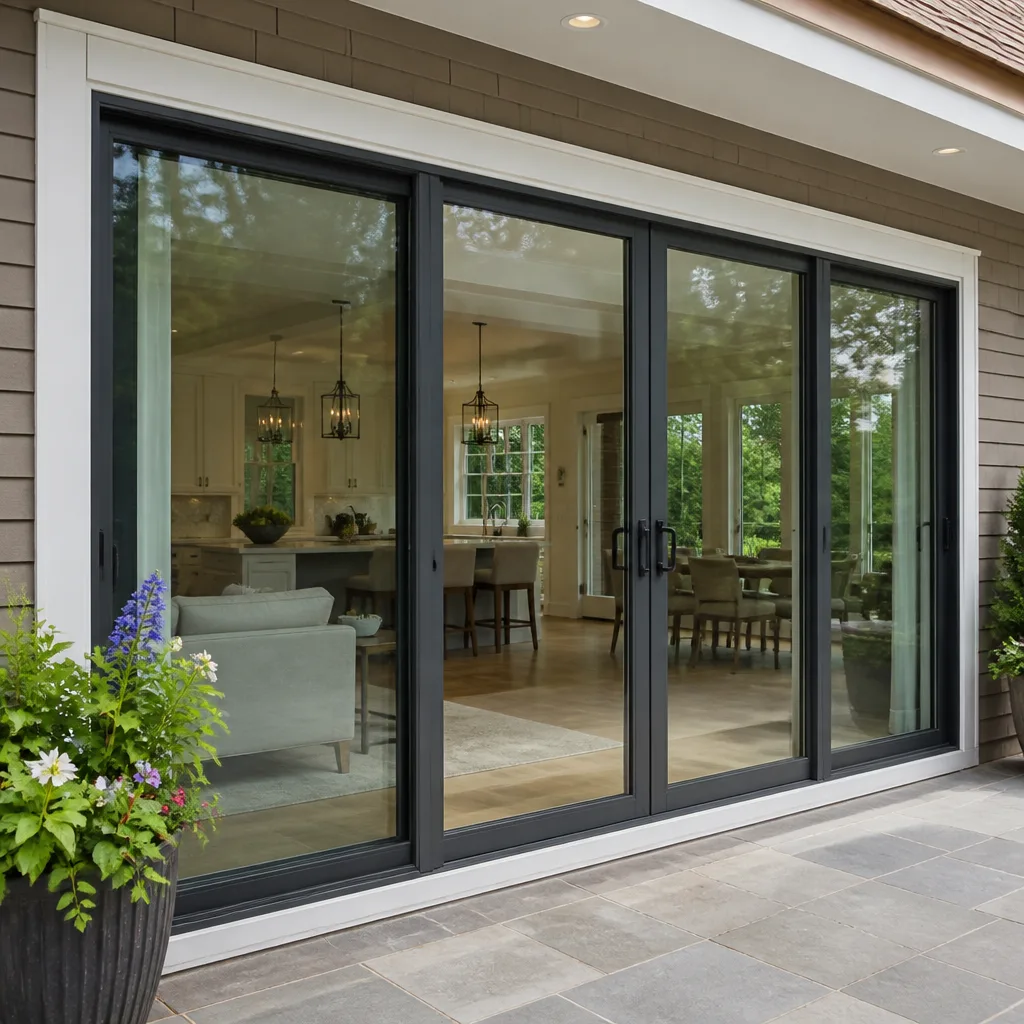
- Any sliding glass door or patio door replacement (the tracking has to be dead-level)
- Any work on a window or door that is part of your primary windstorm protection system
- Any repair involving the structural frame, anchors, or exterior weather barrier
The line is clear: if your work touches the seal between inside and outside, it’s not DIY. If it’s decorative, go ahead. That’s the same line we’d tell a family member, and we’ve told plenty in Fort Lauderdale over the years.
How to Choose a Fort Lauderdale Window and Door Contractor (Even If You Don’t Choose Us)
If you’ve decided the professional route is right for your project, the next question is who to hire. Fort Lauderdale has no shortage of window and door contractors, but not all of them are equal, and the wrong choice can leave you in worse shape than a failed DIY. Here’s what to look for, in order of importance.
1. Verify the License
Florida requires a licensed contractor for structural window and door work. Ask for the license number and verify it on the Florida Department of Business and Professional Regulation website. No license, no deal. A published address is also a good sign: a contractor who lists a real office in Fort Lauderdale, not a P.O. box, is accountable to a place, not a phone number. Winslow Windows & Doors publishes both, and Ed Winslow’s name is on the door.
2. Check the Brand Authorization
Impact window manufacturers like PGT and CGI maintain authorized installer programs. Authorized installers have factory training and access to current NOA data. If your contractor is not authorized for the brand they’re proposing, they may be buying gray-market product or installing configurations that aren’t NOA-listed. We’re authorized for eight brands, including PGT, CGI, Mr-Glass, and Therma-Tru, and we verify NOA before we order. That’s table stakes, not a selling point.
3. Read the Warranty Language
A product warranty covers the window if the window fails. A workmanship warranty covers the install if the install fails. Ask what happens if the window leaks or the seal fails in year two. If the answer is “the manufacturer handles that,” keep shopping. A real contractor stands behind the work, not just the product. Our answer is the same as it’s been since 2011: if it’s not done right, we make it right, period. That’s the 36500-Day Done Right Promise, and it means a century.
4. Get the Estimate in Writing, With Numbers
Vague estimates are a red flag. You want a line-item quote: product, permit, labor, disposal, and any change-order conditions. Upfront pricing, no surprises on the invoice. If a contractor won’t put the numbers on paper before you sign, walk away. A free estimate should be exactly that: free, detailed, and binding.
5. Ask About the Permit
Any legitimate Fort Lauderdale window and door contractor pulls the permit and schedules the inspections. If a contractor suggests skipping the permit to “save you money,” end the conversation. An unpermitted impact window is a liability that travels with you, and a contractor who’s willing to skip permits is willing to skip the stuff you can’t see.
The same standards apply whether you hire us or someone else. Ed Winslow would rather you hire a competitor who does it right than sit silent while you hire someone who does it wrong. This is our city too. The one down the road.
Common Mistakes to Avoid
- Buying product before verifying the NOA. A window that looks impact-rated but isn’t listed for your exact configuration will fail inspection no matter how well you install it. Fort Lauderdale inspectors check the label against the database, and they don’t take “I bought it from a reputable store” as an answer.
- Caulking the weep holes. The most common DIY error we see in Fort Lauderdale, and the most damaging. Weep holes drain water that gets past the exterior seal. Seal them closed and the water stays inside your wall.
- Treating an impact window as a regular window. It’s not. An impact window is a structural component of your storm protection system. The anchor schedule, the flashing sequence, and the NOA all have to be right or the window doesn’t do its job.
- Pulling a permit without understanding the scope. When you sign as owner-builder, you’re assuming legal responsibility for the entire project. The inspector doesn’t give DIY a pass, and a failed inspection lands on your record, not a contractor’s.
- Ignoring insurance underwriting requirements. Many Florida carriers now require proof of licensed installation for impact window discounts and, in some cases, for policy issuance. A DIY install may not satisfy your carrier’s documentation requirements even if it passes inspection.
- Comparing only sticker prices. The product price you see online doesn’t include permit fees, inspection fees, re-work costs, or the value of a workmanship warranty. The true cost of a window is installed cost plus risk exposure, not retail price.
- Forgetting the resale disclosure. Florida law requires you to disclose known defects at resale. A failed or unpermitted impact window installation becomes a negotiation point that can cost tens of thousands at closing.
When to Call a Professional
Call a professional for any work that touches the structural opening: impact window and door replacement, sliding glass doors, patio doors, and any repair involving the anchors, frame, or exterior weather barrier. Also call if you’ve started a DIY install and hit a code problem you can’t resolve, if your insurance carrier requires licensed installation documentation, or if you’re preparing to sell and need a permitted, inspected, warranty-backed record. Winslow Windows & Doors offers free estimates in Fort Lauderdale - call (904) 913-5886 and talk to a real person, any hour, any day. We’ll come out, look at your openings, and give you a written line-item quote with no pressure and no change orders.
Frequently Asked Questions
Yes, Florida law allows a homeowner to act as their own contractor and pull a permit for window and door work on their primary residence, provided the home is not for sale or lease within one year of completion. But the owner-builder permit requires you to comply fully with the Florida Building Code and Miami-Dade HVHZ provisions, and the inspector evaluates your work exactly as he would a licensed contractor’s. Call (904) 913-5886 for a free estimate and we’ll show you exactly what your openings require.
A typical impact window installation in Fort Lauderdale runs $900 to $1,800 per opening installed, depending on size, product, and condition of the existing rough opening. Our quotes include product, permit, installation, and disposal, with no change orders. Call (904) 913-5886 and we’ll give you a written line-item quote for your exact windows, free.
In almost every case, yes. PGT, CGI, and Therma-Tru all require licensed professional installation for their full warranty coverage on impact-rated products. A self-installed window that develops a seal failure or frame defect will typically be denied warranty coverage because the installation can’t be verified. When we install, you get the full product warranty plus the 36500-Day Done Right Promise from Winslow Windows & Doors.
Yes, sliding glass door replacement requires a permit in Fort Lauderdale because the opening is structural and, in the HVHZ, the door must meet impact and design pressure requirements. The permit process includes a final inspection verifying the NOA, anchoring, and flashing. We handle permits and inspections as part of every sliding door job; no extra work for you.
A failed inspection means the work does not comply with code, and the city can require correction or full removal and reinstall. Re-inspection fees apply, and a failed inspection record travels with the property, affecting insurance underwriting and resale value. If you’ve found yourself in this spot in Fort Lauderdale, call us at (904) 913-5886 - we correct failed DIY installs regularly, and we’ll tell you straight what it’ll take to fix it.
Most standard window replacements take one day per opening, with full-home replacements of 10 to 15 windows typically completed in 3 to 5 working days, including permit inspection. Larger or custom work may take longer, and we’ll give you a written timeline with your quote. Call (904) 913-5886 for a free estimate and we’ll map out the schedule for your specific job.
The Bottom Line
The decision between DIY and professional window and door installation in Fort Lauderdale comes down to one word: exposure. A DIY install exposes you to inspection failure, warranty voiding, insurance complications, and resale liability. A professional install transfers that exposure to a licensed contractor whose name is on the work. The only tasks safe for a Fort Lauderdale homeowner to tackle are cosmetic: weatherstripping, interior trim, caulking interior gaps, hardware swaps, and screen repairs. For everything structural, impact-rated, or part of your storm protection system, call window installation professionals in Fort Lauderdale who stand behind the work. Window replacement in Fort Lauderdale done right is an investment that protects your home, your insurance, and your resale value. At Winslow Windows & Doors home, we’ve been doing it that way since 2011, and we’ll be here to answer the phone when you call.
Written by Ed Winslow, Owner at Winslow Windows & Doors, serving Fort Lauderdale since 2011.
Six Reasons Homeowners Choose Winslow Windows & Doors
Impact systems engineered to design pressures up to +/-100, matched to your wind zone - your openings hold when the storm arrives.
Low-E insulated impact glass from our manufacturer lines commonly cuts monthly cooling bills 20-30%.
Laminated impact glass shuts out up to 40% of outside noise - traffic, neighbors, weather.
Monitoring services run $30-90 a month. Laminated impact glass resists forced entry around the clock, with no subscription.
Florida homeowners average around 25% savings on the windstorm portion of their policy after protecting every opening - some homes qualify for more.
A full impact package upgrades curb appeal, buyer confidence and appraised value in one project.