
Last updated August 27, 2026
Free in-home measure and quote - PGT, CGI and CWS impact lines compared on your actual openings, style by style
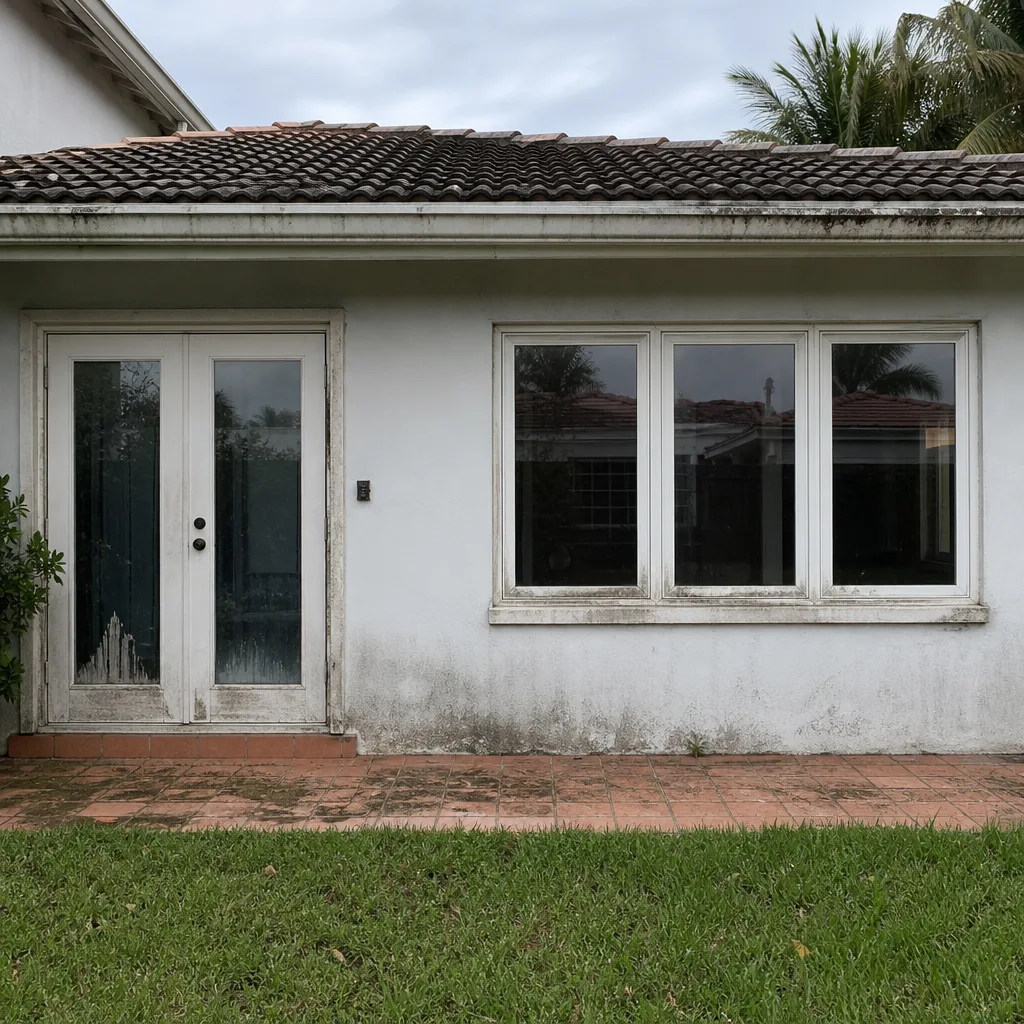 Before
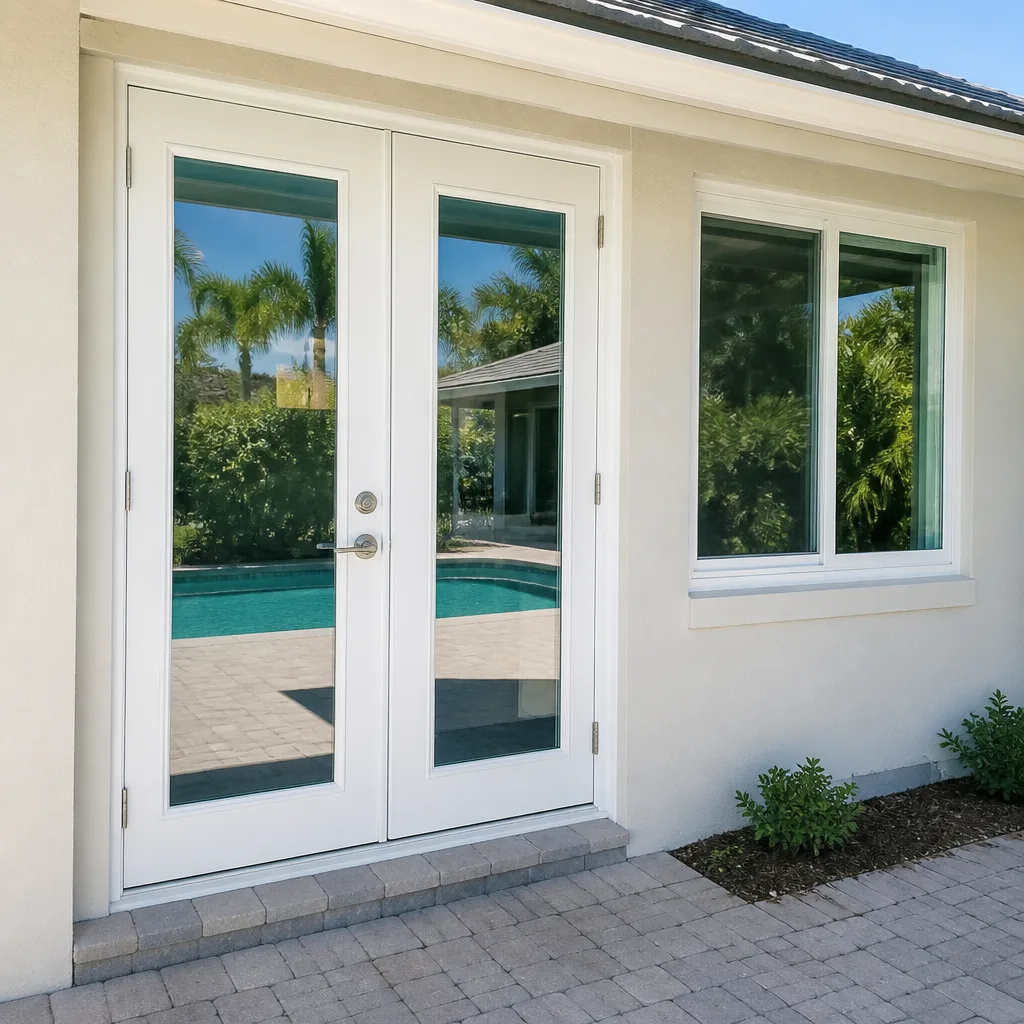 After
After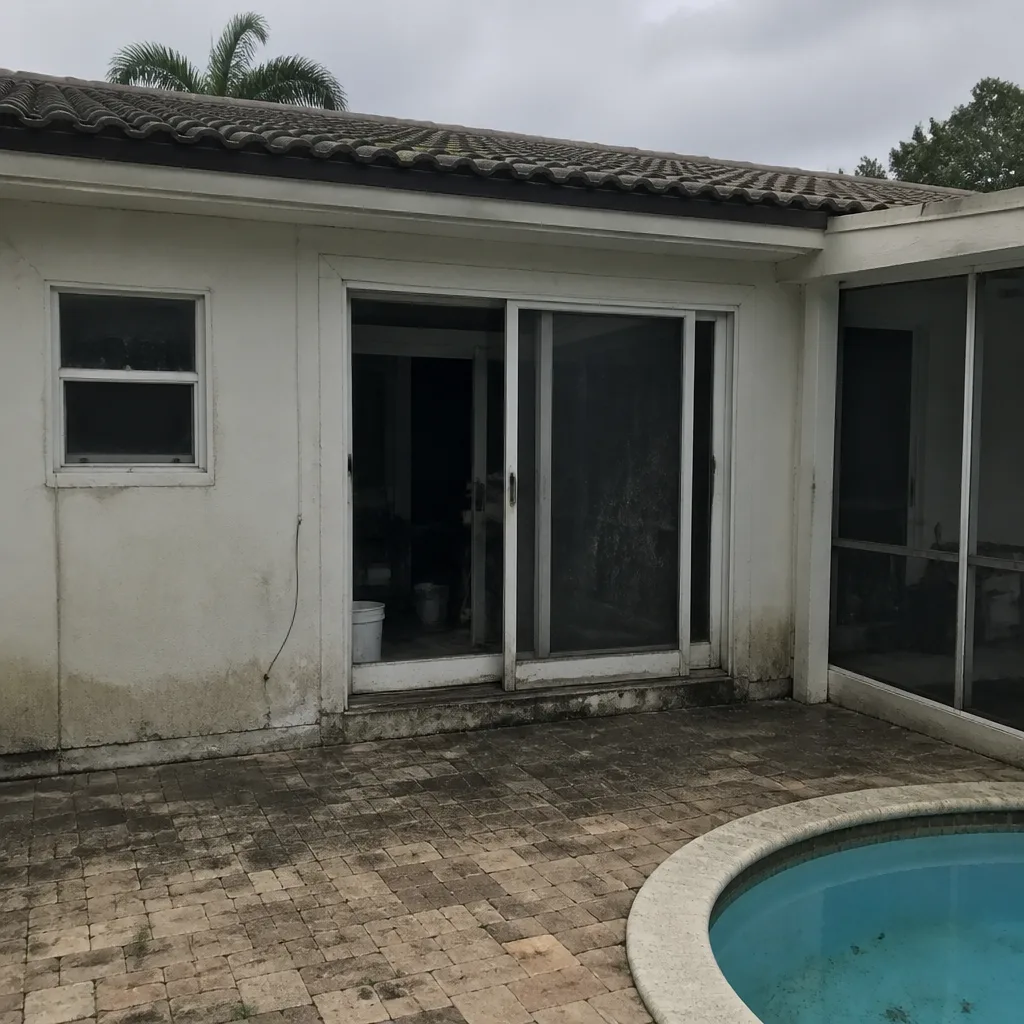 Before
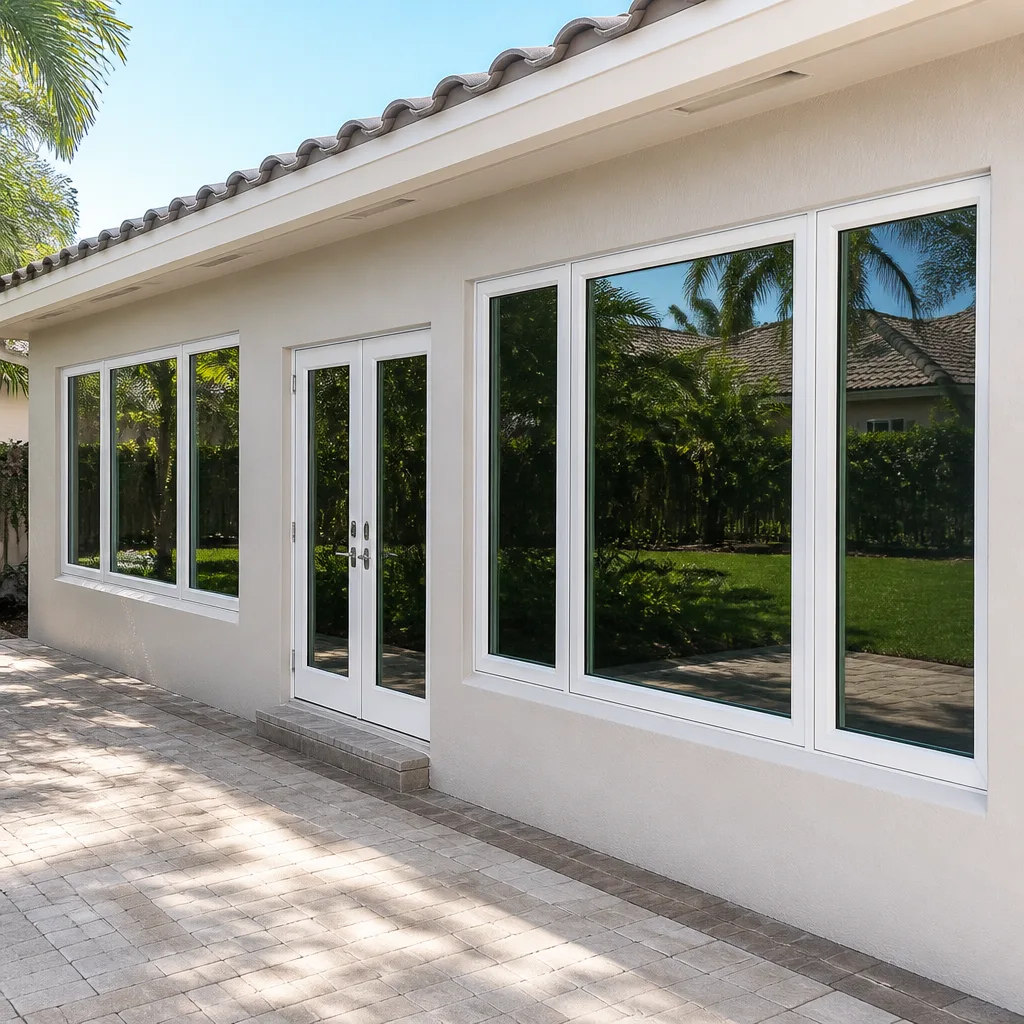 After
AfterSeasonal Windows & Doors Care for Fort Lauderdale: Year-Round Homeowner’s Guide
Most homeowners in Fort Lauderdale assume “mild winters” means they can skip seasonal maintenance. That assumption is exactly what turns a $40 weatherstrip replacement into a $4,000 door replacement. Our climate doesn’t follow the four-season rulebook the rest of the country uses. We get hurricane season, dry season, and the shoulder months in between, and each one attacks your windows and doors differently. This guide walks you through what to check, when to check it, and how to catch small problems in Fort Lauderdale before they become storm-season emergencies. For Windows & Doors Warning Signs: A Fort Lauderdale Homeowner’s Reference Guide, see our dedicated resource.
Quick Answer
Seasonal windows and doors care in Fort Lauderdale means three things: a pre-hurricane season inspection every April and May, monthly salt-and-moisture cleaning during the humid summer, and a dry-season sealing and lubrication pass in November and December. The most important window for heavy maintenance is late fall, when humidity drops and contractors have availability. A homeowner spending about four hours per year on these tasks will catch nearly every major window and door failure before it happens.
Table of Contents
- Hurricane Season Preparation: The April-May Checklist
- The Dry Season Wrinkle: Why Low Humidity Warps Doors in Fort Lauderdale
- Salt Air and Coastal Corrosion: What Inland Homeowners Miss
- Post-Storm Assessment: Finding Damage You Can’t See
- The Late-November Maintenance Window: Why It’s the Best Time to Act
- Month-by-Month Care Schedule for Fort Lauderdale Homes
- Common Mistakes to Avoid
- When to Call a Professional
- Frequently Asked Questions
Hurricane Season Preparation: The April-May Checklist
Hurricane season officially starts June 1, and every year we see a rush of Fort Lauderdale homeowners trying to schedule repairs the week before a named storm. Don’t be one of them. The smart move is a two-hour inspection in late April or early May, before the first tropical wave forms. Here’s the checklist we walk our own customers through, and what we look for on every job.
First, understand what you’re checking. Impact windows and reinforced doors are engineered systems. Each component depends on the others. A window with intact glass but failed weatherstripping won’t keep wind-driven rain out. A door with a solid impact rating but corroded hinges won’t hold under negative pressure. The inspection isn’t about any single part. It’s about the whole assembly.
- Check the glazing beads. These are the strips that hold the glass in the frame. On impact windows, the beads take repeated pressure loads over years of storms. Look for cracks, chips, or any bead that has pulled away from the glass even a quarter inch. If a bead is loose, the window will flex and fail under load.
- Inspect the weatherstripping on every operable window and door. Close the window or door on a dollar bill. If you can pull the bill out without resistance, the seal is done. Failed weatherstripping means water intrusion, which leads to frame rot and mold behind the wall, not just a damp windowsill.
- Test the interlocks. On impact-rated windows and doors, the interlock is the point where the panels meet and lock together. Run your finger along the interlock seam. It should sit flush and tight. If it’s bowed or separated, wind pressure will find it.
- Lubricate the tracks and rollers. Sliding glass doors and horizontal sliders collect sand and salt grit in the tracks. Clean the tracks with a dry brush first, then apply a silicone-based lubricant. Do not use WD-40 or oil-based products. They attract grit and gum up in the heat.
- Check all fasteners on hinges and strike plates. On swinging doors, the hinge screws work loose over time, especially the top hinge. Tighten any screw that turns freely. If a screw spins without grabbing, the hole has stripped and the door is dropping. That’s a repair call, not a DIY fix. A dropped door will not seal or lock correctly, and a door that won’t lock properly is a security issue on top of a storm risk.
- Verify the drainage weep holes are clear. Every window frame has small weep holes at the bottom that let accumulated water drain out. In Fort Lauderdale these clog with windblown debris, lizard droppings, and general grime. If the weep holes are blocked, water pools inside the frame and rots it from the inside out. A bent paperclip works to clear them.
- Do a lock test on every window. Lock and unlock each one three times. Stiff or grinding locks indicate the hardware needs cleaning and lubrication, or replacement. But also check the alignment. If you have to push or pull the sash to get the lock to engage, the window has settled out of square. That’s a structural issue worth a professional look before a storm puts pressure on it.
The whole checklist takes about two hours on an average three-bedroom home. Put it on the calendar for the same weekend every year. In our experience, homes that do this annually have dramatically fewer storm related failures than homes that wait for the weather report.
The Dry Season Wrinkle: Why Low Humidity Warps Doors in Fort Lauderdale
Here’s the counterintuitive part most guides miss. Homeowners think high humidity is the enemy of wood doors. It’s not, at least not by itself. The real damage in Fort Lauderdale happens during the dry season, when relative humidity drops from the 80s and 90s to the 40s and 50s for weeks at a time between November and February.
Wood is hygroscopic. It absorbs moisture from humid air and releases it when the air dries. During a typical South Florida summer, a wood door absorbs enough moisture that its fibers swell. The door gets slightly larger. Then the dry season arrives, the door gives that moisture back, and the fibers shrink. Repeat that cycle 10 or 15 times over a decade and the wood develops micro cracks, the panel joints loosen, and the dimensions of the door change permanently. A wood door that fit beautifully in August can bind against the frame in January, or it can develop a visible gap at the top or bottom.
This is exactly why Therma-Tru doors do so well in South Florida. Their fiberglass construction doesn’t absorb or release moisture, so they hold their dimensions year round. Wood doors are beautiful, and we install plenty of them. But in Fort Lauderdale, they demand an annual sealing pass that fiberglass doors don’t.
If you have wood exterior doors, here’s the dry season routine:
- Inspect the finish in November. Look for hairline cracks in the paint or varnish, especially on the bottom rail and the hinge edge. These cracks let moisture into the wood core. Early November is the time to touch up, before the driest weeks of December and January.
- Check the reveal gap. The reveal is the space between the door slab and the frame. It should be uniform, about an eighth of an inch, all the way around. If it’s wider at the top than the bottom, or tight on the latch side, the door has moved. A shifted door needs hinge adjustment or replacement, not just a threshold sweep.
- Test the threshold seal. The rubber or vinyl sweep under the door is the first thing to fail in a dry season. As the door shrinks, the gap between the slab and the threshold grows. If you can see daylight under your front door in December, the seal is gone. This is a simple, inexpensive repair that dramatically affects your cooling bill.
- Seal the bottom edge. Most door manufacturers require the bottom edge of a wood door to be sealed before installation, and many people skip it. If the bottom edge is unsealed, it wicks moisture from thresholds during wet season and dries out aggressively during the dry months. Pull the door off its hinges one afternoon and check. This is a maintenance step most Fort Lauderdale homeowners have never done, and it matters more than anything else for wood door longevity.
Fiberglass and steel doors still need the threshold sweep and weatherstripping check, but they don’t warp. If you’re replacing a wood door in a Fort Lauderdale home and you don’t want the maintenance, fiberglass is the practical answer. If you have a wood door and you love it, the annual sealing pass is non-negotiable.
Salt Air and Coastal Corrosion: What Inland Homeowners Miss
Salt air in Fort Lauderdale is not just a beachfront problem. The prevailing southeast breeze carries salt spray miles inland, especially in neighborhoods east of US-1, but also through the fingers of the New River, the Middle River, and the Intracoastal. Homes in Rio Vista, Coral Ridge, Victoria Park, and Las Olas Isles get the heaviest exposure. Homes west of I-95 get far less. Most cleaning schedules don’t account for this difference, and that’s a mistake.
Salt and aluminum don’t mix. Neither do salt and unprotected steel. Over time, airborne salt builds up on window frames, door hardware, track rollers, and hinges. It attracts moisture, which creates a corrosive film that pits metal surfaces and stalls moving parts. A window that was perfectly smooth to operate when installed can become stiff and crunchy within three or four years if it’s not cleaned regularly on a coastal property.
Here’s how cleaning frequency should differ by location in Fort Lauderdale:
- East of US-1, within a mile of the Intracoastal: Clean window frames, tracks, and door hardware monthly during the humid season and every other month during the dry season. Use a damp microfiber cloth with a mild soap solution, then dry immediately. For tracks, a soft brush and a vacuum first, then the damp cloth.
- Between US-1 and I-95, or within a quarter mile of a canal or river: Clean quarterly. The salt is still present, but the density is lower. Rinse the frames with a hose if the windows are reachable from the ground, then wipe down.
- West of I-95, away from the waterways: Clean every six months. Salt is not your primary issue, but dust, pollen, and general grime are. The dry season is the biggest window for buildup, so a November cleaning makes sense.
For hardware specifically, the rule is simple. If it moves, inspect it monthly. That means door hinges, lock mechanisms, window cranks, and sliding door rollers. A light silicone spray on the hinge pins and lock cylinders twice a year keeps everything operating smoothly, and it’s especially important on coastal properties where salt crust forms quickly. We’ve seen locks on Victoria Park homes that were completely frozen after three years with zero maintenance, purely from salt accumulation. The lock wasn’t broken. It was dirty. The fix was cleaning, not replacement, but it still cost a service call that could have been avoided with 10 minutes of care every six months.
Post-Storm Assessment: Finding Damage You Can’t See
After a Fort Lauderdale storm, most homeowners do the obvious check. Is the glass cracked? Is there water on the floor? Good. That covers about a third of the actual damage. The other two thirds is invisible without a close look, and it’s the kind of damage that compromises your protection before the next storm arrives.
Impact windows can fail structurally without any visible glass damage. The impact rating comes from the laminate layer between the panes, and that layer can separate from the frame or develop internal stress fractures without the outer glass breaking. A window that took a direct hit from debris and didn’t shatter might still have compromised its structural integrity. Here’s the post-storm checklist, in order:
- Look for frame deflection. Stand back from each window and sight along the frame. If the frame bows outward, even slightly, that’s a sign the window absorbed a load it wasn’t designed to take repeatedly. A bowed frame will not protect you in the next storm.
- Check the glass for stress marks at the edges. These look like small silvery or white spots near the frame, like the window is delaminating. They’re most visible in direct sunlight. Stress marks indicate the impact laminate has separated from the glass, which means the impact rating is compromised.
- Inspect the caulking around the exterior perimeter. Storm winds stress window frames, and old caulk cracks or pulls away. A failed caulk bead is the entry point for the next rain event. You won’t see the leak until water stains appear on the interior drywall, and by then the damage is done.
- Test every door for square. After a major wind event, reinforced doors can shift in their frames if the strike plates or hinges took lateral pressure. Open and close each exterior door. If it sticks, drags, or doesn’t shut with the same feel as before, something moved. That’s a hinge or strike plate adjustment, or it could indicate the door slab itself bowed.
- Check for moisture around the door threshold from the inside. Slide a thin piece of cardboard or paper under the interior side of the threshold after a heavy rain. If it comes out damp, the threshold seal or the pan flashing underneath has failed. Water running under a door will rot the subfloor and the door frame, and it’s a repair that doubles in cost every year it’s ignored.
If any of these checks turns up something questionable, get a professional opinion before the next storm season. The damage from Impact windows and doors that fail during a storm is catastrophic compared to the cost of catching a small issue in February.
The Late-November Maintenance Window: Why It’s the Best Time to Act
There’s a sweet spot in the Fort Lauderdale calendar that almost nobody takes advantage of. It starts the week after Thanksgiving and runs through the second week of December. Here’s what makes it special: hurricane season officially ends November 30, the snowbirds haven’t fully arrived yet, and the contractor scheduling crunch hasn’t started. For about three weeks, window and door companies actually have availability.
The rest of the year, the Fort Lauderdale market runs hot. Spring is the pre-hurricane rush. Summer is emergency repair season. October and November are storm cleanup. January and February are when the seasonal residents realize their winter home needs work and start calling. But late November is quiet, and that quiet means shorter lead times, faster estimates, and often better pricing because the crew schedules are open.
This is the time to schedule the work you identified during your April and May hurricane prep, but didn’t get around to. If your weatherstripping is tired, your sliding door rollers have been grinding, or a few window locks are stiff, late November is when those repairs get done in days, not weeks. It’s also the right time for bigger projects like window replacement or door replacement, because the lead time on PGT and CGI products drops significantly once the storm season ends.
We write this because it’s the advice we’d give a friend. If you know you need work done, don’t wait until March. By then the lead times stretch, the pricing climbs, and you’re scheduled around a dozen other homeowners who all decided the same week that hurricane season is coming. The off-season window is short, but it’s the single best time of year to get fast, attentive service in Fort Lauderdale.
If you’re thinking about window replacement in Fort Lauderdale or any other substantial upgrade, the November window is your lowest-stress opportunity. We’ve been doing this since 2011, and our November customers almost always report a better experience than our August customers simply because the whole market is calmer.
Month-by-Month Care Schedule for Fort Lauderdale Homes
Here’s the full year, condensed into a calendar. Four hours a year, spread across these months, is all it takes for most homes. Copy this and put it on the garage wall.
- January: Dry season is in full swing. Check wood doors for shrinkage gaps and touch up the finish. Test all locks. This is a good month for interior window cleaning, since the low humidity means no condensation streaks.
- February: Inspect weatherstripping on all doors and windows. The dry air is at its peak, and failed seals are more obvious now than any other time of year. Order any replacement parts you need.
- March: Service sliding door tracks. Clean out the accumulated winter grit, inspect the rollers, and lubricate with silicone. Check that the weep holes are still clear as spring pollen starts to build up.
- April: Full pre-hurricane inspection. This is the big one. Complete the April-May checklist from the first section of this guide. Schedule any professional repairs you find.
- May: Finalize the storm prep. Install or verify your shutter system if you have one. Confirm every impact window lock operates easily. Trim any tree branches that could strike a window in high winds.
- June: Hurricane season starts. Switch to high-frequency observation. After any storm, even a mild one, do a quick walk around the house to check for frame damage, loose caulk, or shifted doors.
- July: Peak humidity and heat. Clean coastal properties monthly this time of year. Inspect for moisture buildup around door thresholds after heavy afternoon rains. Check that AC condensation lines aren’t dripping onto window sills.
- August: Storm season peaks. Keep up with the monthly cleaning. Watch for any water staining on interior walls around windows after heavy rain events. This is when frame leaks show themselves.
- September: Same as August, but add a check of the caulk around the exterior window perimeters. The summer sun and salt have done their worst by now. Re-caulk any cracked beads before the fall rains.
- October: Hurricane season is still active. Maintain the post-storm assessment routine. If a storm passes through, go through the five step post-storm checklist in the section above, even if nothing looks damaged.
- November: The maintenance window. Schedule any repair or replacement work you’ve been putting off. Clean the windows one more time. Apply a final coat of sealant to wood doors before the driest weeks.
- December: Hurricane season ends November 30. Celebrate by doing a full year-end review of your windows and doors. What did you notice this year that never got addressed? Write it down and schedule it for January.
Common Mistakes to Avoid
- Washing windows with Windex and calling it maintenance. Glass cleaner does nothing for weatherstripping, tracks, locks, or hinges. The people who clean their windows monthly but never lubricate a track are the same people who replace windows early. Cleaning the glass is cosmetic. The maintenance is in the frame.
- Waiting until a storm watch to inspect impact windows. A storm watch gives you 48 hours of notice. Contractors in Fort Lauderdale are booked solid for weeks before a named storm. If you find a problem during a watch, you’re not getting it fixed before the storm. That’s why the April-May inspection exists.
- Using WD-40 on window tracks and door hinges. WD-40 is a solvent, not a lubricant. It breaks down old grease and then evaporates, leaving the surface dry. Silicone spray or a dry PTFE lubricant is the right product for window tracks and door hardware in a coastal climate.
- Ignoring the dry season because “it’s not hurricane season.” More wood doors in Fort Lauderdale fail from dry season shrinkage cycles than from hurricane damage. The dry months are when the warping happens. If you have wood doors, the November inspection is not optional.
- Assuming impact windows never need maintenance. Impact windows are designed to survive storms, not to be ignored. The weatherstripping, tracks, locks, and weep holes still need attention. A neglected impact window is an impact window that won’t do its job.
- Cleaning with bleach or harsh chemicals. Bleach degrades rubber weatherstripping and vinyl frame finishes. Use mild dish soap and water. If you need something stronger for mold or mildew on the exterior, a 50/50 water and vinegar solution works, but rinse thoroughly.
- Skipping the bottom edge seal on wood doors. The bottom edge is the only part of the door that touches water directly. If it’s unsealed, the door is soaking up moisture from the threshold every time it rains and drying out aggressively every winter. This is the number one cause of premature wood door failure in Broward County.
When to Call a Professional
Some tasks are DIY. Some are not. Call a professional when you see frame deflection, stress marks on impact glass, a door that has shifted out of square, or water staining around a window or door that you can’t trace to an obvious source. If a sliding glass door is grinding or sticking, forcing it will only make the track damage worse. And if a wood door has visible cracks in the slab itself, not just the finish, the door needs to be replaced, not sealed. Winslow Windows & Doors offers free estimates in Fort Lauderdale and has been installing and repairing impact windows in Fort Lauderdale since 2011. Call (904) 913-5886 and a real person will answer, any time.
Frequently Asked Questions
DIY seasonal maintenance costs under $50 per year for silicone lubricant, mild soap, and replacement weatherstripping. Professional inspections are typically free, and most minor repairs like weatherstripping replacement or lock adjustment run $85 to $200. Call (904) 913-5886 for an exact quote on your specific needs. Estimates are free, and we offer $40 off any repair over $200.
Clean the glass monthly, and clean the frames and tracks quarterly on inland properties or monthly on coastal properties east of US-1. The cleaning solvent matters less than the frequency. Salt accumulation is the primary enemy, and it builds up faster than most homeowners expect.
No, insurance covers storm damage, not routine maintenance. However, documented annual maintenance can strengthen a damage claim. Photograph your April and May inspection, keep receipts for any professional service, and note the dates. It shows the damage was storm related, not neglect.
The maintenance requirements are the same. Impact windows have more robust frames and sealed laminate glass, but the weatherstripping, tracks, locks, and weep holes are comparable to high quality non-impact windows. Follow the same schedule. The cleaning products and lubricants work the same.
Quality impact windows from manufacturers like PGT and CGI typically last 20 to 30 years in South Florida with proper maintenance. Wood exterior doors last 10 to 15 years. Fiberglass doors from Therma-Tru often outlast the house. The UV exposure and salt air in Fort Lauderdale shorten the lifespan of neglected windows and doors by five to ten years compared to the national average.
Yes, exterior window caulking is a manageable DIY project if the windows are reachable from the ground or a stable ladder. Use a high quality exterior silicone or polyurethane sealant rated for UV exposure. Remove the old caulk completely, clean the surface, and apply a consistent bead. If the windows are on a second story or the existing caulk is heavily degraded, a professional window installation in Fort Lauderdale is safer and will produce a cleaner result.
The Bottom Line
Fort Lauderdale homes face three separate seasonal stress cycles: the humid summers, the drying winters, and the violent storms in between. A homeowner who spends four hours a year on the schedule in this guide will catch nearly every major window and door failure before it happens. The critical windows are April and May for storm prep, November for dry season sealing and off-season repairs, and monthly for coastal salt cleaning. Skip the maintenance and you’ll pay for it eventually, either in a storm opening up your house or in a replacement that could have been a repair. Ed’s name is on the door, and his team has been doing this work in Fort Lauderdale since 2011. Explore more guides & resources on our blog. Call (904) 913-5886 for a free estimate, any time. A live person answers.
Written by Ed Winslow, Owner at Winslow Windows & Doors, serving Fort Lauderdale since 2011.
Six Reasons Homeowners Choose Winslow Windows & Doors
Impact systems engineered to design pressures up to +/-100, matched to your wind zone - your openings hold when the storm arrives.
Low-E insulated impact glass from our manufacturer lines commonly cuts monthly cooling bills 20-30%.
Laminated impact glass shuts out up to 40% of outside noise - traffic, neighbors, weather.
Monitoring services run $30-90 a month. Laminated impact glass resists forced entry around the clock, with no subscription.
Florida homeowners average around 25% savings on the windstorm portion of their policy after protecting every opening - some homes qualify for more.
A full impact package upgrades curb appeal, buyer confidence and appraised value in one project.