
Last updated August 27, 2026
Free in-home measure and quote - PGT, CGI and CWS impact lines compared on your actual openings, style by style
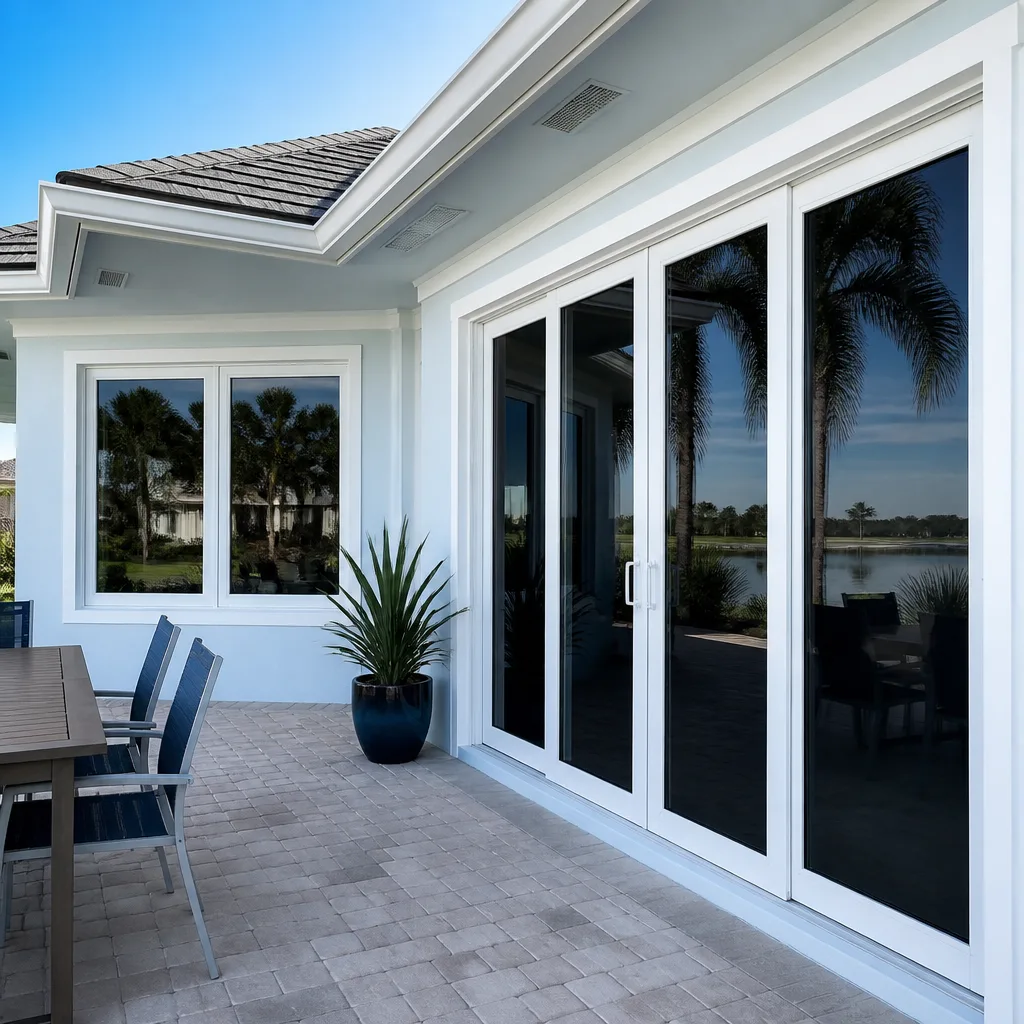
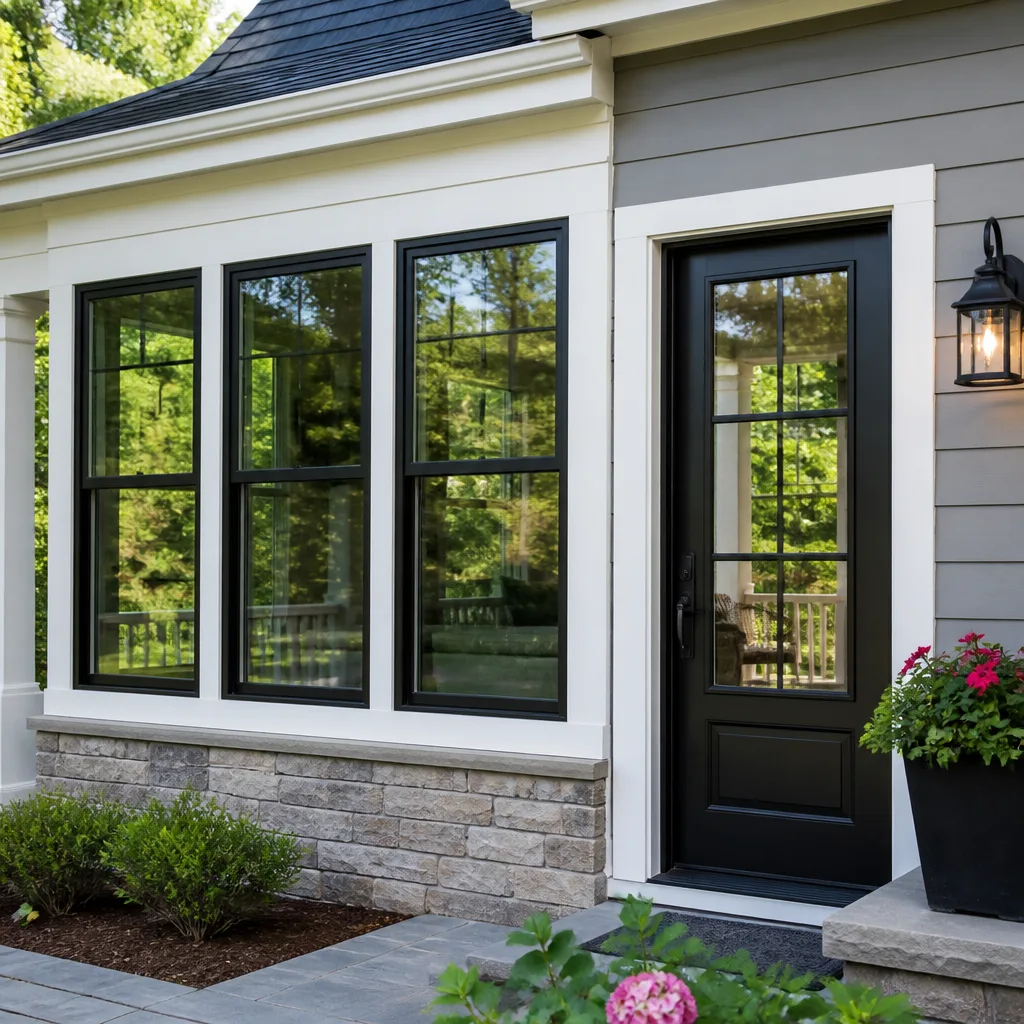
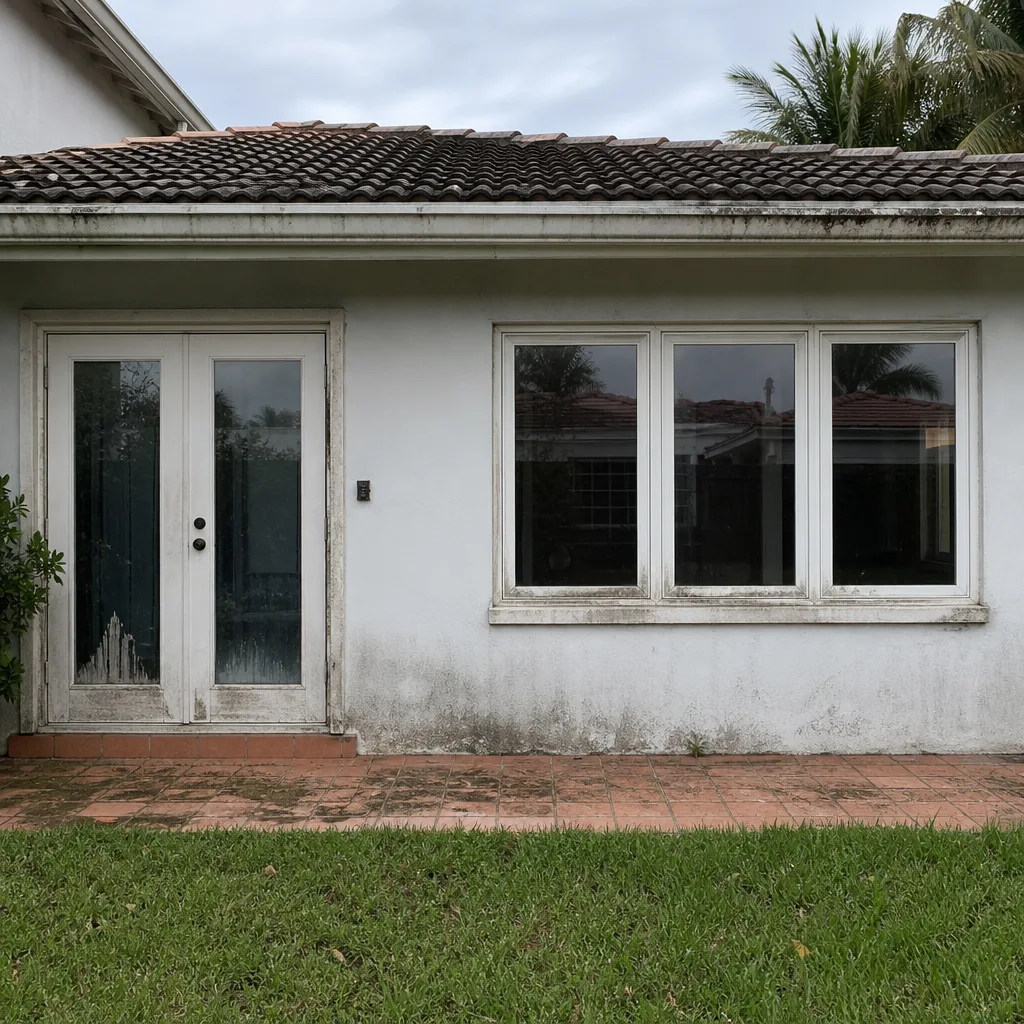 Before
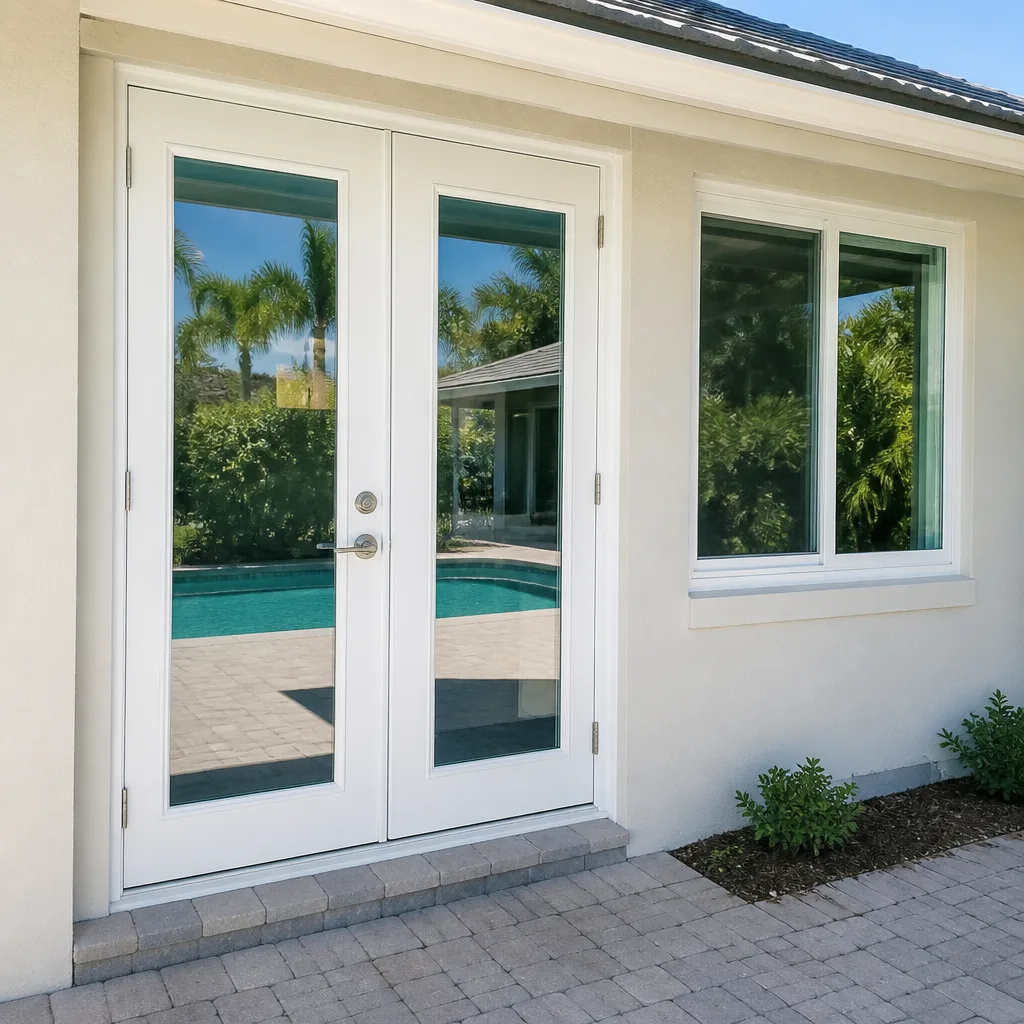 After
After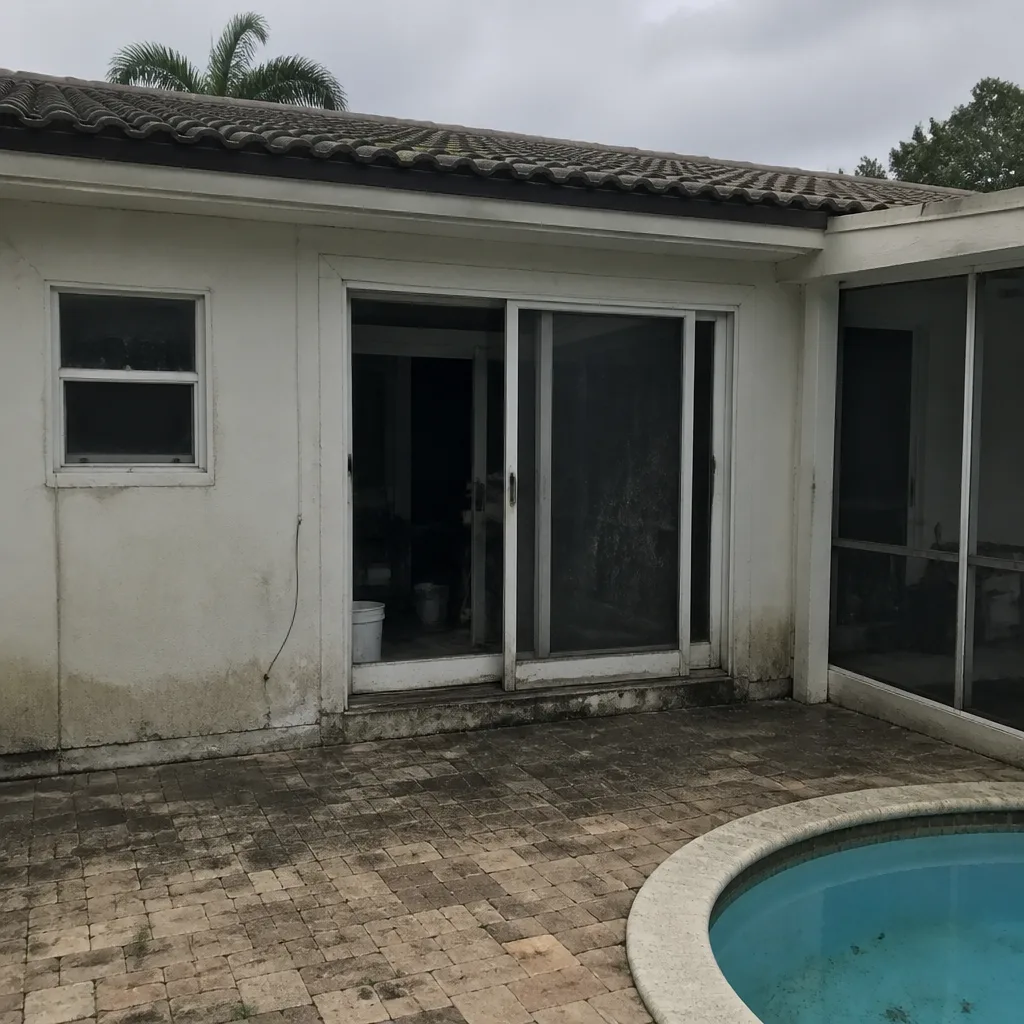 Before
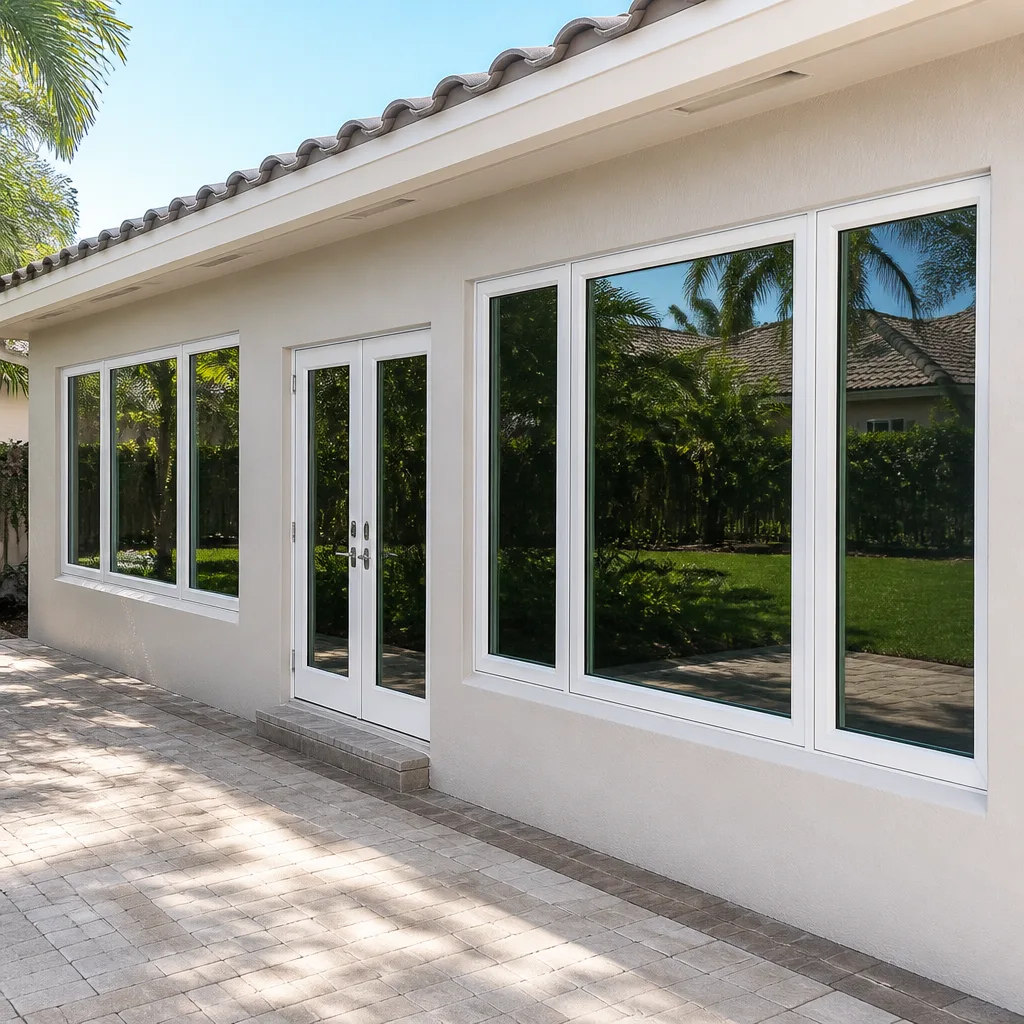 After
AfterImpact Windows Maintenance Checklist for Fort Lauderdale Homeowners
A hairline gap in the glazing compound around an impact window won’t stop a burglar, but it can quietly invalidate your hurricane coverage before a storm ever forms. That’s the part nobody tells you when the installer shakes your hand and drives away. Our Impact Windows services are sold as the last word in storm protection for Fort Lauderdale homes, yet they carry a maintenance reality most homeowners never learn until a claim gets denied. This checklist treats your impact windows as what they actually are: life-safety equipment that needs periodic, specific attention. Here’s what salt air, UV exposure, and tropical humidity actually do to laminated glass, frames, hardware, and seals over time, and how to catch small failures before they become expensive ones.
Quick Answer
Impact window maintenance in Fort Lauderdale means inspecting weep holes, glazing compound, hardware, and seals every 90 days, cleaning glass only with approved non-ammonia, non-abrasive products, lubricating tracks and rollers twice yearly, and keeping a dated maintenance log plus photos for warranty protection. The salt-air environment accelerates corrosion and seal degradation faster than inland Florida, so the four critical checks are: weep hole drainage, frame and hardware corrosion, glazing bead integrity, and laminated glass haze or delamination. Most maintenance is DIY-friendly and takes under an hour per window per year; the things you should never do are use ammonia-based cleaners, pressure wash the frames, or paint over weep holes.
Table of Contents
- Why Impact Window Maintenance Matters More in Fort Lauderdale
- The Month-by-Month Maintenance Calendar
- The Four Salt-Air Failure Points
- How to Inspect Every Impact Window in Under 10 Minutes
- Cleaning Products That Damage Laminated Glass (and What to Use Instead)
- Warranty Documentation: What to Keep on File
- How to Test Whether Your Impact Window Still Meets Its Rated Performance
- Common Mistakes to Avoid
- When to Call a Professional
- Frequently Asked Questions
Why Impact Window Maintenance Matters More in Fort Lauderdale
Fort Lauderdale sits in a specific environmental crucible: Atlantic salt spray, 80-plus inches of annual rainfall, relentless UV, and storm seasons that test every seal and fastener on your home. Impact windows installed here face conditions that windows in Orlando or Tampa simply don’t. The salt alone is corrosive enough that the Florida Building Code requires specific finishes on exposed metal hardware within a few miles of the coast. We’ve replaced impact windows in Fort Lauderdale neighborhoods like Coral Ridge, Rio Vista, and Victoria Park that were only 8 or 10 years old, and the failure was almost never the glass. It was the frame drainage, the roller hardware, or the sealant bead – components the warranty covers only if you can show a maintenance history. Manufacturers like PGT and CGI are explicit in their warranty language: negligence voids coverage. Negligence includes clogged weep holes and failed sealant that allowed water to sit against the frame. A $15 tube of sealant and a quarterly inspection is the difference between a covered warranty repair and a $900 out-of-pocket sash replacement. Impact windows are an investment in the $12,000 to $40,000 range for a typical Fort Lauderdale home. Treat them like one.
Our Impact Windows in Fort Lauderdale guide explains the product options and what to expect on cost; this checklist is the part the glossy brochures skip. The maintenance reality is simple: four salt-air failure points, checked on a calendar tied to actual Fort Lauderdale weather patterns, documented with photos. That’s the whole system.
The Month-by-Month Maintenance Calendar
Generic advice says “inspect your windows twice a year.” That’s not enough in a salt-air climate, and the timing matters. For Seasonal Windows & Doors Care for Fort Lauderdale: Year-Round Homeowner’s Guide and more, see our resources. Fort Lauderdale’s real seasons are: dry season (November through April), wet season with daily thunderstorms (May through October), and peak hurricane window (August through October). Here is the schedule we recommend to every homeowner in Fort Lauderdale who wants a defensible warranty position and windows that still function like the day they were installed.
January (Post-Holiday, Dry Season Check)
This is your deep-clean month. Temperatures are mild, humidity is at its lowest, and you can safely spend a full Saturday on windows without heat stroke. Remove all screens, clean glass with approved products (detailed in the cleaning section below), inspect the full perimeter of every frame and sash for hairline cracks in the sealant bead, and document with photos. Check weep hole drainage by pouring a cup of water into the bottom track of each sliding window and watching it drain to the exterior within 30 seconds. If it pools, clear the weep holes with a pipe cleaner or compressed air. Test every lock and roller.
April (Pre-Rainy Season Prep)
April is the last reliably dry month before the daily thunderstorms begin. This is when you reapply a thin bead of marine-grade silicone sealant anywhere the existing bead shows shrinkage or separation. South Florida’s UV is intense enough that exterior sealant exposed to direct sun can degrade visibly within 18 months. Check the condition of the sealant around the frame-to-wall junction; if it’s chalky, cracked, or pulling away anywhere along the run, clean the area with denatured alcohol and recaulk. Lubricate all rollers, hinges, and locking mechanisms with a dry silicone spray, not WD-40. WD-40 leaves a residue that attracts sand and salt.
July (Mid-Wet Season Drainage Verification)
By July, Fort Lauderdale has been hammered by thunderstorms for two months. This is your weep hole and drainage month. Heavy rain exposes drainage failures within days; the pressure of wind-driven rain can push water past marginal seals. After a heavy storm, walk the interior of your home and check for moisture along the bottom interior of every window frame, particularly on east-facing windows. Check for water staining, warping, or bubbling paint on the wallboard below windows. Test weep holes again. Check the glazing bead for any separation. This mid-season check catches failures before peak hurricane season, when a repair takes days instead of weeks.
October (Post-Season Document and Repair)
Hurricane season officially ends November 30, but by late October the worst weather is usually behind us. This is your documentation month. Take a full photo series of every window, interior and exterior, with date stamps. Add any maintenance performed during the year to your warranty log. If you had any issues, schedule repairs now – contractors still have capacity, and you’ll have months before the next storm season. If you’re anywhere near the coast, check all exterior fasteners and hinges for red rust bloom. Surface rust on stainless steel hardware is cosmetic but can indicate the wrong alloy was used for a coastal environment; replacement hardware should be 316 marine-grade stainless.
The Four Salt-Air Failure Points Unique to Coastal Fort Lauderdale
Every window failure we see in Fort Lauderdale falls into one of four categories. The glass itself almost never fails. What fails is everything around it.
1. Weep Hole Blockage and Frame Drainage Failure
Impact windows are not watertight boxes. They are designed to let water in and drain it out through small weep holes in the bottom frame or sash. In Fort Lauderdale, those weep holes clog faster than anywhere in Florida. Wind-blown salt spray leaves a mineral crust; dust, pollen, and tiny debris mix with salt and harden into a plug. Once the weep holes clog, standing water sits in the frame track. That water corrodes the roller hardware, wicks into the wall cavity, and causes wood rot in the window’s rough opening. A lot of homeowners discover this damage only when a new window goes in and the installer finds a soft stud behind the old frame. In our experience across Fort Lauderdale, maybe one in 12 homes we see has at least one window with completely blocked weep holes, and the homeowner had no idea.
- Locate the weep holes on the exterior bottom face of the frame. Count them. Most impact windows have two per sash track.
- Pour a half cup of water directly into the interior bottom track of each sliding or hung window.
- Watch the exterior weeps. Water should drain within 30 seconds, evenly from both holes.
- If one hole drains and the other doesn’t, or drainage is slow, clear the holes with a pipe cleaner, small brush, or compressed air. Never use a metal tool that can scratch the frame or enlarge the hole.
- If clearing doesn’t restore drainage, the interior track may be plugged inside the frame, and that requires removing the sash. Call a professional; forcing drainage can cause water to be diverted into the wall.
2. Hardware Corrosion on Coastal Exposures
Salt air eats metal. That is not an exaggeration; it is an electrochemical process accelerated by every Atlantic breeze. Homes east of Federal Highway in Fort Lauderdale, or within a mile of the Intracoastal, have exposure levels closer to a boat’s hardware than to a typical Florida home. Locking mechanisms, roller carriages, hinge pins, and fasteners on impact windows installed within a few blocks of the beach can show red rust bloom in as little as three years if the hardware wasn’t specified for coastal exposure. We’ve opened windows in Las Olas Isles where the roller carriages had literally dissolved into orange dust. The fix is replacement with 316 stainless or marine-grade hardware, and the way to catch it early is visual inspection. Check every visible metal component quarterly. If you see orange rust on stainless hardware, it’s usually surface contamination from carbon steel fasteners nearby, not the stainless itself failing; clean it with a marine stainless cleaner and polish. If you see pitting, the alloy is wrong for the environment and should be replaced.
3. Glazing Compound (Glazing Bead) Separation and Failure
The glazing bead is the strip of material, usually vinyl or aluminum, that holds the laminated glass sealed against the frame. Silicone or elastomeric sealant behind that bead creates the weather seal. In Fort Lauderdale’s sun, that sealant dries, cracks, and shrinks. The failure is not dramatic. It’s a hairline gap. You might notice a 1/8-inch separation between the bead and the frame, or a small flap of sealant peeling along the edge of the glass. Once that gap exists, a storm with wind-driven rain can push water past it into the frame cavity and down into the wall. Undetected, it will also cause fogging in the insulated air space as moisture migrates along the glass edge. Run a fingertip along the junction between glass and frame, inside and out, on every window during each quarterly check. Any crack, gap, or soft, chalky sealant is a flag. Catching and re-beading a 12-inch section is a 20-minute task; replacing a fogged sash due to seal failure is a paid replacement.
4. Laminated Glass Haze and Interlayer Degradation
Impact glass is made of two sheets of glass bonded to a plastic interlayer, typically DuPont SentryGlas or a PVB equivalent. That interlayer can be damaged by the wrong cleaning chemicals, UV exposure when the edge is over-exposed after sealant failure, and high heat. The fiberglass or PVB begins to haze, become cloudy, or delaminate from the glass at the edges. You’ll see a milky or prismatic haze, mostly at corners where the edge seal has failed. Once the interlayer has visually degraded, the window will not meet the performance it was rated for, even if the glass hasn’t cracked. This is a progressive failure caught by simply looking at each pane in daylight. If the glass looks cloudy around the edges, that’s not hard water residue on the outside surface; it’s inside the laminate, and it’s not reversible. Replacement is the only fix. On a bay or picture window, that’s a $1,800 to $3,500 replacement for the sash. Early intervention, re-sealing the edge before the interlayer degrades, costs about $80 in materials. The quarterly visual check pays for itself.
How to Inspect Every Impact Window in Under 10 Minutes
A full inspection should never take more than 10 minutes per window, and that’s for your first one. Once you know what you’re looking at, it’s 5 minutes. Do the same sequence every time, and write down anything that looks different from the last check. Windows rarely fail suddenly; they degrade gradually, and your notes are the tripwire.
- Check drainage first (2 minutes): Pour water into the bottom track; confirm drainage through weep holes within 30 seconds. Note any pooling.
- Check the glass (2 minutes): Look at each pane at an oblique angle in daylight. Note any haze at edges, fogging between panes, visible scratching, or impact marks. Check the glazing bead where it meets the glass on both sides; note any gaps or peeling.
- Check hardware (2 minutes): Open and close every operable sash. Does it move smoothly or bind? Note stiffness. Check locks for full engagement; note any that feel loose or don’t latch. Check hinges, rollers, and fasteners for rust.
- Check the sealant (3 minutes): Run a finger along the frame-to-wall junction, both interior and exterior. Look for cracked, chalky, or separated sealant. Note locations of any gaps.
- Check the frame (1 minute): Inspect for cracks, warping, water staining, or bubbling paint under any window. Note any softness when you press on the interior wallboard at the bottom corners.
Write it down. Use a simple notebook or a note on your phone, with a date and one line for each window: “East bedroom, water pools in track, weep holes slow.” The next inspection, you’ll know if that worsened. That log also becomes part of your warranty file, which matters more than most homeowners realize.
Cleaning Products That Damage Laminated Glass (and What to Use Instead)
The wrong cleaner on impact glass is not a cosmetic mistake. Ammonia and certain solvents attack the plastic interlayer at the edge where the glass is cut, when they wick into any tiny edge gap in the laminate. Over time, they cause staining, haze, and delamination at the perimeter of the glass. Fort Lauderdale homeowners with coastal exposure see this accelerate, because salt deposits create a perfect environment for chemical wicking at the edge. Every major impact glazing manufacturer from PGT to ES Windows and ECO Window Systems publishes the same cleaning guidance: no ammonia, no petroleum-based solvents, no vinegar, no abrasives, no razor blades.
Never use on impact glass:
- Ammonia-based glass cleaners (most blue-tinted sprays; check the label)
- Vinegar or acid-based cleaners
- Petroleum distillates, paint thinner, or alcohol-based solvent cleaners
- Abrasive powders, scouring pads, or steel wool
- Razor blades or metal scrapers (scratching the glass creates a stress riser that can compromise impact rating)
- Pressure washing on frames or glass (drives water past seals and into the frame)
Safe cleaning products and method:
- Use a soft cloth, sponge, or microfiber towel with plain water and a small amount of mild dish soap. That is the manufacturer-recommended cleaning solution for impact glass.
- Wash from the top down to avoid streaking, and dry with a clean microfiber or chamois to prevent water spots.
- For frames and tracks, use a soft brush and mild soap. Rinse with clean water, never with a hose nozzle at high pressure.
- For hard water spots (a fact of life in Fort Lauderdale), use a commercial hard water spot remover formulated for glass, or white vinegar diluted 1:1 with water, applied only to the glass surface and buffed off. Keep it away from the edges where it can wick into the laminate.
- Apply a dry silicone or PTFE lubricant to rollers, hinges, and locking points after cleaning. One small spray per moving part, twice a year, is enough. Less is more when it comes to silicone and impact frames.
Screens need attention too. Salt and sand accumulate in the mesh, reducing airflow and turning screens into salt delivery systems in a sea breeze. Rinse screens with a garden hose twice a year, in January and July, and brush the mesh gently with a soft brush if residue remains. Let them dry fully before reinstalling.
Warranty Documentation: What to Keep on File (and Why It Matters After a Named Storm)
Here’s a scenario that plays out in Fort Lauderdale after every significant storm: a homeowner files a warranty claim for a failed impact window. The manufacturer asks for proof of maintenance. The homeowner has nothing. The claim is denied. The replacement comes out of pocket. This is not a hypothetical; it’s the single most common reason warranty claims on impact windows get denied. The manufacturer’s warranty is a contract, and part of that contract in most cases is proof of reasonable maintenance, including cleaning and inspection of the weep holes, hardware, and sealant. If you can’t document it, it didn’t happen as far as the warranty department is concerned.
Keep a simple file, physical or digital, with these records:
- The original purchase contract and window specification sheets, including the make and model of every window
- The manufacturer’s warranty certificate, with the product registration confirmation (most manufacturers require registration within 60 days of installation)
- A maintenance log with dates and one-line notes for each inspection (drainage checked, hardware lubricated, sealant inspected)
- Date-stamped photos of every window, interior and exterior, at least annually
- Receipts for any professional maintenance, repairs, or materials used
- A written record of any impact on the glass, even cosmetic chips, with a photo and date
After a named storm, the conversation changes. A warranted window that failed during a named storm should be replaced under the manufacturer’s storm warranty, but the first question is always: was the window maintained? If you have the log, photos, and receipts, you have an answer. Winslow Windows & Doors installs impact windows from brands like PGT, CGI, CWS, and Mr-Glass, and every one of them will ask for maintenance records on a storm claim. We tell our Fort Lauderdale customers this on install day: the best warranty protection is a boring, consistent paper trail.
For more on the install process and what to expect, see our Window Installation in Fort Lauderdale guide. If your windows are older and you’re weighing maintenance versus replacement, our Window Replacement in Fort Lauderdale page walks through the decision points.
How to Test Whether Your Impact Window Still Meets Its Rated Performance (Without Hiring an Inspector)
You don’t need a lab to get a good read on whether your impact windows are still doing their job. The rated performance of an impact window is not an on/off thing; it degrades as components fail. The three things that matter most are: the glazing’s structural integrity, the water resistance of the sealed frame, and the mechanical function of the sash. Here’s the homeowner-level test sequence for each, which you can do yourself.
Glazing Integrity Test
Impact glass can be cracked and still look intact from a distance. The laminated interlayer holds broken glass in place, which is the entire point, but a cracked outer lite means the window has already absorbed one impact and cannot be counted on for a second. Inspect under bright light, inside and out, at an angle. Run a fingernail gently across any suspicious line; a crack will catch the nail, while a scratch or surface contaminant will not. Look for starburst patterns, small chips, or long arcs; any crack in either lite of the glass is a structural compromise. Check for haze or delamination at the edges, which indicates interlayer breakdown. This is the window telling you it’s approaching end of storm-worthy life.
Water Resistance Test
The simplest field test is the one manufacturers describe in installation manuals: spray the exterior of each window with a garden hose using a spray nozzle set to a wide fan, not a jet. Start at the bottom of the frame and work up in overlapping passes; the point is to simulate wind-driven rain hitting the frame’s drainage path. After two minutes of wetting, check the interior for moisture at the base of the frame and around the sash. No water should enter. If you see moisture, you have a sealant failure or clogged weep holes, and that needs attention before the next real storm. Do not use a pressure washer for this test; impact frames are rated for the equivalent pressure of a storm’s wind-driven rain, not a 2,500 PSI jet.
Mechanical Function Test
A window that can’t fully close and lock is not an impact window; it’s just a very expensive piece of glass. The lock is what keeps the sash from deflecting under positive pressure and popping its seal. Test every window: open it fully, close it, and engage the lock. The sash should seat fully without you forcing it. Tug the locked sash; it should not rattle or move. If a window needs a body-weight shove to close, or the lock won’t engage without a struggle, the frame is out of square, the rollers are failing, or the interlock is damaged. Any of those means the window will not perform to its design rating in a storm, and a Fort Lauderdale summer is not when you want to learn that.
When a window fails any of these tests, even cosmetically, that’s a repair decision. Sometimes it’s a $40 roller carriage. Sometimes it’s a full sash replacement. The point of the test is to know, six months before the Atlantic warms up, that your windows are ready. Homeowners put off these checks because the windows “look fine.” Looking fine is not the same as being rated to take a 2×4 at 50 feet per second, which is what a Category 4 window is designed to do. Test, don’t assume. That’s the whole game in Fort Lauderdale, where the next named storm is always a question of when, not if.
Common Mistakes to Avoid
- Painting over weep holes. Happens constantly when a Fort Lauderdale homeowner has the exterior repainted. The painter tapes the glass but not the drainage. Paint clogs the weeps and water pools in the frame. Check every window after any exterior painting and clear the holes yourself.
- Using ammonia-based cleaners because that’s what you’ve always used. The blue spray cleaner under your sink is formulated for single-pane automotive glass, not laminated impact glazing. Ammonia wicks into the laminate edge and degrades the interlayer. Switch to soap and water.
- Applying WD-40 or petroleum grease to tracks and hinges. It lubricates for a week and then turns into a gritty paste that grinds hardware and attracts salt. Use dry silicone spray or PTFE; nothing petroleum-based on impact window hardware.
- Pressure washing the exterior of impact windows. The pressure rating of a residential pressure washer exceeds the design water resistance of a window frame by a factor of ten or more. High-pressure water forces past the weatherstripping into the frame and wall. It will also etch glass and damage laminate edges.
- Ignoring a fogged interior pane because “it’s just cosmetic.” Condensation between glass panes means the seal has failed. The window’s energy rating is gone, and moisture is migrating into the frame. A fogged window is a failed window.
- Skipping the documentation because “the windows work fine.” The manufacturer’s warranty is only as good as your records. A missing maintenance log converts a warranted claim into a personal expense. You don’t need an elaborate system; a phone photo and a one-line note on the calendar is enough, as long as it’s consistent.
- Thinking impact windows are maintenance-free because the brochure said so. No product is maintenance-free in a salt-air environment. The brochure paid for the word “free”; it didn’t pay for the truth. Even marine-grade stainless hardware needs rinsing in coastal Fort Lauderdale.
When to Call a Professional
Some maintenance crosses the line from DIY into professional territory, and recognizing that line is as important as the maintenance itself. If a window fails the water resistance test with interior moisture, call a professional; the fix may involve removing the sash and resealing the frame, which is not a Saturday-afternoon job. If you see pitting or heavy rust on hardware, the components may need replacement with marine-grade alloys, and sourcing the right parts for a specific brand matters; Therma-Tru and PGT frames use different hardware systems, and mismatched replacements void the warranty. If a glazing bead has separated along a long run, or a window is fogged between panes, the sash needs professional handling. And any time an impact window has a visible crack in either glass lite, that is a safety issue, not a maintenance issue; the window has already absorbed an impact and should be evaluated for replacement before hurricane season. Winslow Windows & Doors offers free estimates in Fort Lauderdale; call (904) 913-5886 and we’ll look at the window and give you a straight answer. A live person always answers, any day, any hour.
Frequently Asked Questions
Inspect your impact windows every 90 days in Fort Lauderdale, with the schedule tied to the actual climate: deep clean and full documentation in January, sealant repair and lubrication in April, drainage verification in July, and post-season documentation and repair scheduling in October. Coastal homes within a mile of the Atlantic benefit from a quick hardware check monthly during the rainy season. Call (904) 913-5886 if you find anything you’re not sure about; we’re happy to give a free second opinion in Fort Lauderdale.
DIY maintenance runs about $40 to $80 per year for cleaning supplies, silicone lubricant, and sealant; the quarterly inspections themselves are free in time, about two hours per session for an average 12-window home. See our Windows & Doors Cost Breakdown: The Fort Lauderdale Homeowner’s Reference for 2026 for detailed pricing. Professional maintenance calls in Fort Lauderdale typically run $120 to $350 for a full-home inspection and tune-up, and more if hardware or sealant repair is needed. Replacing a failed sash due to neglected maintenance costs $900 to $3,500. For an exact number on your windows, call (904) 913-5886 for a free estimate.
No. Do not use ammonia-based glass cleaners like standard Windex on impact windows, because ammonia attacks the PVB or polyurethane interlayer around the laminate edge and causes clouding, staining, and delamination over time. Use plain tap water with a few drops of mild dish soap and a soft cloth or microfiber towel. That’s the cleaning recommendation from PGT, CGI, and every other major impact glazing manufacturer whose windows we install in Fort Lauderdale.
Run the three homeowner tests: check the glazing for any cracks, edge haze, or delamination; test the water resistance by spraying the exterior with a wide fan hose and checking for interior moisture; and verify every sash closes fully, locks firmly, and shows no play when tugged. If all three pass, your windows are performing to their design in a practical sense; if any fail, have the window evaluated before the next storm season. A dated maintenance log and photos are what convert that evaluation into a covered warranty repair.
Keep the original sales contract, window specification sheets, the registered warranty certificate, a dated maintenance log noting each inspection and what was done, annual photos of every window inside and out, and receipts for any professional repairs or materials. After a named storm, the manufacturer will ask for maintenance records before approving a claim, and Fort Lauderdale homeowners who can’t produce them lose valid claims. This is the single most avoidable reason impact window warranties get denied.
You can and should do the quarterly inspections, basic cleaning, weep hole clearing, and silicone lubrication yourself; none of it is difficult or dangerous, and it costs almost nothing. Find more guides & resources on our blog. Call a professional for any interior moisture found during the water test, heavy rust or pitting on hardware, a fogged or cracked pane, or a separated glazing bead. Winslow Windows & Doors offers a free estimate in Fort Lauderdale; call (904) 913-5886 and a real person answers.
The Bottom Line
Impact windows in Fort Lauderdale are life-safety equipment, and like any life-safety equipment, they work only if they’re inspected and maintained. The myth of “install and forget” is an expensive one; the homes we’re called to after storms have often suffered a failure that began months earlier, quietly, at a weep hole or a sealant bead. Four quarterly checks a year, the right cleaning products, and a simple documentation habit protect both the window’s storm rating and the warranty behind it. If you’re ever unsure, or you want a second set of eyes before hurricane season, call Winslow Windows & Doors at (904) 913-5886. We’re the one down the road, and Ed’s name is on the door. Winslow Windows & Doors home.
Written by Ed Winslow, Owner at Winslow Windows & Doors, serving Fort Lauderdale since 2011.
Six Reasons Homeowners Choose Winslow Windows & Doors
Impact systems engineered to design pressures up to +/-100, matched to your wind zone - your openings hold when the storm arrives.
Low-E insulated impact glass from our manufacturer lines commonly cuts monthly cooling bills 20-30%.
Laminated impact glass shuts out up to 40% of outside noise - traffic, neighbors, weather.
Monitoring services run $30-90 a month. Laminated impact glass resists forced entry around the clock, with no subscription.
Florida homeowners average around 25% savings on the windstorm portion of their policy after protecting every opening - some homes qualify for more.
A full impact package upgrades curb appeal, buyer confidence and appraised value in one project.