
Last updated August 27, 2026
Free in-home measure and quote - PGT, CGI and CWS impact lines compared on your actual openings, style by style
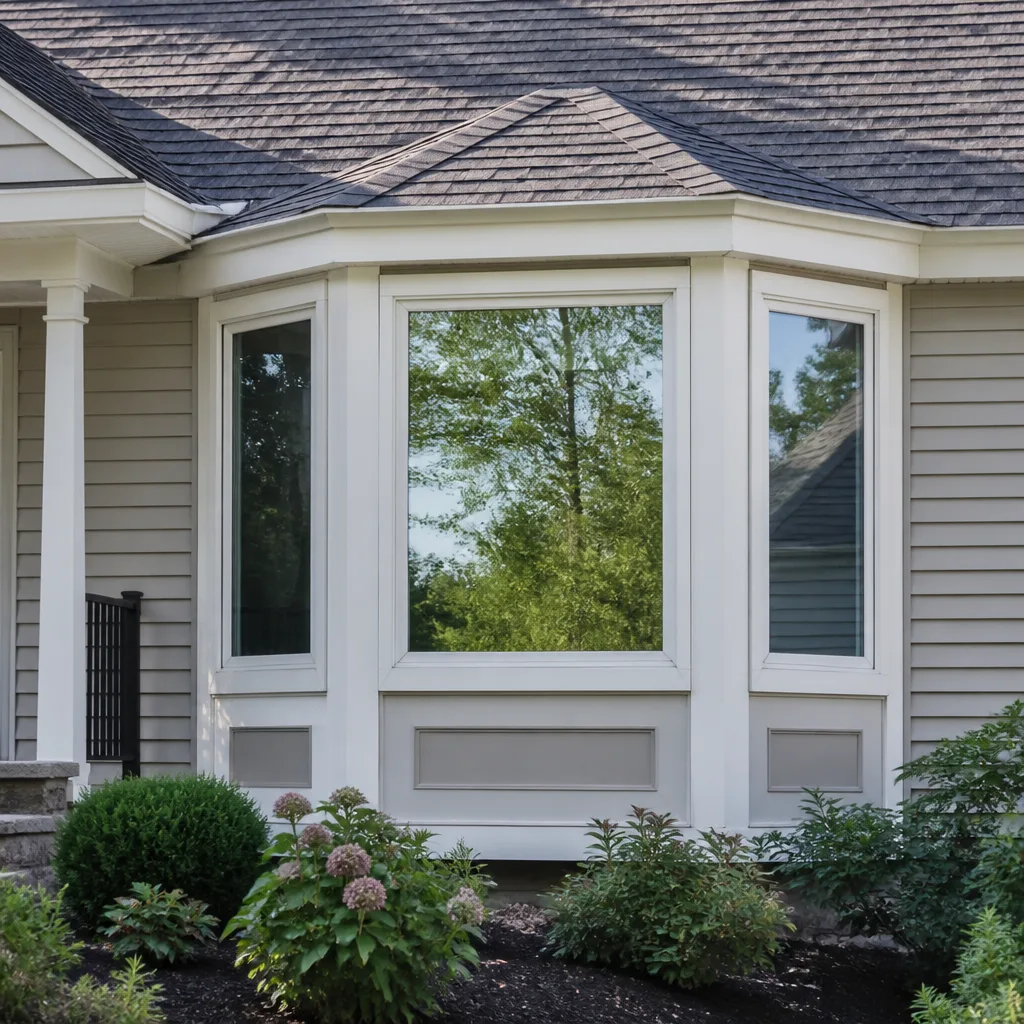
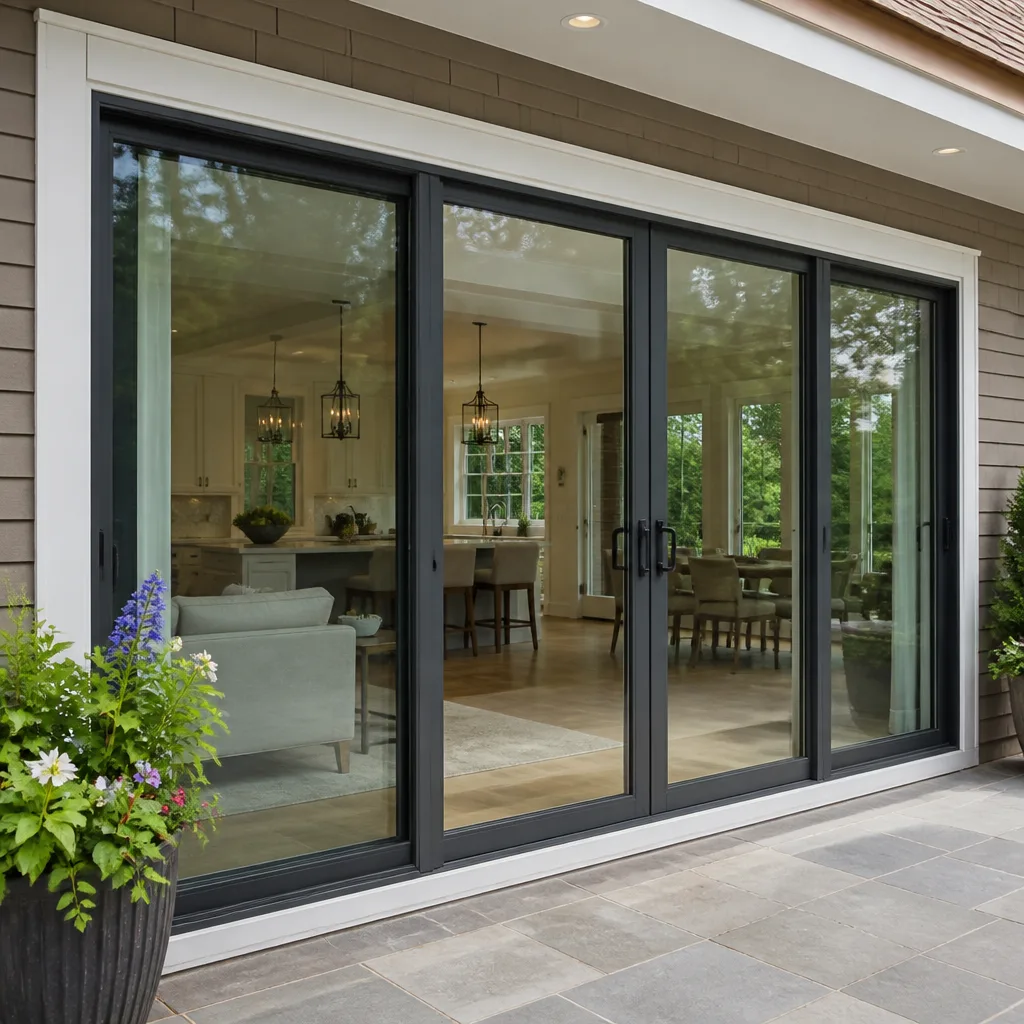
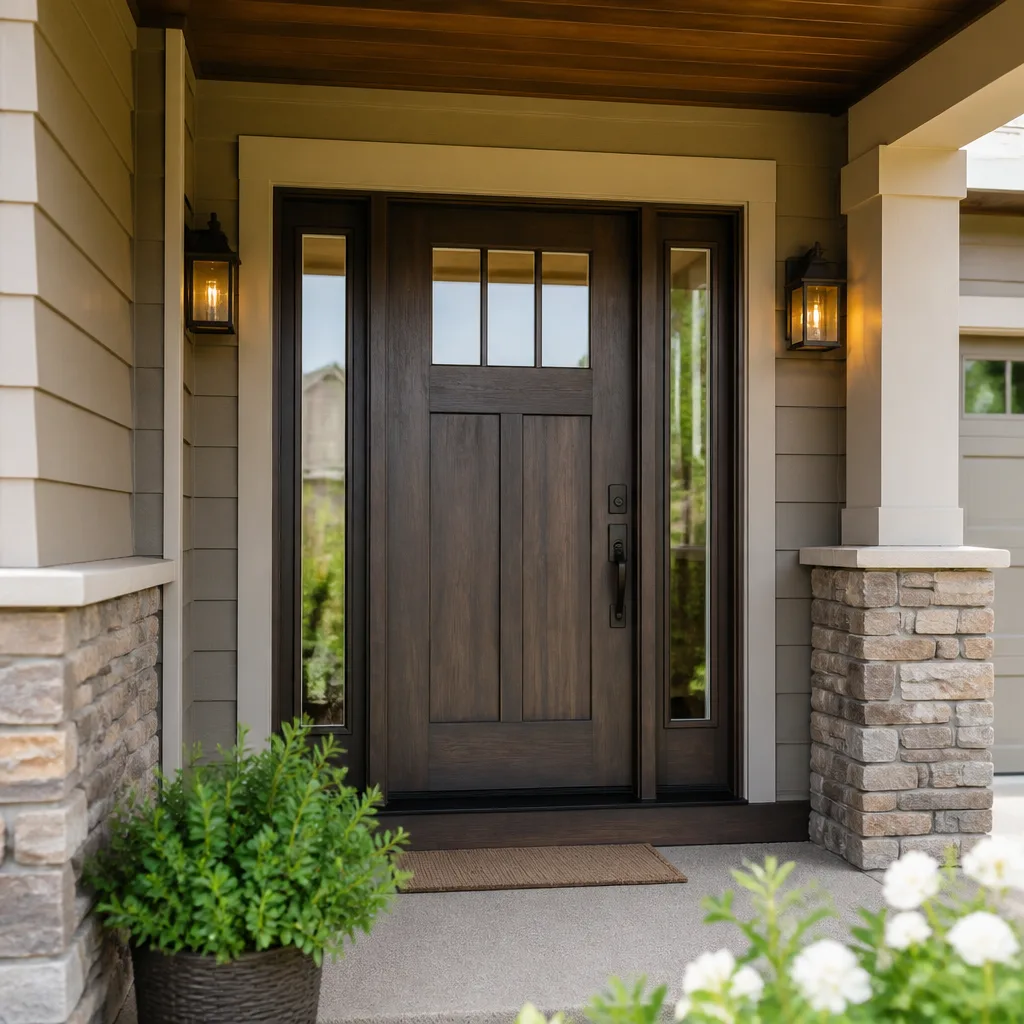
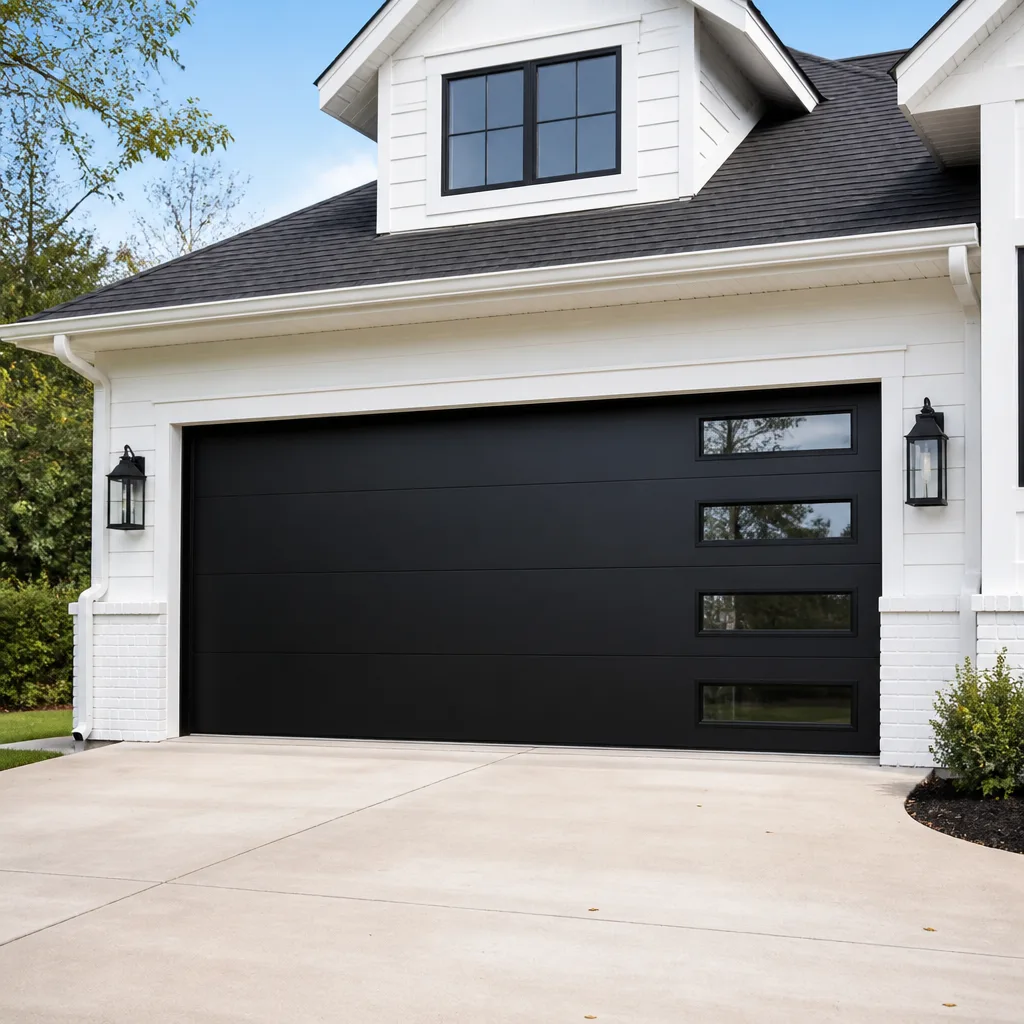
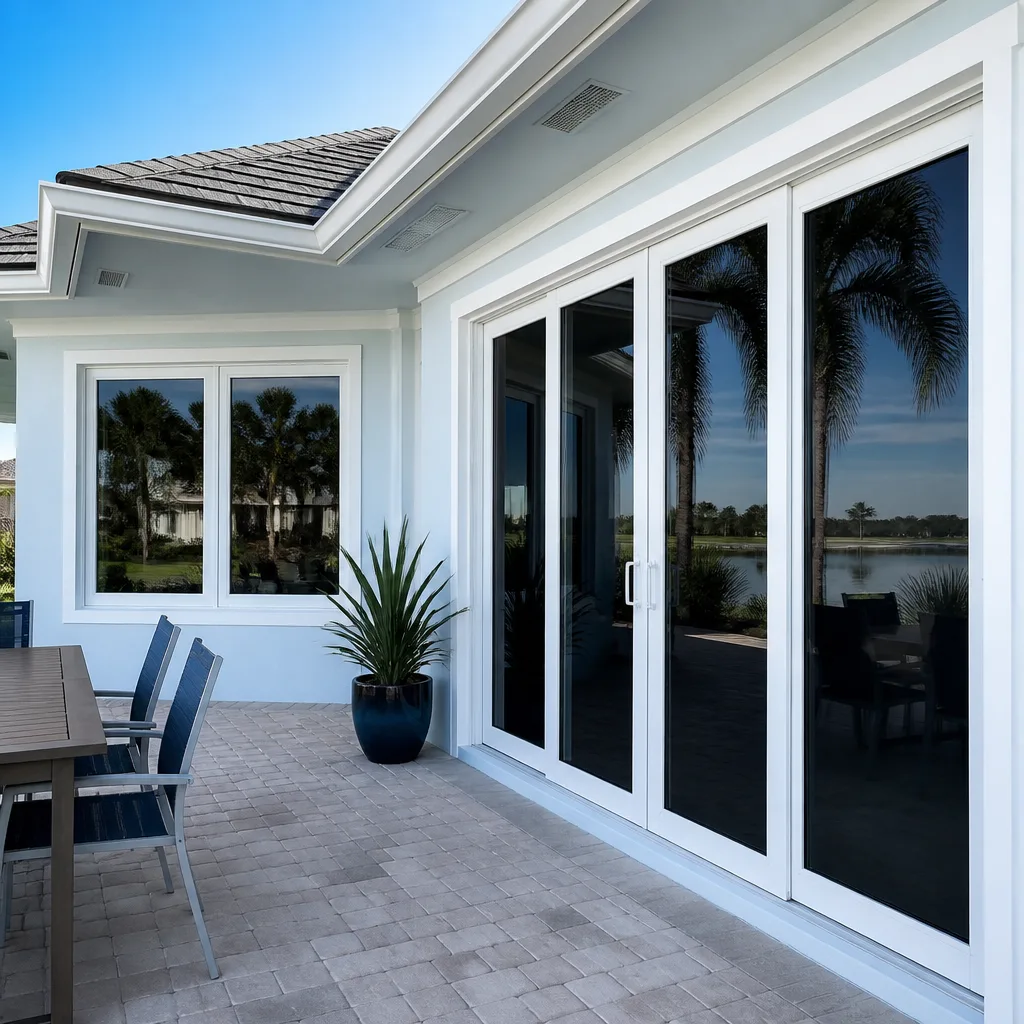
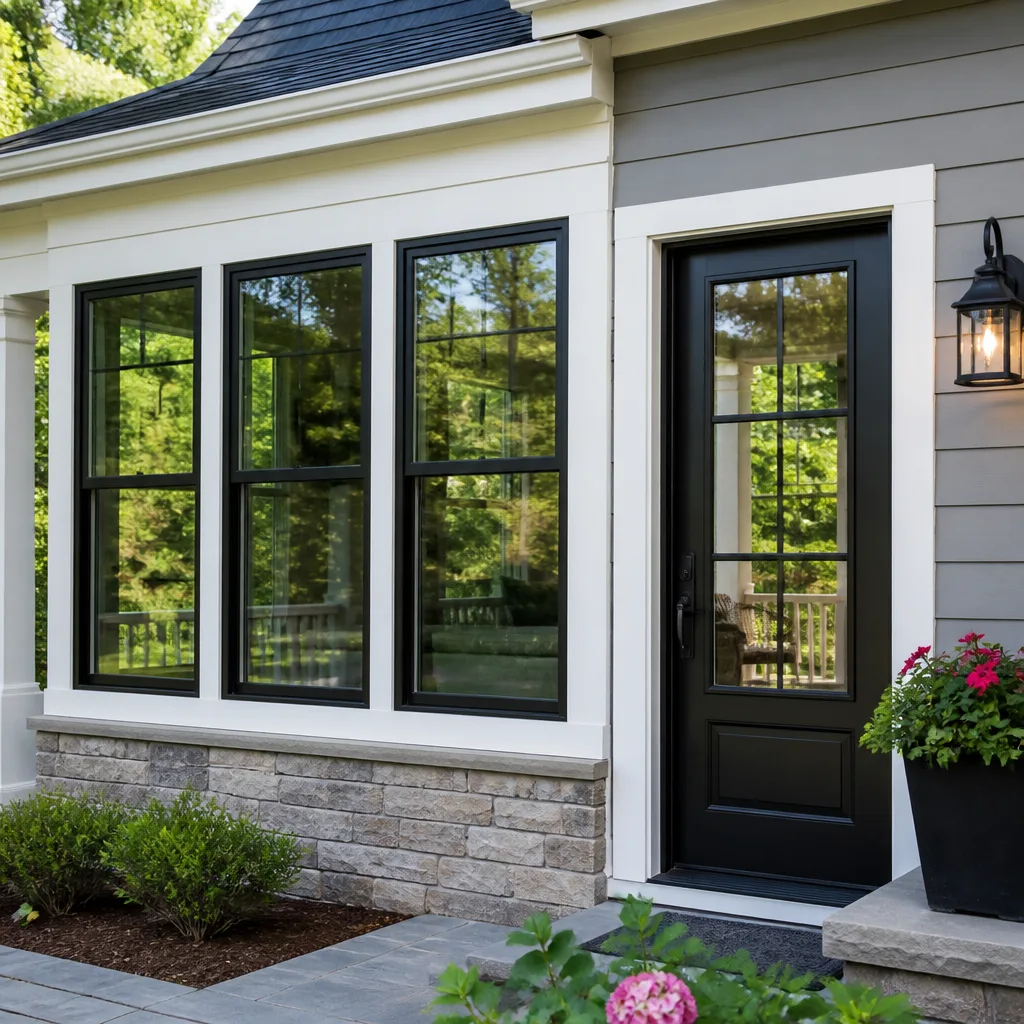
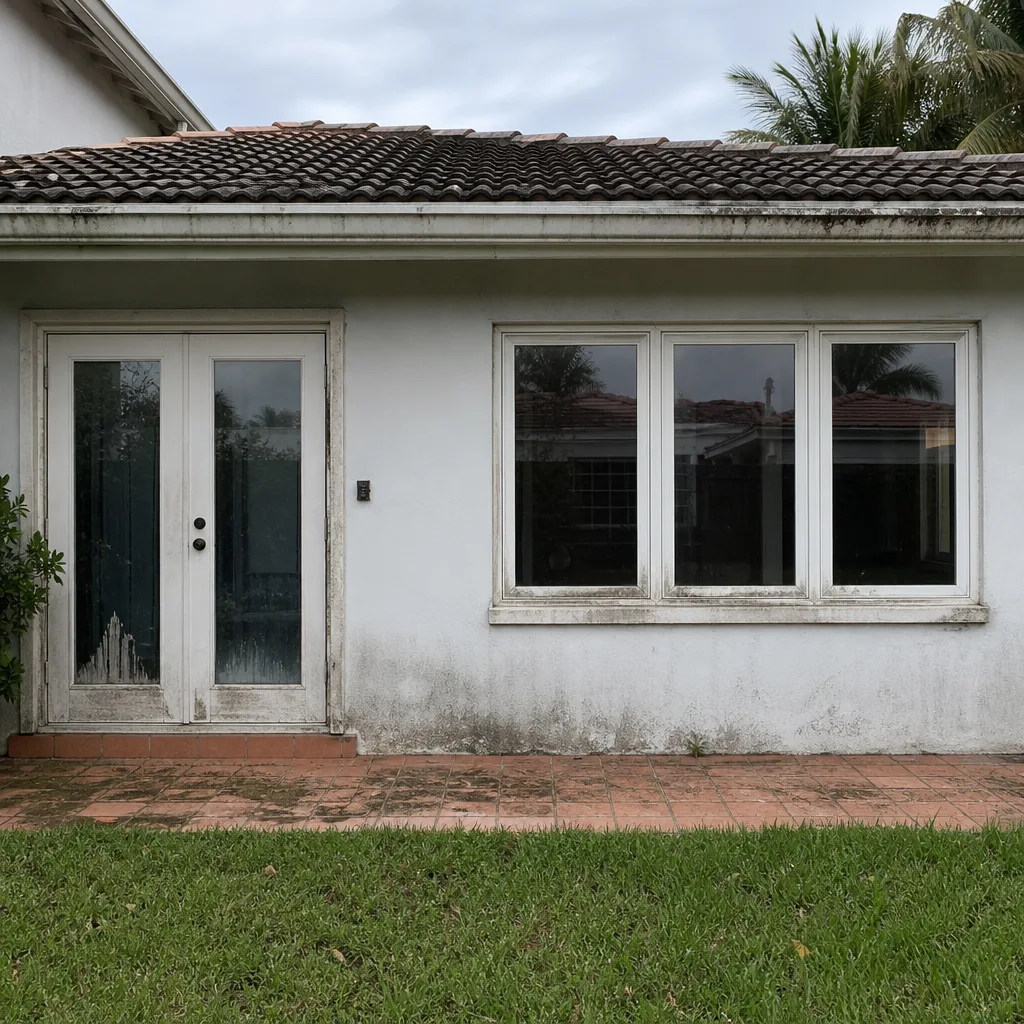 Before
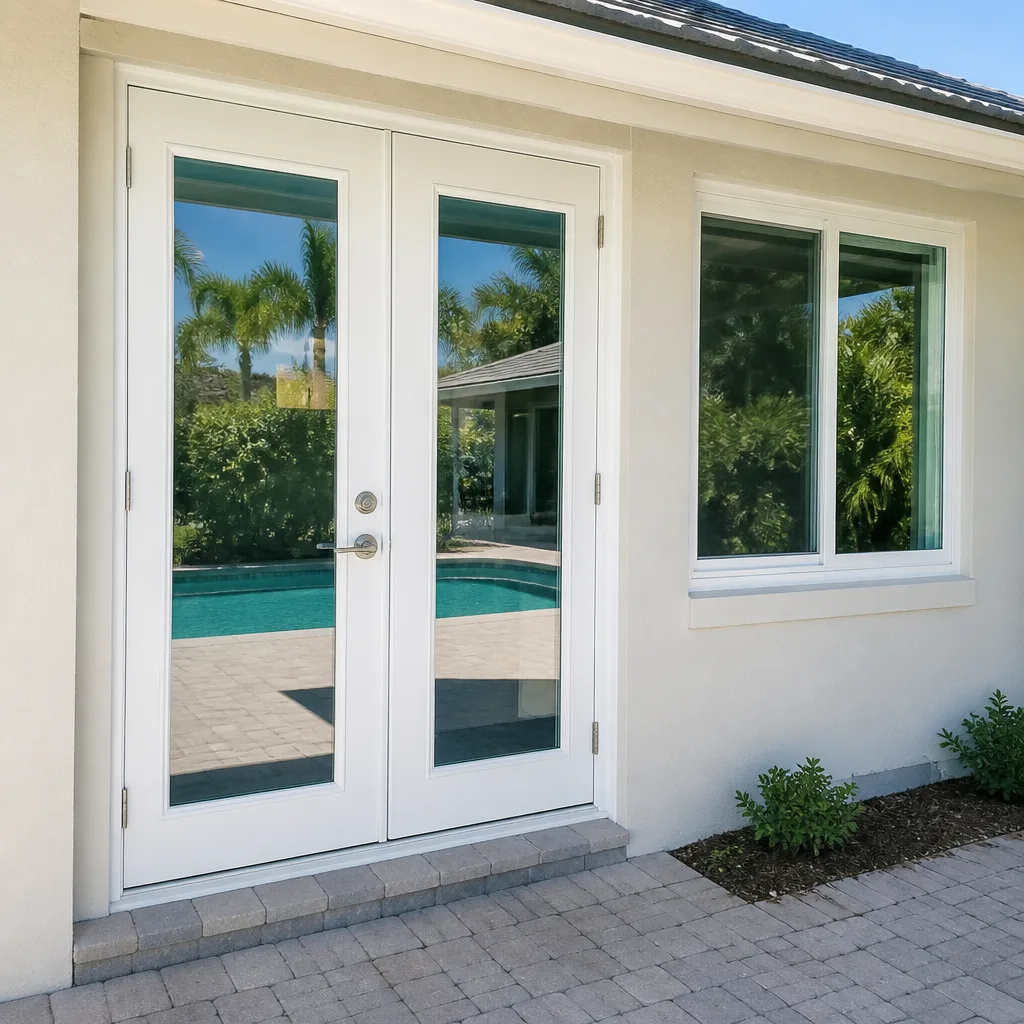 After
After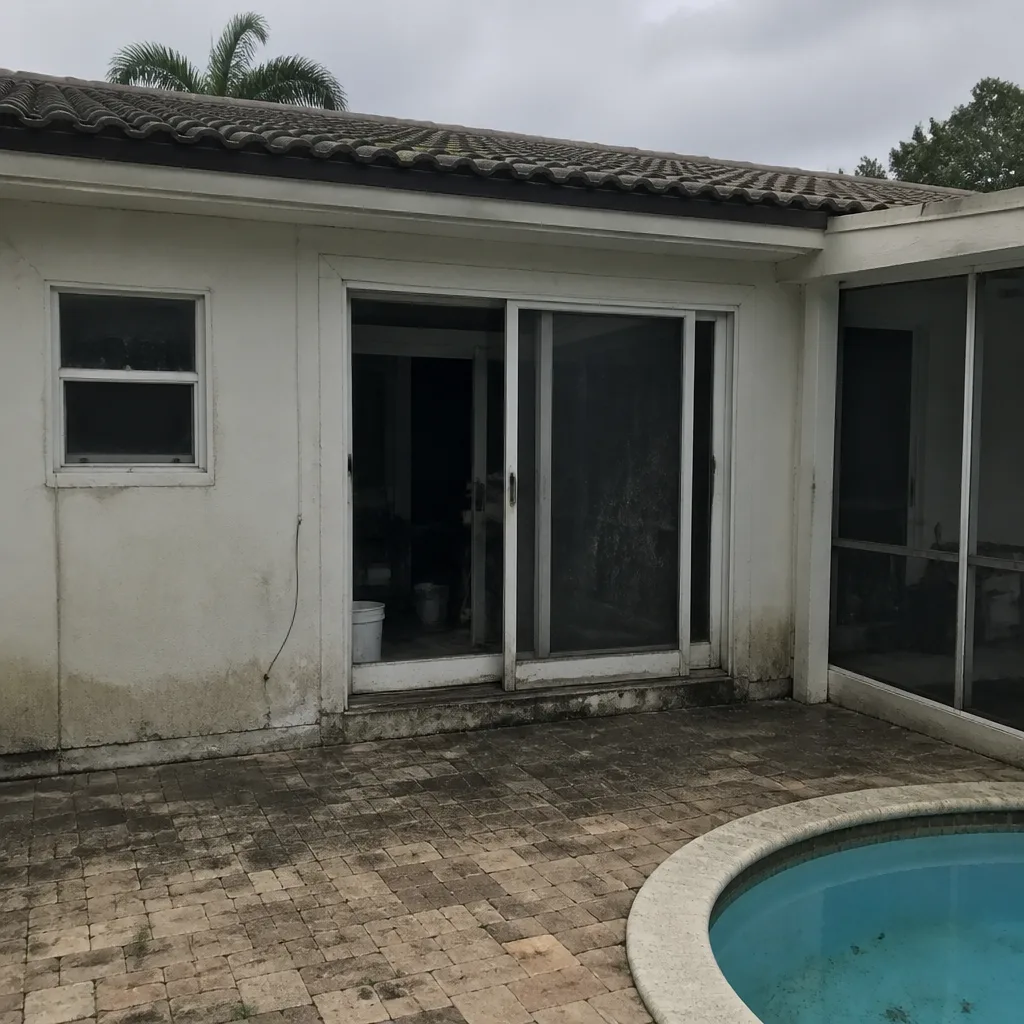 Before
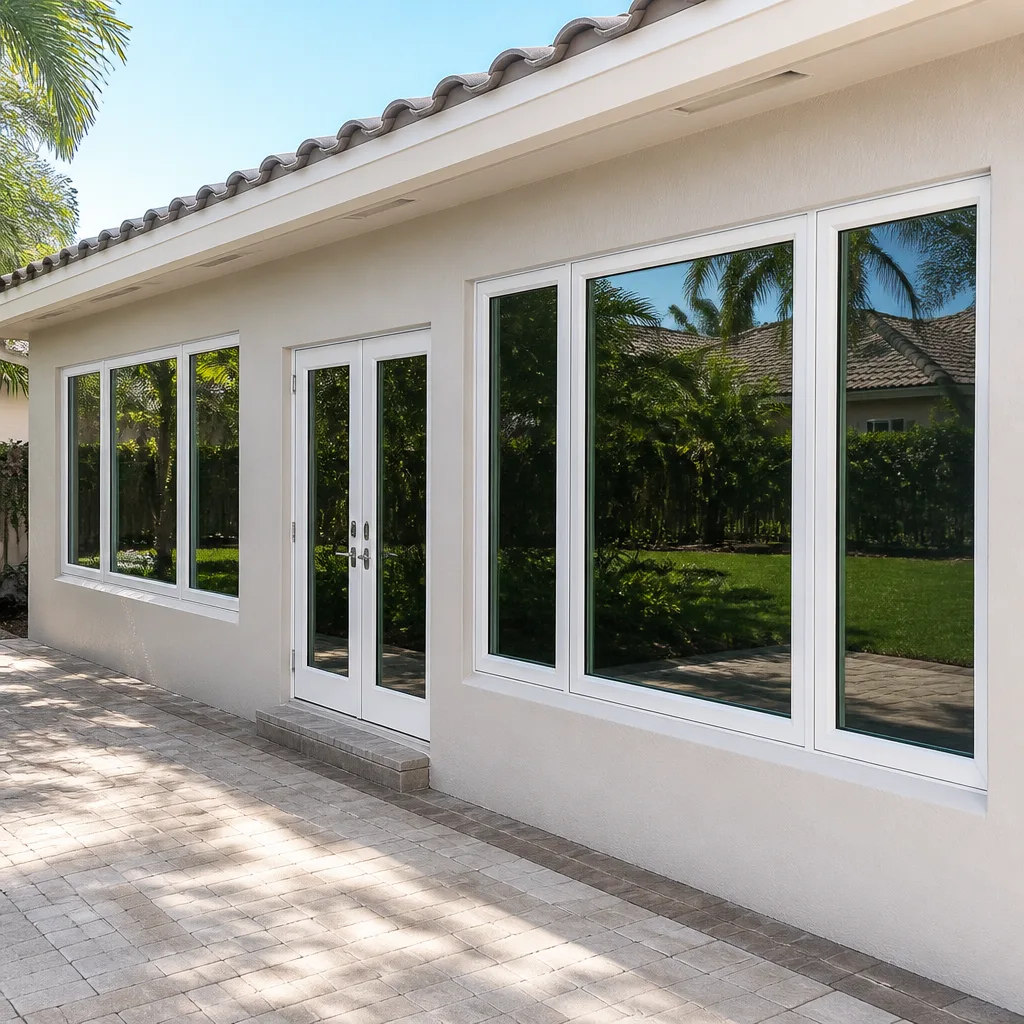 After
AfterThe Complete Guide to Windows & Doors in Fort Lauderdale
Most homeowners shopping for windows in Fort Lauderdale start on a national retailer’s website, and immediately get advice calibrated for a house in Ohio. That advice will not survive contact with Broward County. Between the salt air coming off the Atlantic, the wind loads from hurricanes that make landfall within a hundred miles, and UV exposure that turns cheap frames brittle in under a decade, this market punishes generic products and generic advice. This guide is built specifically around the codes, climate, and contractors you will actually encounter here. By the end, you will know which specs matter, which materials fail, and how to sequence a full exterior protection project without stacking permits into a scheduling nightmare. We have installed windows and doors across Fort Lauderdale since 2011, and the patterns we see repeat so consistently they are worth putting in writing.
Quick Answer
Choosing windows and doors in Fort Lauderdale starts with Florida Building Code wind-load requirements and Miami-Dade Notice of Acceptance (NOA) or Florida Product Approval, not Energy Star labels. Impact-rated aluminum or vinyl frames with stainless-steel hardware are the standard here because salt air corrodes anything less. Expect to pay $800 to $1,400 per opening installed for certified impact windows, and always confirm the product approval number matches your Broward County ZIP code before you pay a deposit.
Table of Contents
- Why Wind-Load Ratings Come First in Broward County
- Salt Air Corrosion: What Actually Fails and What Survives
- Miami-Dade NOA vs. Florida Product Approval: Which One Applies to Your ZIP Code
- Why PGT, CGI, and Therma-Tru Dominate Fort Lauderdale Installs
- How Much Do Impact Windows Actually Cost in Fort Lauderdale?
- How to Sequence a Full Exterior Protection Project Without Losing Six Months
- Understanding Permits in Fort Lauderdale: What They Cover and Why They Matter
- Common Mistakes to Avoid
- When to Call a Professional
- Frequently Asked Questions
- The Bottom Line
Why Wind-Load Ratings Come First in Broward County
Wind-load rating is the maximum design pressure a window or door can withstand before the glass, frame, or anchoring system fails. It is expressed as a DP number, and in Fort Lauderdale the minimum required number depends on your zone, building height, and distance from the coast. A house in Victoria Park has different requirements than a high-rise unit on Galt Ocean Mile. The Florida Building Code is not a suggestion here; it is enforced at permit inspection, and a failed inspection means the contractor tears the unit out and starts over. That is the expensive way to learn this lesson.
Here is the sequence of specs you should confirm before anything else:
- Design pressure rating (DP): For most single-family homes in Fort Lauderdale, the required range is DP 50 to DP 65 depending on exposure. High-rises and beachfront properties go higher, sometimes DP 70 or more.
- Impact rating: Large missile impact (Level D) is required in the Miami-Dade and Broward High Velocity Hurricane Zones. Small missile only is not enough for most of Fort Lauderdale.
- Product approval: Look for a Florida Product Approval number or Miami-Dade NOA number on the manufacturer spec sheet. If the contractor will not show you this before the contract is signed, walk away.
- Anchoring method: Concrete-block walls found throughout Fort Lauderdale require specific fasteners. Wood-frame construction, less common here than up north, requires different anchors.
- Water infiltration rating: Fort Lauderdale gets 60 or more inches of rain in a wet year. The unit must be rated for driven rain at high wind speeds, not just a light drizzle test.
Energy Star labels are worth considering, but they are a secondary filter in South Florida. A window that is Energy Star listed but not impact rated is a ventilation hole in a hurricane. In Fort Lauderdale, wind load and impact certification come first. Energy performance is the tiebreaker between two approved products. We cover this in more depth on our Impact Windows in Fort Lauderdale page if you want the full certification breakdown.
Salt Air Corrosion: What Actually Fails and What Survives
Fort Lauderdale sits on a narrow strip of land between the Everglades and the Atlantic. Every afternoon sea breeze carries fine salt particles inland, sometimes as far as Interstate 95 on windy days. That salt settles on window frames, door hinges, track rollers, and locking mechanisms. It is not a cosmetic issue. We have replaced windows in Rio Vista where the original frames were only eight years old and the corners were corroded through. The homeowner had bought a national brand designed for inland climates, and the salt ate it.
Materials we recommend for Fort Lauderdale, based on what we have seen survive since we started installing in 2011:
- Aluminum frames with marine-grade finish: PGT and CGI both use finishes specifically tested against coastal corrosion. Anodized aluminum holds up far better than painted aluminum unless the paint is a marine-grade powder coat.
- Stainless steel hardware: Every hinge, roller, and locking point should be 316 stainless, not 304, and never zinc-plated steel. Zinc-plated hardware on a beachfront condo will start rusting within two years. Stainless steel costs more up front and is the only choice that makes sense within three miles of the coast.
- Vinyl frames with UV-stabilized compounds: Quality vinyl frames from brands like ES Windows and ECO Window Systems resist salt and UV well. Cheap vinyl will chalk and turn brittle in the Fort Lauderdale sun, which is a different failure mode but just as real.
- Corrosion-resistant rollers and tracks: Sliding glass doors and patio doors fail most often at the roller assembly. In Fort Lauderdale, look for stainless steel or polymer rollers housed in sealed bearing assemblies. Exposed steel rollers will fail within a few hurricane seasons.
Materials we tell homeowners to avoid here, straight up:
- Uncoated steel frames or hardware: They are not common in windows anymore, but they still show up in cheap door handles and hinges. Rust will appear within one wet season.
- Standard aluminum screen frames: Unless the screen frame is powder-coated and the spline is marine grade, the screen will sag and the corners will oxidize faster than you expect.
- Brass or bronze hardware without a protective clear coat: They tarnish beautifully in some climates. In Fort Lauderdale, they pit and seize.
- Wood frames without a marine-grade sealant schedule: Wood is rare in South Florida window installs for good reason. If you want wood for architectural reasons, plan on resealing every 24 months forever.
A real-world note: we have worked on homes in Harbor Beach where the salt line is so aggressive that even the stainless steel required annual rinsing. If you are within walking distance of the beach, budget for a freshwater rinse of your frames and tracks twice a year. It takes twenty minutes and extends hardware life significantly. See our full Impact Windows Maintenance Checklist for Fort Lauderdale Homeowners for more seasonal tasks.
Miami-Dade NOA vs. Florida Product Approval: Which One Applies to Your ZIP Code
This is the single most confusing part of buying windows in Fort Lauderdale, and most national retailers will not explain it because they do not know it. There are two product certification systems in Florida. A Miami-Dade Notice of Acceptance (NOA) is issued by Miami-Dade County and is the stricter of the two. A Florida Product Approval (FL number) is issued by the Florida Department of Business and Professional Regulation and is accepted statewide in most cases. The difference matters less than it used to, because Broward County still enforces some of the most stringent wind requirements in the state, and many municipal inspectors expect to see an NOA or a Florida Product Approval that references the same test standards.
Here is the practical version for a homeowner in Fort Lauderdale:
- If you live in a High Velocity Hurricane Zone (HVHZ): Most of Broward County, including Fort Lauderdale east of the Turnpike, falls in the HVHZ. The product must meet large missile impact testing. Miami-Dade NOAs always meet this standard. Florida Product Approvals can also meet it, but you have to check the approval document to confirm.
- If you are replacing windows in a condo: The condo association has likely already specified which approvals are acceptable. Some associations in Fort Lauderdale will only accept Miami-Dade NOA products. Get that in writing from the association before you buy.
- If the contractor says “it is Florida approved” without a number: Treat that as a non-answer. Ask for the specific FL number or NOA number. A legitimate contractor will provide it without hesitation. We provide approval numbers on every quote because we do not want surprises at inspection.
- If the product approval is for a different size or configuration than the unit you are buying: Approval documents are specific. A PGT window with a certain approval may not cover the custom size or geometric shape you are ordering. In Fort Lauderdale, custom and geometric windows are increasingly popular in newer construction, and they require extra diligence.
The approval number also should appear on the permit application. Fort Lauderdale building officials cross-check it. If the number does not match the product installed, the inspection fails and the correction is on the contractor’s dime. Make sure your contract states that the contractor will pull the permit, schedule the inspection, and correct any failed inspection at no additional cost. Our How to Hire a Windows & Doors Contractor in Fort Lauderdale: A Step-by-Step Guide explains what else to look for. That clause alone would save some Fort Lauderdale homeowners thousands of dollars we have seen them lose to less careful outfits.
Why PGT, CGI, and Therma-Tru Dominate Fort Lauderdale Installs
PGT, CGI, and Therma-Tru are not just big names. They are the brands that built their product lines around South Florida conditions, not around a national average. That is why they dominate local installs from Las Olas Isles to Imperial Point.
PGT is headquartered in North Venice, Florida. Their products are designed and tested for the High Velocity Hurricane Zone first, then sold nationally. Their WinGuard line carries Miami-Dade NOAs across a wide range of sizes and configurations. We install PGT because their lead times are predictable, their warranty claims are handled without phone-tree torture, and their aluminum frames hold a marine finish as well as anything we have tested in Fort Lauderdale’s salt air.
CGI has been building impact windows in Miami since 1992. Every CGI product is engineered for hurricane zones, and they offer the kind of custom sizing that older Fort Lauderdale homes with non-standard openings require. If you live in a 1950s house in Sailboat Bend or Riverside Park, the rough openings are probably not a standard size, and CGI is often the most practical premium option.
Therma-Tru is known for entry doors. In Fort Lauderdale, the entry door is the single most common point of water intrusion during a storm, and Therma-Tru’s impact-rated door systems are designed to take a full wind-driven rain test, not just an impact test. We install Therma-Tru doors because they combine the required impact rating with the kind of air and water sealing that holds up through a Fort Lauderdale summer afternoon thunderstorm, which arrives with almost no warning and dumps two inches of rain in an hour.
In our experience, the right brand for your home depends on the exposure, the architecture, and the retrofit conditions. A high-rise on the Intracoastal is a different job than a single-story ranch in Croissant Park. What they have in common is that the product must be approved, the installation must be watertight, and the contractor must be reachable after the job is done. The brand is part of the equation; the installer is the other part. You can also review our brand-specific details on the Window Installation in Fort Lauderdale page.
How Much Do Impact Windows Actually Cost in Fort Lauderdale?
Impact windows in Fort Lauderdale typically cost $800 to $1,400 per opening installed, including the window, labor, permit, and disposal. That range holds for standard-size single and double-hung impact windows in single-family homes. Larger openings, sliding glass doors, and custom shapes push the per-opening cost higher, sometimes to $2,500 or more for a large custom geometric window in a waterfront home. The installed price for an impact-rated front entry door usually falls between $3,000 and $6,000 depending on the door system, hardware, and whether we must reframe the rough opening.
Here is a workable breakdown for a typical 1,800-square-foot Fort Lauderdale home replacing ten windows and one entry door:
- Standard impact single-hung, 36″ x 60″: $850 to $1,100 per window installed
- Standard impact horizontal slider, 60″ x 48″: $900 to $1,200 per window installed
- Standard impact casement, 28″ x 60″: $950 to $1,250 per window installed
- Impact sliding glass door, 72″ x 80″: $3,500 to $5,500 installed
- Impact entry door, single 36″ x 80″: $3,000 to $5,000 installed
- Permit and inspection fees: $150 to $400 per window depending on City of Fort Lauderdale fee schedule, often bundled into the quote
Three things drive the price in Fort Lauderdale specifically. First, the permit and inspection process is slower and more expensive than in most of Florida. Second, many homes here are concrete-block, which requires longer anchors and specialized fasteners that cost more than wood-frame screws. Third, the lead times for impact glazing have been erratic since 2020, and the most reliable regional suppliers stay busier. The price range above is honest for a licensed Fort Lauderdale installer using approved products. If a quote comes in far below this range, ask the contractor to show you the product approval number and the permit application before you sign anything. Our pricing is fixed once quoted, with no change orders on the invoice. We put a Window Replacement in Fort Lauderdale page together with more cost detail if you are replacing rather than building new.
How to Sequence a Full Exterior Protection Project Without Losing Six Months
A full exterior protection project in Fort Lauderdale typically includes three overlapping scopes: impact windows, impact doors, and roofing. If you sequence them wrong, permits stack, inspections conflict, and you end up waiting weeks between trades. We have seen homeowners order windows first, then discover the roof deck needs repair around the flashing, then lose two months while roofing and window installers argue about scope. Here is the sequence we recommend, and the one we follow on jobs where we are handling windows, doors, and roofing together:
- Start with a roof assessment. The roof is the top of the water-shedding system. If there is existing flashing damage, lifted shingles, or tile failure, fix it before water has another season to work its way down the walls. In Fort Lauderdale, roof decking often shows moisture stains around penetrations that you will never see until an interior storm approaches.
- Pull the building permit for windows and doors, referencing the product approval numbers for each unit. Do not pull a permit until you have confirmed every product is approved for your Homeowner association’s requirements. Permit corrections in Fort Lauderdale take weeks, not days.
- Install impact doors first. The entry door is the single highest-traffic opening and the one most exposed to wind-driven rain. Once the door rough opening is exposed, you will see the condition of the rough framing, which often reveals water damage that changes the window installation schedule.
- Install impact windows next. On a single-story Fort Lauderdale home, a ten-window replacement takes two or three working days for experienced crews. Concrete-block retrofit work takes slightly longer than wood-frame demolition because each anchor requires precision drilling.
- Complete roofing after windows and doors are watertight. The new flashing details at the top of each window and door should tie into the roof edge where applicable. Doing the roof after openings are sealed prevents water from finding its way behind the new window flanges.
- Schedule the final building inspection once, for everything. Fort Lauderdale inspectors prefer combined finals for exterior protection scopes on the same permit. A separate inspection for windows, then doors, then roof can add three weeks of scheduling time.
The permit stacking problem is real in Fort Lauderdale because the Building Services division gets slammed every spring when homeowners realize hurricane season starts June 1. If you plan your project to have the permit filed by February, you miss the rush. If you file in May, you wait. That is the annual cycle in this city, and it has been true every year we have been doing this.
Understanding Permits in Fort Lauderdale: What They Cover and Why They Matter
Every window and door replacement in Fort Lauderdale requires a building permit when the opening size changes, when the product is impact rated, or when the structural frame is touched. Some contractors will tell you that a like-for-like swap does not need a permit. That is wrong in Broward County when the new product carries an impact rating that must be documented against the product approval. The city cross-checks approval numbers at final inspection, and if the paperwork does not line up, the job is not closed.
What the permit process covers in practice:
- Product approval verification: The city checks that every window and door matches the FL or NOA number on the application.
- Wind-load compliance: The plan reviewer confirms the product design pressure meets or exceeds the requirement for your specific exposure zone.
- Anchoring method: For concrete-block homes, the inspector verifies fastener type and spacing. For wood-frame, they check the nailing pattern and flashing.
- Water-resistive barrier: Fort Lauderdale has strict flashing and sealant inspection requirements because wind-driven rain is the number one cause of post-installation leaks.
- Final inspection and closure: The permit must be closed. An open permit on a Fort Lauderdale property will show up when you sell and can delay closing or cut your sale price.
Winslow Windows & Doors pulls the permit on every job in Fort Lauderdale where one is required, schedules the inspections, and corrects any failed inspection at no charge. The 36500-Day Done Right Promise is not a marketing slogan. It is the standard we have held ourselves to since 2011, and it means exactly what it says: if it is not done right, we come back and make it right.
Common Mistakes to Avoid
- Buying the national guide advice without checking Fort Lauderdale wind requirements. A window that passes code in Ohio will not pass inspection in Broward County. The DP rating and approval number come before everything else.
- Choosing hardware by looks instead of corrosion resistance. Satin nickel and oil-rubbed bronze look good, but if the substrate is zinc-plated steel, it will rust within two wet seasons. Ask for 316 stainless steel, specifically, on every hinge and lock point.
- Waiting until May to file permits. Fort Lauderdale Building Services processes a flood of hurricane-season applications every spring. File in winter and you will be inspected before the rush starts.
- Skipping the rough-opening inspection on older homes. In Fort Lauderdale neighborhoods like Middle River Terrace and Shady Banks, we regularly find hidden termite damage and dry rot once the old window comes out. If the contract does not account for potential framing repairs, you will get a change order you did not plan for.
- Hiring a contractor without a published Fort Lauderdale address and license number. We are locally owned by Ed Winslow and our address and license number are published. If a contractor will not show you both before you sign, you are taking a risk you do not need to take.
- Assuming Energy Star is enough. Energy Star is a thermal efficiency label. It says nothing about whether the window will hold its glass in a Category 3 storm. In Fort Lauderdale, impact rating is non-negotiable.
- Paying a large deposit before the permit is approved. A reasonable deposit is standard, but we recommend against paying more than a third before the city approves the permit and the product is ordered. Once the permit is in hand, the project is real.
When to Call a Professional
Call a licensed Fort Lauderdale contractor whenever structural openings are involved, impact ratings are required, or water intrusion is suspected. If you see daylight around a door frame, if a window has fogged glass, if a sliding door sticks in its track, or if you need documented wind-load compliance for insurance, do not attempt a DIY fix. Read our DIY vs Professional Windows & Doors: The Fort Lauderdale Homeowner’s Decision Guide to see why. The Florida Building Code requirements in Broward County make even like-for-like replacements a permitting event, and an unpermitted replacement can void your homeowners insurance claim after a storm. Window and door replacement involves high-tension components, large glass panels, and structural anchoring. If a spring or tension mechanism is involved on a roll-up impact garage door, leave it to a trained professional; those torsion springs are under enough load to seriously injure someone who does not know the release procedure. Winslow Windows & Doors offers free estimates in Fort Lauderdale. Call (904) 913-5886 and a real person answers, 24 hours a day.
Frequently Asked Questions
Impact windows in Fort Lauderdale typically cost $800 to $1,400 per opening installed for standard sizes, including permit and labor. Larger openings, sliding glass doors, and custom geometric shapes run higher. Call (904) 913-5886 for an exact quote on your specific openings, and the estimate is free.
Yes, if the home falls within the High Velocity Hurricane Zone, which covers most of Fort Lauderdale, replacement windows must meet large missile impact testing requirements. Check your specific address against the current Broward County wind-load map before you buy. We verify this on every quote.
A Miami-Dade NOA is issued by Miami-Dade County and is the stricter certification; a Florida Product Approval is issued by the state and is accepted in most of Florida, including Fort Lauderdale. Both can meet HVHZ requirements, but you must confirm the specific approval document covers the size and configuration of the units you are buying. We provide approval numbers on every proposal.
With Winslow Windows & Doors, no. We quote a fixed price before the permit is pulled, and the invoice matches the quote unless you request a change in scope. If hidden damage is found inside a rough opening, we document it, show you photos, and give you a written price for the repair before touching it. No surprises on the invoice.
Yes. We pull every required permit for Fort Lauderdale projects, schedule all inspections, and correct any failed inspection at no additional cost. An open permit on a property creates problems at resale, so we close every permit before we consider the job done.
For a typical single-family home replacing ten windows and one entry door, installation takes three to five working days once the products arrive. Permit approval and product lead times typically add two to six weeks depending on the season. Filing permits in winter is the single best way to shorten the total timeline. Call (904) 913-5886 to schedule your free estimate and get a realistic schedule for your specific job.
The Bottom Line
Windows and doors in Fort Lauderdale are not a commodity purchase. The correct product depends on your wind zone, your distance from saltwater, your home’s construction type, and the specific approval documents that will pass inspection in Broward County. PGT, CGI, and Therma-Tru earn their dominant position here because their products are designed for South Florida conditions first. Sequence your project properly, confirm the product approval numbers before you pay a deposit, and work with a contractor who pulls permits, publishes their address and license number, and answers the phone when you call. Ed Winslow started Winslow Windows & Doors in 2011, and he still stands behind every install. That is the difference between buying a product and getting an installation done right. The one down the road.
Written by Ed Winslow, Owner at Winslow Windows & Doors, serving Fort Lauderdale since 2011.
Six Reasons Homeowners Choose Winslow Windows & Doors
Impact systems engineered to design pressures up to +/-100, matched to your wind zone - your openings hold when the storm arrives.
Low-E insulated impact glass from our manufacturer lines commonly cuts monthly cooling bills 20-30%.
Laminated impact glass shuts out up to 40% of outside noise - traffic, neighbors, weather.
Monitoring services run $30-90 a month. Laminated impact glass resists forced entry around the clock, with no subscription.
Florida homeowners average around 25% savings on the windstorm portion of their policy after protecting every opening - some homes qualify for more.
A full impact package upgrades curb appeal, buyer confidence and appraised value in one project.