
Last updated August 27, 2026
Free in-home measure and quote - PGT, CGI and CWS impact lines compared on your actual openings, style by style
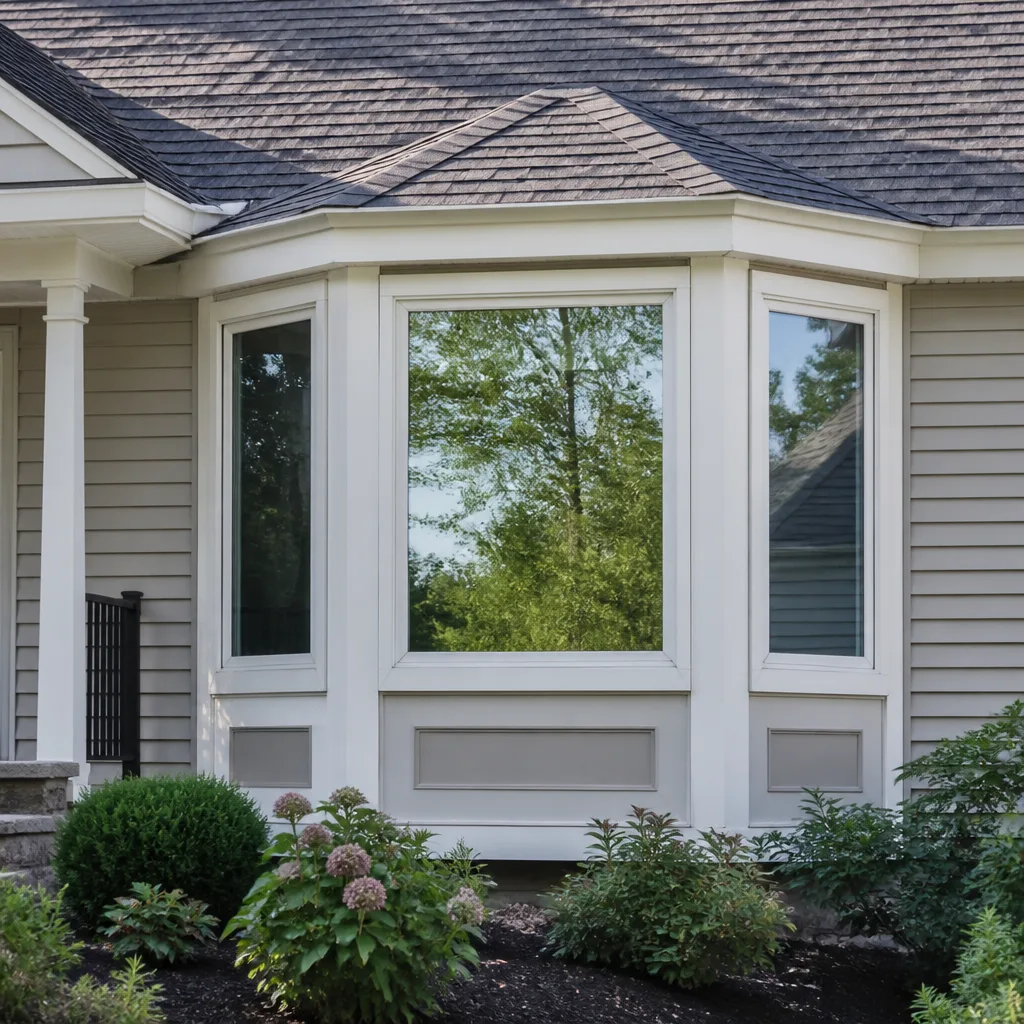
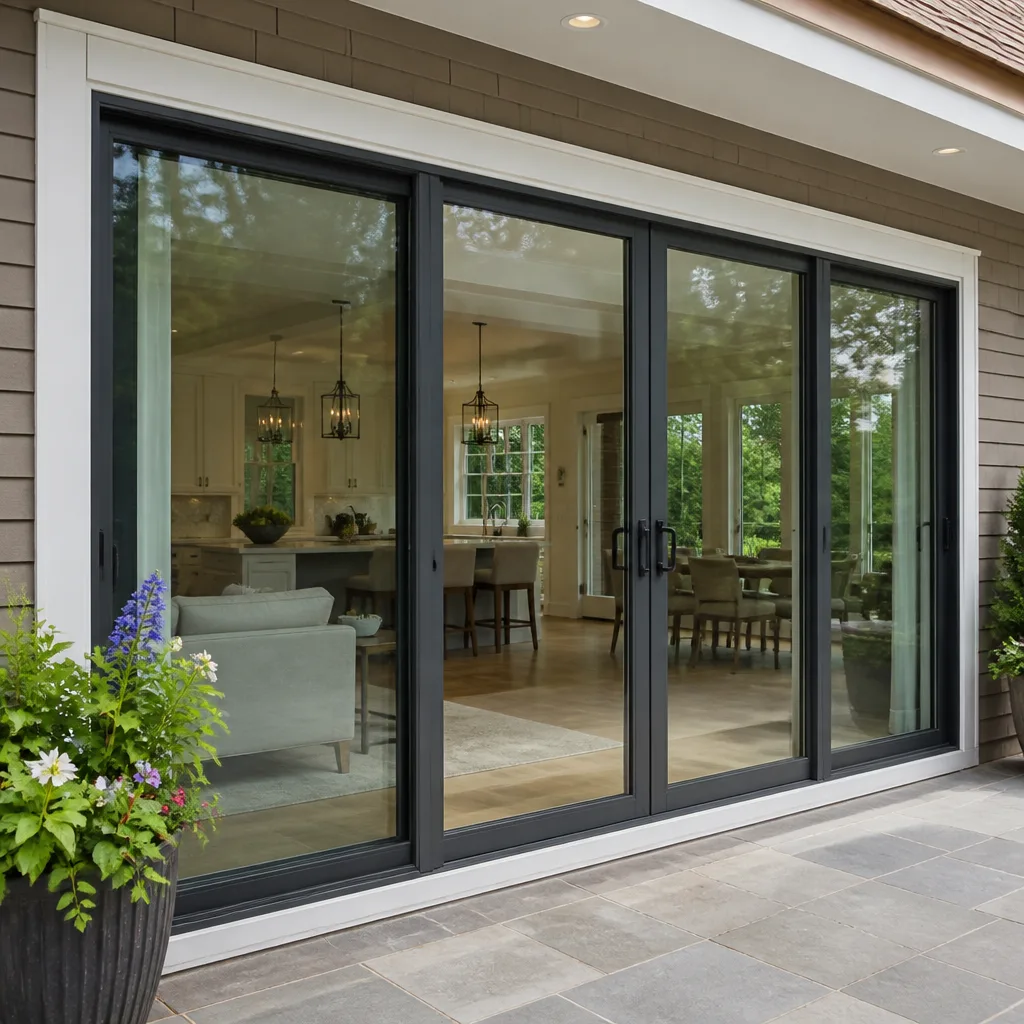
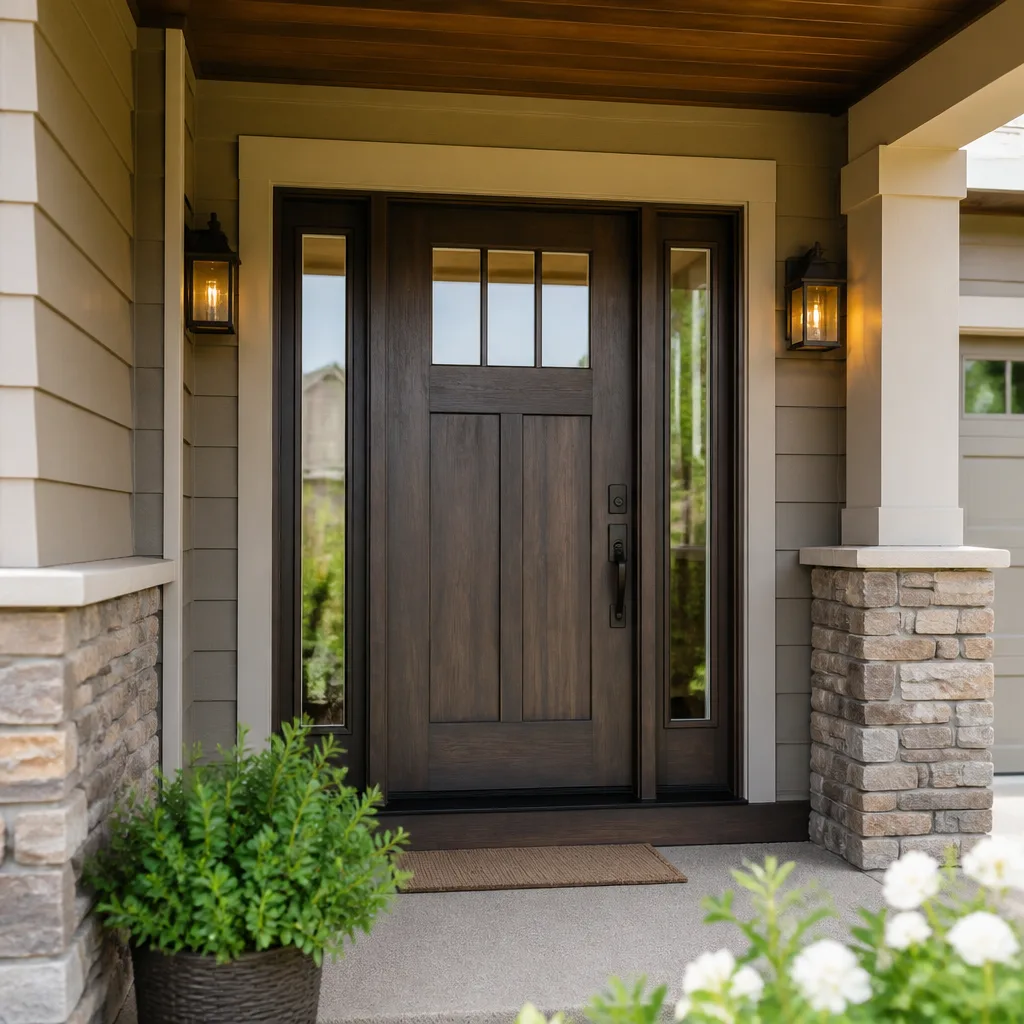
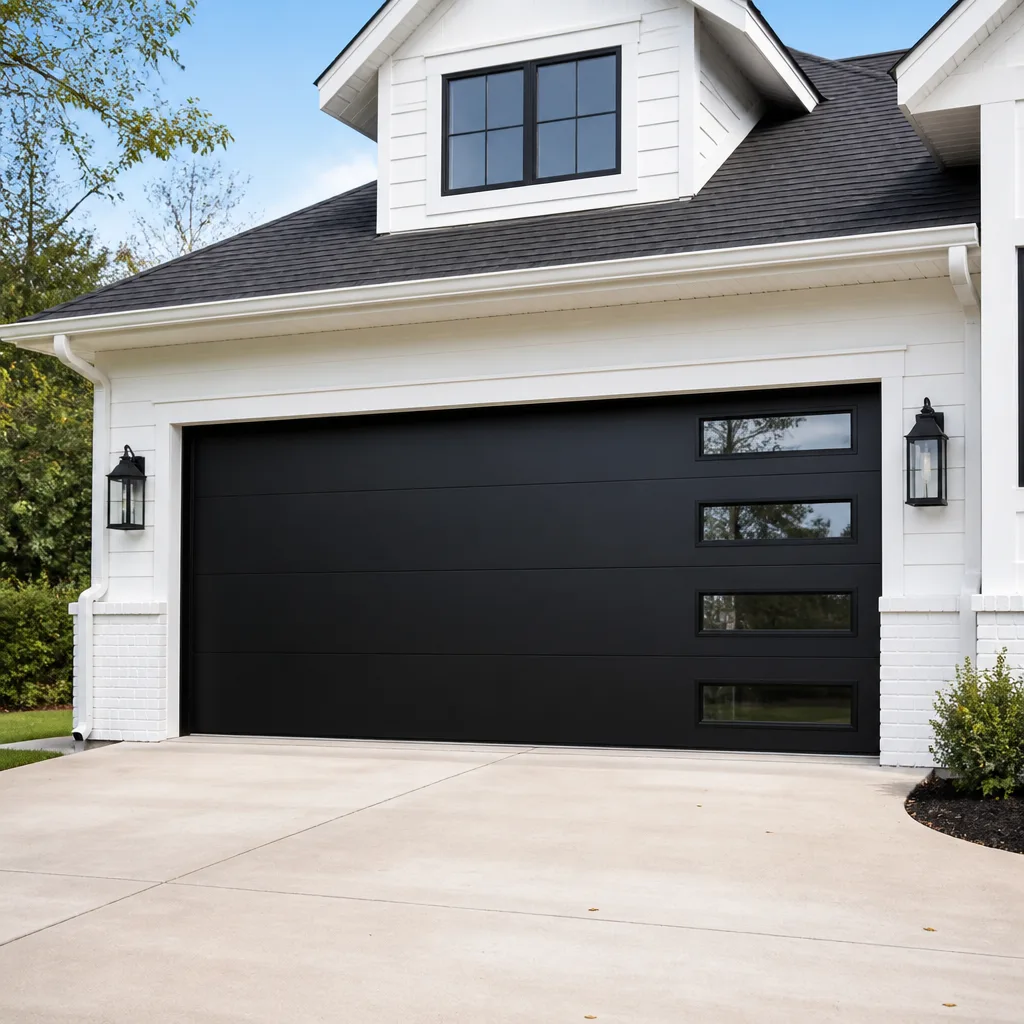
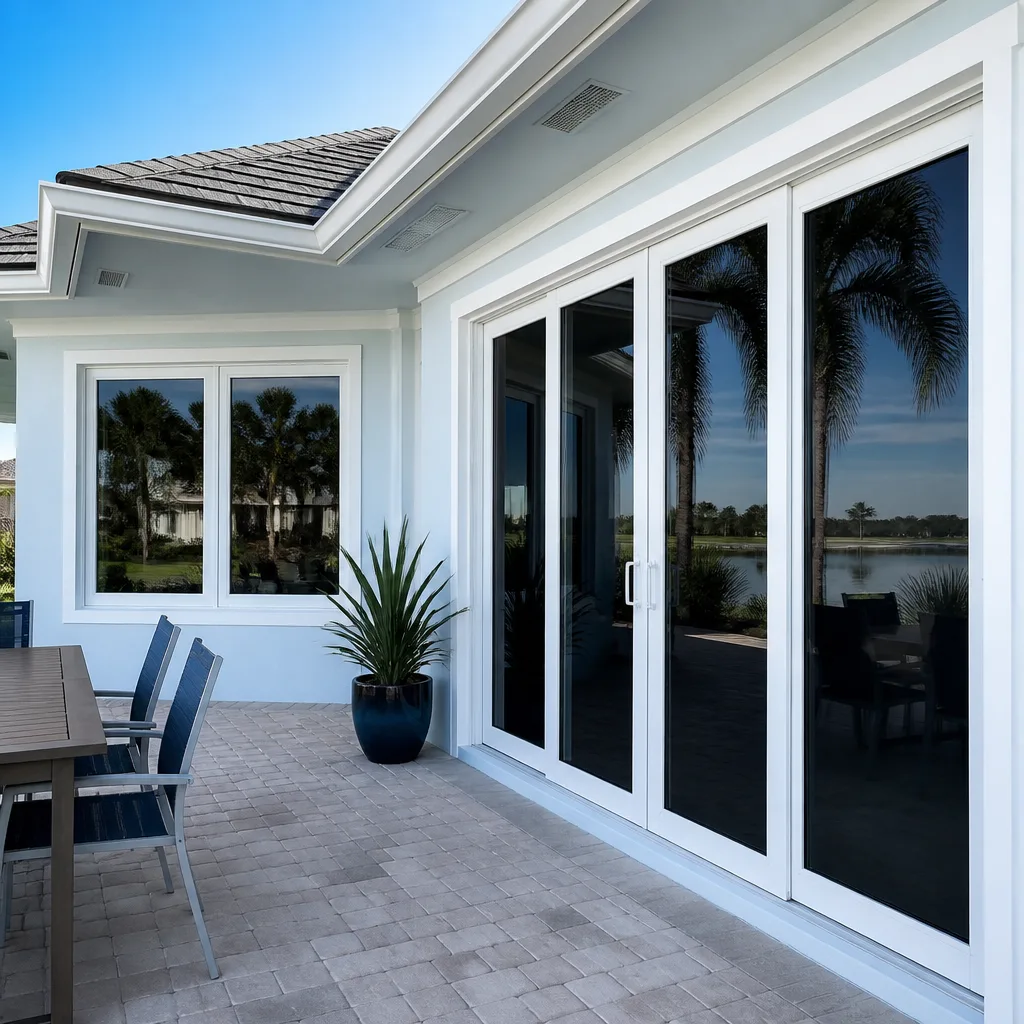
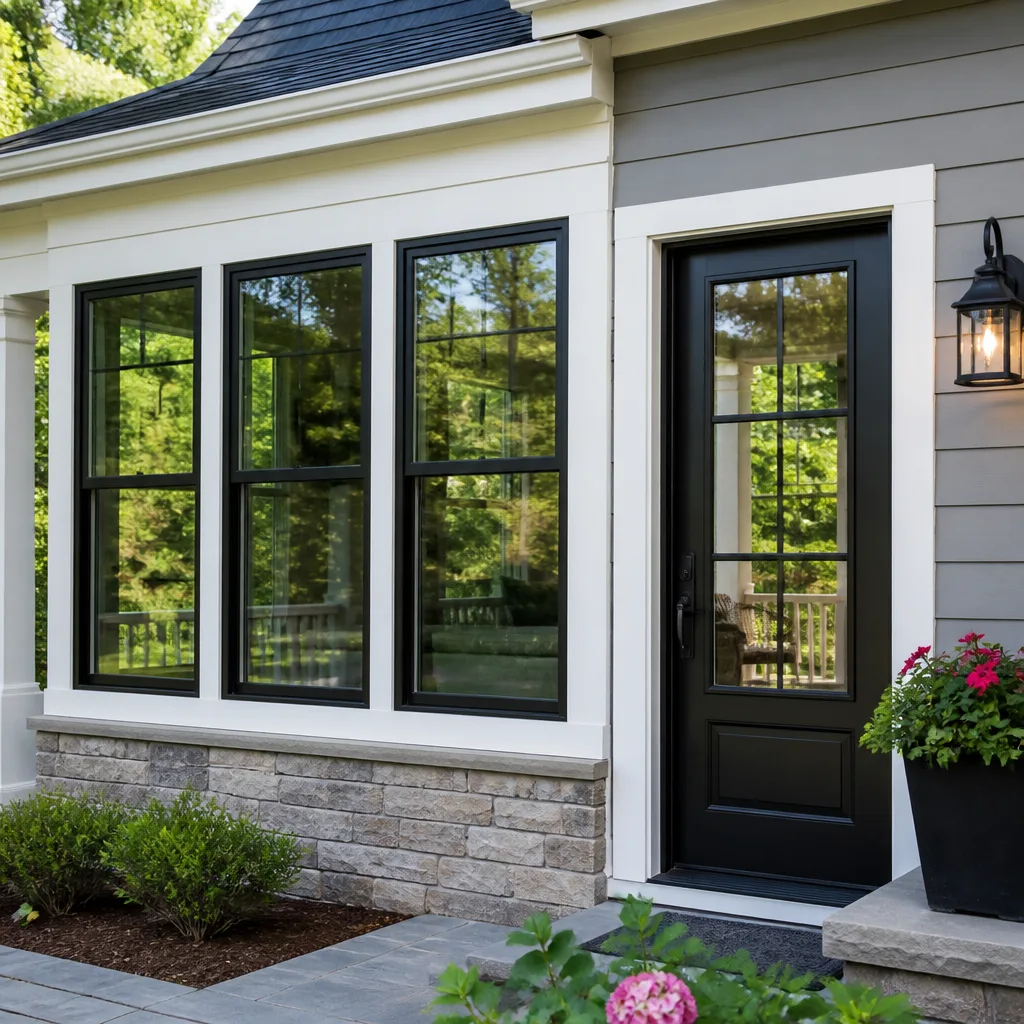
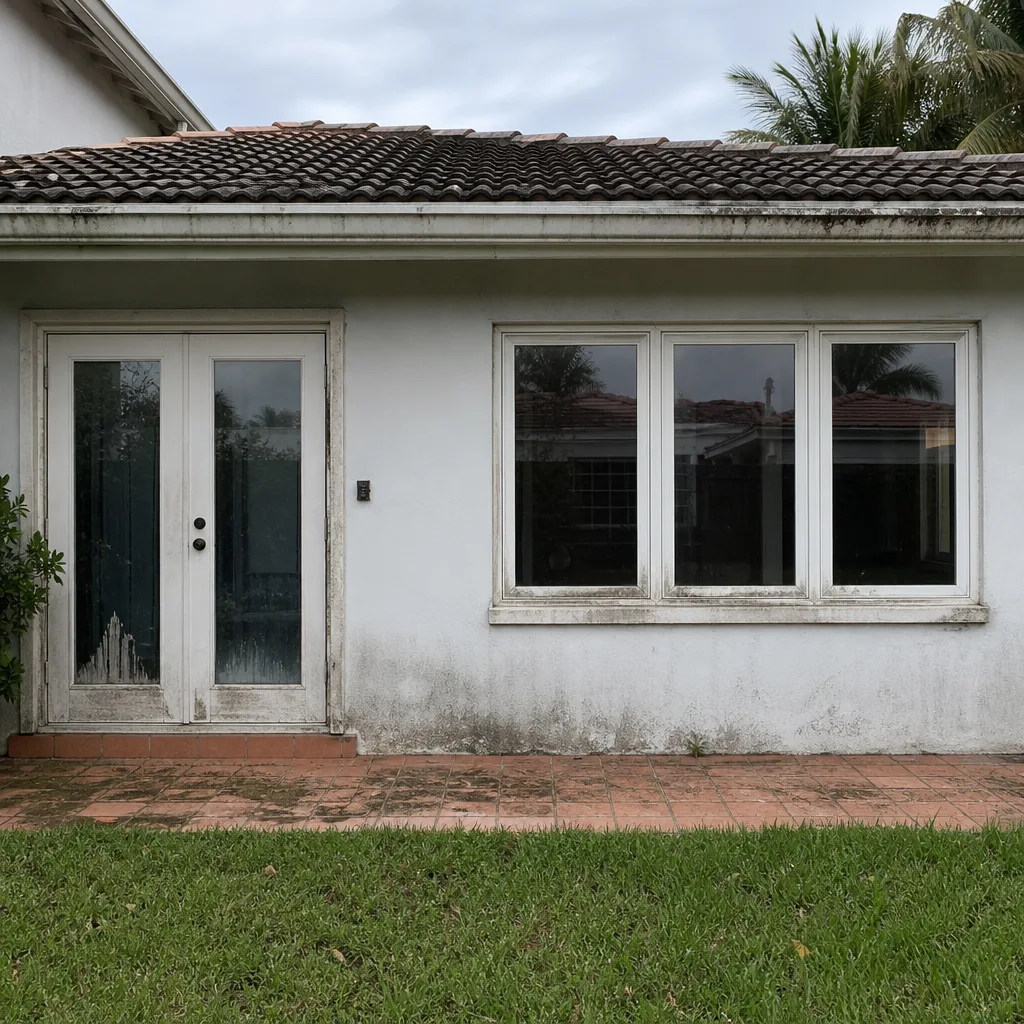 Before
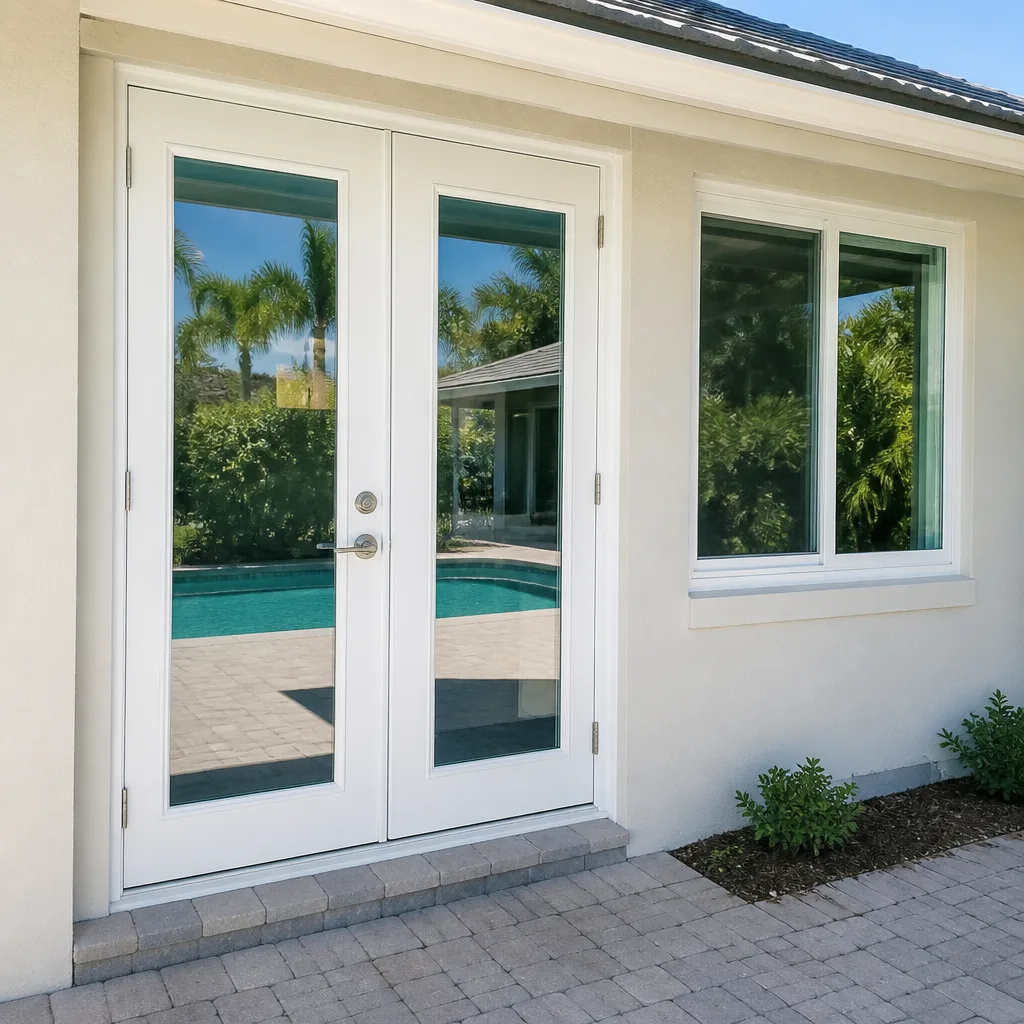 After
After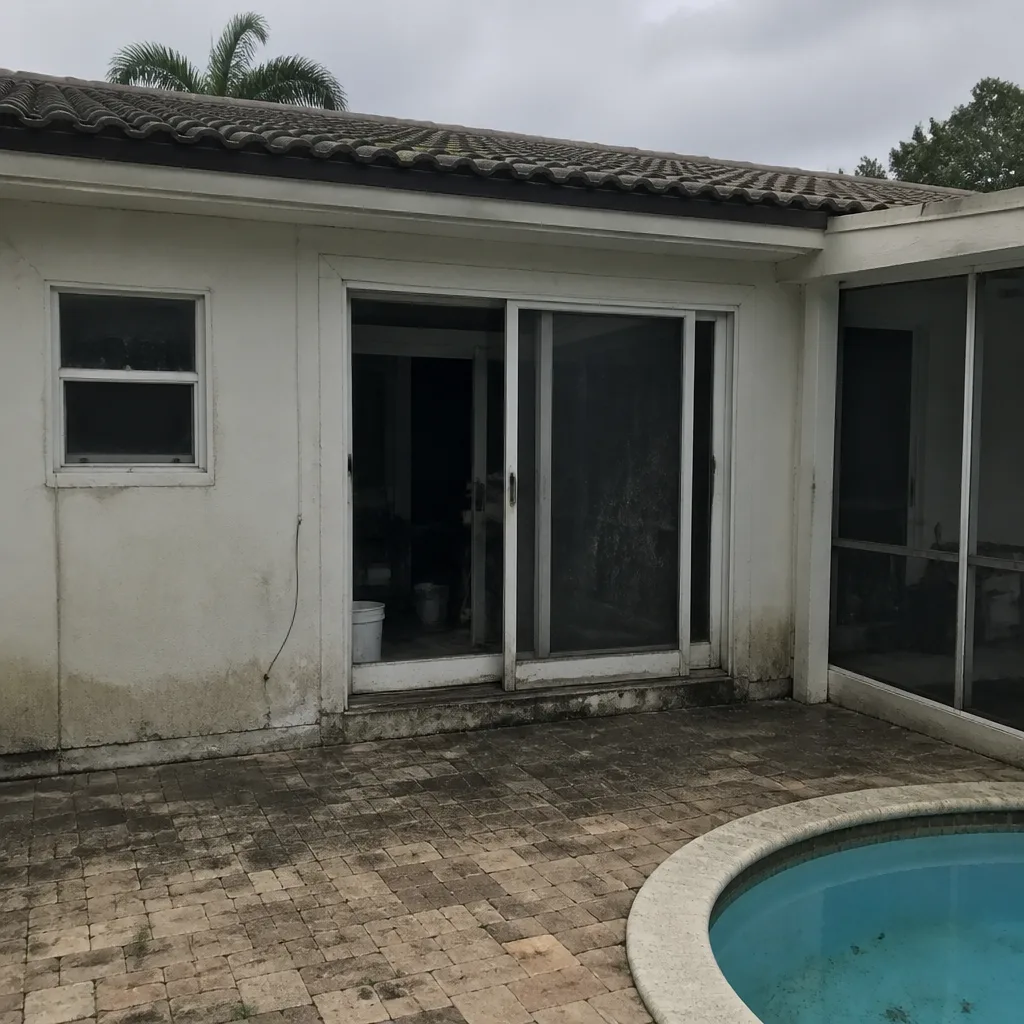 Before
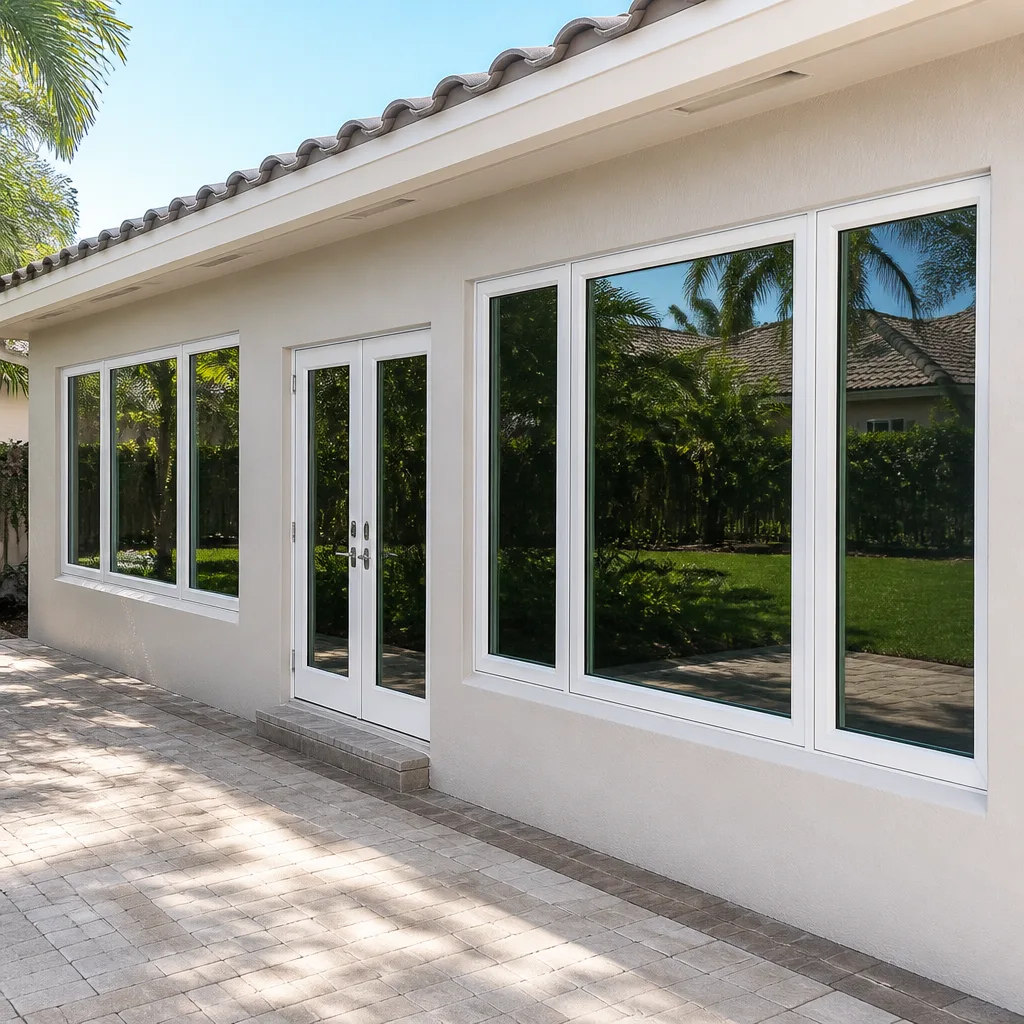 After
AfterWindows & Doors Cost Breakdown: The Fort Lauderdale Homeowner’s Reference for 2026
You’ve read the $300-per-window figure. It’s everywhere, repeated on forums and national cost guides as if a window in Des Moines and a window in Fort Lauderdale face the same physics. They don’t. A standard double-hung built for a mild climate costs about $300 to replace in Atlanta. The same opening in Fort Lauderdale, once you add impact-rated glass, NOA-compliant installation, Broward County permit fees, and labor from a crew that actually understands wind-borne debris zones, runs roughly double that before the first wall anchor goes in. This guide will show you the real 2026 numbers, line by line, so you can evaluate a quote honestly instead of hoping the low bid holds up. For more detail, see our complete guide to windows & doors in Fort Lauderdale. A fair price and a low price are not the same thing in South Florida.
Quick Answer
In Fort Lauderdale, expect to pay $600 to $1,800 per window installed in 2026, with the average three-bedroom home running $8,000 to $18,000 for a full impact-window replacement. Entry doors land between $1,500 and $4,500 installed, sliding glass doors from $2,500 to $7,000, and French doors from $3,000 to $8,000. The spread comes down to impact-rating tier, frame material, and whether your quote includes permits, inspections, and stucco repair or buries them as “extras” you discover at final invoice.
Table of Contents
- The Line-Item Cost Breakdown: What’s Actually in a Fort Lauderdale Quote
- Impact-Rating Tiers: Matching the Right Glass to Your Wind Zone
- Hidden Cost Triggers Most Quotes Bury in Fine Print
- Door Costs by Type: Entry, French, and Sliding Glass
- The 36500-Day Done Right Promise in Dollar Terms
- Broward County Permits, NOA Requirements, and Inspection Fees
- DIY vs. Professional Installation: What Fort Lauderdale Homes Actually Demand
- Common Mistakes to Avoid
- When to Call a Professional
- Frequently Asked Questions
- The Bottom Line
The Line-Item Cost Breakdown: What’s Actually in a Fort Lauderdale Quote
A legitimate Fort Lauderdale window quote is not one number. It’s a stack of line items, and the difference between a $600 window and a $1,800 window is usually visible in which lines appear and which ones are quietly omitted. National guides flatten all of this into “window replacement cost,” which is about as useful as “car cost” when you’re deciding between a sedan and a truck. Here’s how the stack breaks down for a standard 36″ x 60″ single-hung window in a concrete-block home in 2026:
- Window unit (frame and laminate glass): $280 to $650. An aluminum-frame single-hung starts lower, while vinyl with a thicker profile runs higher. This is the number most national guides quote as the total.
- Impact-rated glass upgrade: $150 to $400 per window. Laminated glass meeting Miami-Dade or Broward County standards adds real material cost. You’re paying for two layers of glass bonded to a PVB interlayer that holds the pane together when a branch hits it at 140 mph.
- NOA-compliant installation materials: $40 to $120. Anchors, sealants, and flashing specified by the Florida Building Code and the product’s Notice of Acceptance aren’t optional, and they’re not what big-box installers pull off a shelf.
- Broward County permit fee: $80 to $250 per opening, depending on the scope. Permits are priced per the valuation of the work. A full-house window replacement gets a permit plus scheduled inspections.
- Labor: $150 to $400 per window. This is where Fort Lauderdale diverges from national averages. A crew that does code-compliant retrofits on concrete-block homes, pulls the buck, and fixes the stucco correctly is not the crew bidding $99 per window installs.
- Stucco and exterior finishing: $75 to $250 per window. Removing a frame from a block wall damages the surrounding stucco. Somebody has to patch, prime, and blend it. If your quote doesn’t have this line, the contractor is assuming you won’t notice until after the truck leaves.
Add those lines and a modest single-hung in Fort Lauderdale lands near $700 to $1,100. Step up to a larger opening, a casement, or a geometric shape like a half-round or trapezoid, and you’re in the $1,200 to $1,800 zone without any padding. At Winslow Windows & Doors, we itemize every one of these lines on our quotes, so there’s nothing to “discover” at final invoice. Ed’s name is on the door, and on every job we do.
Impact-Rating Tiers: Matching the Right Glass to Your Wind Zone
Not every impact window is the same, and buying the wrong tier is how homeowners in Fort Lauderdale overspend by thousands or underspend into a false sense of security. Our Windows & Doors Warning Signs guide shows how to spot trouble before it becomes expensive. The two relevant approval standards are Miami-Dade County Product Control and Broward County’s acceptance of those same NOAs. Miami-Dade sets the strictest test protocol in the nation: large-missile impact at 140 mph, followed by 9,000 positive and negative pressure cycles. Products that pass get an NOA number you can look up.
Here’s what we tell homeowners standing in a showroom, staring at two windows that look identical but are $300 apart per unit:
- Know your wind zone. Fort Lauderdale sits entirely within the High Velocity Hurricane Zone (HVHZ), which means every replacement window must meet either Miami-Dade or Florida Building Code impact standards. If a contractor quotes you non-impact windows for a replacement, that’s a code violation and a lemon flag. Don’t sign it.
- Large-missile vs. small-missile. Large-missile-rated products are tested with a 9-foot 2×4 fired from a cannon at 34 mph twice. Small-missile products face steel balls at 80 mph. For openings below 9 feet in elevation, large-missile protection or shutters are required. In practice, large-missile is what you want on ground-level window and door openings in Fort Lauderdale homes.
- PGT WinGuard vs. the alternatives. Impact windows in Fort Lauderdale from PGT dominate the market for a reason: they’re engineered in Florida for Florida codes. The price premium over imports is real, usually $100 to $250 per window, and it buys you a documented NOA, a transferable warranty, and a product designed for salt air and humidity. CGI is the other name we install for homeowners who want a heavier aluminum frame. Both hold value in a way discount panels don’t.
- Match the product to your home, not your ego. A single-story ranch in Victoria Park doesn’t need the same product tier as a beachfront condo on Galt Ocean Drive. We’ve worked both. The beachfront unit faces relentless salt spray and higher wind loads, so it justifies a premium aluminum frame. The ranch house can save money with a vinyl impact window from ECO or Mr-Glass without sacrificing code compliance.
The practical difference in 2026 pricing: a large-missile, Miami-Dade approved PGT impact window in a standard size runs $550 to $1,100 for the unit alone, not installed. A small-missile import can be half that. The question is whether the savings is worth a window with no local warranty presence and a frame alloy that doesn’t like the Atlantic’s opinions. In our experience, it’s not.
Hidden Cost Triggers Most Quotes Bury in Fine Print
The most expensive windows in Fort Lauderdale are not the ones with high sticker prices. They’re the cheap ones with fine print. Every week, we walk into homes where a previous install left the owner with rotted bucks, cracked stucco, or windows that bow in the frame. The original quote looked fine. The final invoice is another story.
Here are the charges most commonly “not included” in low bids:
- Disposal fees. Old windows, glass, and aluminum frames don’t go in your green bin. Broward County disposal runs $25 to $75 per window for responsible hauling. Unscrupulous crews leave the debris at your curb or, worse, in a pile behind the house. If disposal isn’t on the quote, ask if they plan to use your garbage service.
- Structural buck repair. In older concrete-block homes built before 1990, the wood buck that frames the window is often softened by decades of humidity and termites. When we remove the old window, we frequently find the buck needs replacement at $85 to $200 per opening. A quote that doesn’t mention the buck assumes it’s fine. In a 40-year-old Fort Lauderdale house, that assumption is usually wrong.
- Stucco patching and paint. Removing a frame from a block opening chips the surrounding stucco. If the quote doesn’t include patching, you’ll have raw concrete and torn weatherproofing exposed to South Florida rain within weeks. Proper patching with matched texture is $75 to $250 per window. Skip it and you’ll be painting over water stains in two years.
- Interior casing and trim. Retrofit installations can be done without touching interior trim, but full frame-out replacements will disturb it. If your home has custom millwork or crown molding, confirm whether the quote includes removal and reinstallation, or whether you’re responsible for it.
- Shutter removal and reinstallation. If you have accordion or panel shutters over the existing windows, they have to be removed for installation and re-hung afterward. Some contractors don’t include that labor and leave you to wrestle 90-pound panels back into place. We include it in every quote for homes with existing shutters.
- Re-measure and change-order fees. Some companies quote off Google Maps or old building plans, then charge a “change fee” when the actual openings don’t match. We measure every opening in person before we write a price. There are no change orders at Winslow Windows & Doors because the quote is based on the actual house, not a guess.
Door Costs by Type: Entry, French, and Sliding Glass
Doors in Fort Lauderdale are not decoration. They are your home’s weakest structural point in a hurricane, and they are the largest single heat-transfer surface if they face west. The cost of a door is therefore not about the slab as much as it is about the frame, the glazing, and the weatherproofing built around it. Here’s what 2026 pricing realistically looks like, installed, with permit:
Entry Doors: $1,500 to $4,500
A solid Therma-Tru fiberglass entry door with impact glass sidelites starts around $1,800 and runs to $4,500 for a premium model with decorative glass and a custom finish. Fiberglass beats wood in Fort Lauderdale: it doesn’t swell in the humidity that defines our June through October, it doesn’t attract the termites that chew through old door frames in Sailboat Bend, and it carries an impact rating that wood rarely meets. Cheap steel doors with a single layer of glass run $1,200 to $1,800 installed, but you’ll feel the sun’s heat radiating through them by August and the frame will show rust within five years of salt air exposure.
French Doors: $3,000 to $8,000
Double-door configurations with impact-rated glass, either inswing or outswing, are the most expensive door type per square foot because the hardware, weatherstripping, and alignment requirements double. The outswing configuration preferred in Florida for wind pressure resistance costs more than inswing because the hinges and threshold have to be engineered to shed water outward. A $3,000 French door is usually an inswing with a basic frame. A $6,000 to $8,000 door is an outswing, large-missile rated unit with multi-point locking hardware and a bronze or painted finish that can take the coastal air.
Sliding Glass Doors: $2,500 to $7,000
Sliders are where PGT and CGI dominate in Fort Lauderdale. A standard 8-foot two-panel impact slider starts around $2,500 and a three-panel with integrated blinds can hit $7,000. The price difference is in the track system: heavy Miami-Dade rated panels need a reinforced track anchored to the slab, not a flimsy aluminum rail. If your slider quote is under $2,000 installed, you’re getting a light-duty door with a track that will bind within three years. Check the screen package too. Fort Lauderdale’s no-see-ums laugh at standard mesh.
All of these door types fall under our window replacement services in Fort Lauderdale, and door quotes come with the same line-item breakdown as windows: product, hardware, weatherproofing, permit, labor, and finish. There are no “door-only” prices because a door never goes in by itself; it goes into an opening that has to be sealed and inspected.
The 36500-Day Done Right Promise in Dollar Terms
Every window company in Fort Lauderdale says they back their work. Most mean they’ll answer the phone for a year if you’re polite. A five-year workmanship warranty is the industry standard. A ten-year warranty is considered generous. Our promise is 36500 days. That’s 100 years. If it’s not done right, we make it right, period.
Here’s why that matters in dollars, not sentiment. A window installation has two cost phases: the initial install and the eventual correction. A cheap installer quotes you $500 per window but knows the caulking will shrink in 18 months, the weep holes will clog because they didn’t clean the track after drilling, and the frame will let in air because they didn’t shim it correctly. The $500 window becomes a $900 window once you pay a different contractor to fix the air leaks and patch the stucco that cracked from frame movement. That callback cost is real money. It’s just not on the original invoice because the original contractor doesn’t intend to pay it.
Our pricing reflects the first-time cost of doing it correctly: proper flashing, correctly spaced anchors sized for the block, sealant applied to the manufacturer’s specification, a clean opening with no debris left in the track, and a permit pulled and closed. You pay for the window once. The promise means we pay for any correction, not you. In dollar terms, a $1,100 window with a 36500-day promise costs less than a $700 window from a crew that won’t return calls in 24 months.
If you’re comparing window installation quotes in Fort Lauderdale, ask the seller what happens in year 12. Ours is a century. That’s the difference between a contractor who is counting on your short memory and one who put his name on the building.
Broward County Permits, NOA Requirements, and Inspection Fees
Fort Lauderdale is not a city where you skip the permit. It’s a city where the building department’s inspector is going to check the NOA label on your glass, the anchor spacing on your frame, and the pressure rating of your product against the wind-zone map. That’s not bureaucracy. That’s codified survival. Homes here face a Category 4 or 5 storm within a 50-year ownership cycle, and Broward County doesn’t want to rebuild your house because a contractor saved $400 on permits.
What you can expect in 2026 for a whole-home window or door replacement:
- Permit application and review: $150 to $500 depending on the job valuation. Window and door replacement is typically a straightforward permit, but some neighborhoods with historic designations, like parts of Colee Hammock or Sailboat Bend, add preservation review layers that add cost and time.
- Inspections: Window and door installs usually require two inspections: a rough inspection (anchor and buck condition before the unit goes in) and a final inspection (product NOA verification, sealant, and operation). Each inspection carries a fee of $75 to $150 per visit. Most of the cost is time: the crew has to schedule, wait, and fix any findings.
- Notice of Acceptance product documentation: Each window or door model installed in Broward County must have a valid NOA number from Miami-Dade or Florida Product Approval. A credible contractor submits a product approval packet with the permit application. If your contractor can’t produce the NOA for the specific model quoted, run.
- Wind-zone verification: Fort Lauderdale’s zoning maps split the city into exposure categories based on proximity to the Atlantic and canal frontage. A home on a canal in Rio Vista faces different wind-load requirements than a house inland in Melrose Park. Your quote should specify which exposure category the product is engineered for.
We’ve handled permits in Fort Lauderdale for over a decade, and the process is rhythmic for us. We file, we schedule inspections, we close the permit after final sign-off, and you get the paperwork. If a contractor offers to skip the permit to save you $200, understand that you’ve just accepted liability for an unpermitted installation that your insurer can use to deny a storm-damage claim later.
DIY vs. Professional Installation: What Fort Lauderdale Homes Actually Demand
Watch a window installation video on any platform, and it looks doable: pop the stops, pull the sash, bed the new unit in sealant, screw it in. That video was not filmed in a 1954 concrete-block ranch in Fort Lauderdale with a rusted buck, 60-year-old stucco, and a wind-load requirement that would fail a Mississippi window. The gap between a DIY video and a Florida code-compliant installation is the gap between a cabinet project and rewiring your panel.
Here’s what the DIY homeowner in Fort Lauderdale is actually dealing with:
- NOA compliance. Your installation is part of the product approval. Installing an impact window with the wrong anchors or the wrong spacing voids the NOA and, with it, your insurance discount and your building code standing. A standard drill and a trip to the hardware store do not produce an NOA-compliant retrofit.
- Structural anchors in block. Fort Lauderdale homes are concrete block, not wood stud. Setting a window properly requires hammer-drilling holes, inserting stainless or code-approved anchors, and torquing them to spec. Too shallow and the window pulls out under pressure. Too deep and you’ve cracked the block. There’s no undo.
- Weatherproofing. Correct flashing and sealant application is not optional in a place where afternoon thunderstorms are a daily summer occurrence. A window that leaks in Broward County’s humidity is a mold factory within a season. We’ve seen DIY installs where the sealant was applied so heavily that the weep holes were clogged, trapping water inside the frame until the interior drywall dissolved.
- Heavy lifting and height. Impact window units weigh between 60 and 150 pounds depending on size. A second-story window requires ladder work, heavy lifting, and precision at height. A dropped unit is a $600 loss and, if it falls on a person, a trip to Broward Health’s trauma center.
The economics rarely favor DIY for impact windows in Fort Lauderdale. Labor is $150 to $400 per window, and for that, you’re buying someone else’s liability, their tools, their permit runs, and their guarantee. It’s the rare job where doing it yourself can cost more than paying the person who does it every week.
Common Mistakes to Avoid
- Comparing a Fort Lauderdale quote to a national average. The $300-per-window figure assumes a mild climate and a wood-frame house. Neither exists in Broward County. If your quote is $600 and you’re shocked, you’re not being overcharged. You’re being quoted for the right product.
- Choosing large-missile protection where you don’t need it, or skipping it where you do. Not every window in Fort Lauderdale requires large-missile rating, but ground-level openings below 9 feet do. Paying for it on second-story windows with balcony cover is overbuying. Skimping on it at your front door is a regulatory and insurance exposure.
- Accepting a verbal quote with no line items. “About $12,000, we’ll handle everything” is not a quote. It’s a mood. Legitimate Fort Lauderdale contractors itemize product, permit, labor, and finishing. If it’s not on paper, the conversation later will go differently than you remember.
- Not checking the NOA number on the actual product quoted. Some quotes list a premium product and then deliver a lookalike from a factory you’ve never heard of. Every impact product carries an NOA or Florida Product Approval label. Verify the model number on the quote matches the label before installation.
- Ignoring the stucco patch line item. It’s the most common “surprise” in Fort Lauderdale window replacements. The window goes in fine. The contractor leaves. Your exterior walls look like they’ve been in a fight. Stucco repair is not optional and it’s not free.
- Buying on energy labels alone. The U-factor and SHGC stickers matter, but in Fort Lauderdale, the bigger cost variable is impact rating and frame durability. A window can have great numbers and weak structural engineering. You’re buying a piece of hurricane protection that lets light in, not a skylight with glass.
- Not asking about the year-10 scenario. Every window looks good the day it’s installed. The question is what it looks like in 2036, and who picks up the phone when the seal fails or the roller binds. That’s the difference between a price and a cost.
When to Call a Professional
Some situations don’t reward hesitation. If you see daylight around a window frame, feel water pooling under the slider during a summer storm, or notice the frame flexing when wind gusts push against the glass, the window has already failed structurally. That’s not a caulk-and-pray fix. It’s a replacement, and the longer you wait, the more water intrusion and buck rot you’re paying to remediate. Same story with a door that won’t close squarely, a lock that jams, or a frame that’s soft to the touch. In a concrete-block Fort Lauderdale home, the window or door opening is a structural element, not a trim piece. A mis-set window transmits wall pressure unevenly, and the crack that appears in your ceiling is the first warning. Winslow Windows & Doors offers free estimates in Fort Lauderdale. Call (904) 913-5886, and a live person picks up, 24/7. Not a voicemail, not a call center. A person who knows the difference between a NOA and a U-factor.
Frequently Asked Questions
A full window replacement in an average 1,800 to 2,500 square foot Fort Lauderdale home runs $8,000 to $18,000 in 2026, depending on window count, impact-rating tier, and frame material. Smaller condos with 6 to 8 openings come in between $5,000 and $10,000, while larger single-family homes with 18 to 25 windows, multiple sliders, and geometric windows can reach $30,000 or more. Call (904) 913-5886 for a free, itemized estimate based on your actual openings, not a square-footage formula.
Impact-rated glass and NOA-compliant installation are the two biggest cost drivers specific to Fort Lauderdale. Laminated storm glass adds $150 to $400 per window just in raw materials, and labor from a crew that pulls permits, closes inspections, and anchors frames to block costs more per hour than in markets where installers screw wood-frame windows into studs. The product tier you choose matters more than any other single line item.
Yes. Broward County requires a permit for window and door replacement when the product is being changed out, and Fort Lauderdale’s building department enforces it. The permit validates the product’s NOA against your wind-zone designation and schedules inspections for anchor spacing and sealant. An unpermitted install voids insurance benefits and can get flagged during future appraisals or roof work. Legitimate contractors include permit fees in their quotes.
For most Fort Lauderdale homes, yes. They provide permanent storm protection without the annual ritual of installing and removing shutters, they reduce exterior noise and UV damage to furniture, and most insurers offer premium discounts for documented, NOA-approved impact protection. A window that does not meet HVHZ code is a liability on its own: any post-storm claim can be denied if your glazing wasn’t compliant. Call (904) 913-5886 to walk through the numbers for your specific wind zone.
Aluminum-frame impact windows from brands like PGT and CGI typically last 30 to 50 years on Fort Lauderdale homes, with laminated glass holding its clarity for decades if the frame and seals are properly installed and maintained. Vinyl frames, especially budget imports, can warp in direct sun and salt exposure. The seal between the glass layers is the first failure point typically, and that’s what a workmanship warranty should cover beyond year five. Our promise covers the install for 36500 days, so the frame and mounting are not your problem, ever.
The spread comes down to the track and the glazing. A light-duty sliding door with a basic aluminum track and single-pane or low-impact glass can quote out at $1,800. The same opening fitted with a heavy Miami-Dade three-panel PGT door on a reinforced track with integrated insect protection and high-performance glass runs $6,000 to $7,000. The two doors look similar on paper. They don’t look alike when a Category 4 is arriving. Itemize the quote and compare the actual product model, not the door type.
The Bottom Line
Windows and doors in Fort Lauderdale are priced by the conditions they have to survive, not by what a window costs in a place with mild weather and lax codes. The real 2026 numbers are $600 to $1,800 per window, $1,500 to $4,500 for entry doors, and $2,500 to $8,000 for sliders and French doors, with the spread driven by impact tier, frame material, and whether the quote is honest. The cheapest quote is rarely the cheapest job once disposal fees, buck repair, stucco patching, and permit management appear as “extras.” A fair, itemized price with a real warranty paid for up front is the cheapest way to own a strong window in this climate. The one down the road is Winslow Windows & Doors. Call (904) 913-5886 for your free, line-by-line estimate.
Written by Ed Winslow, Owner at Winslow Windows & Doors, serving Fort Lauderdale since 2011. Browse more guides & resources from our team.
Six Reasons Homeowners Choose Winslow Windows & Doors
Impact systems engineered to design pressures up to +/-100, matched to your wind zone - your openings hold when the storm arrives.
Low-E insulated impact glass from our manufacturer lines commonly cuts monthly cooling bills 20-30%.
Laminated impact glass shuts out up to 40% of outside noise - traffic, neighbors, weather.
Monitoring services run $30-90 a month. Laminated impact glass resists forced entry around the clock, with no subscription.
Florida homeowners average around 25% savings on the windstorm portion of their policy after protecting every opening - some homes qualify for more.
A full impact package upgrades curb appeal, buyer confidence and appraised value in one project.