
Last updated August 27, 2026
Free in-home measure and quote - PGT, CGI and CWS impact lines compared on your actual openings, style by style
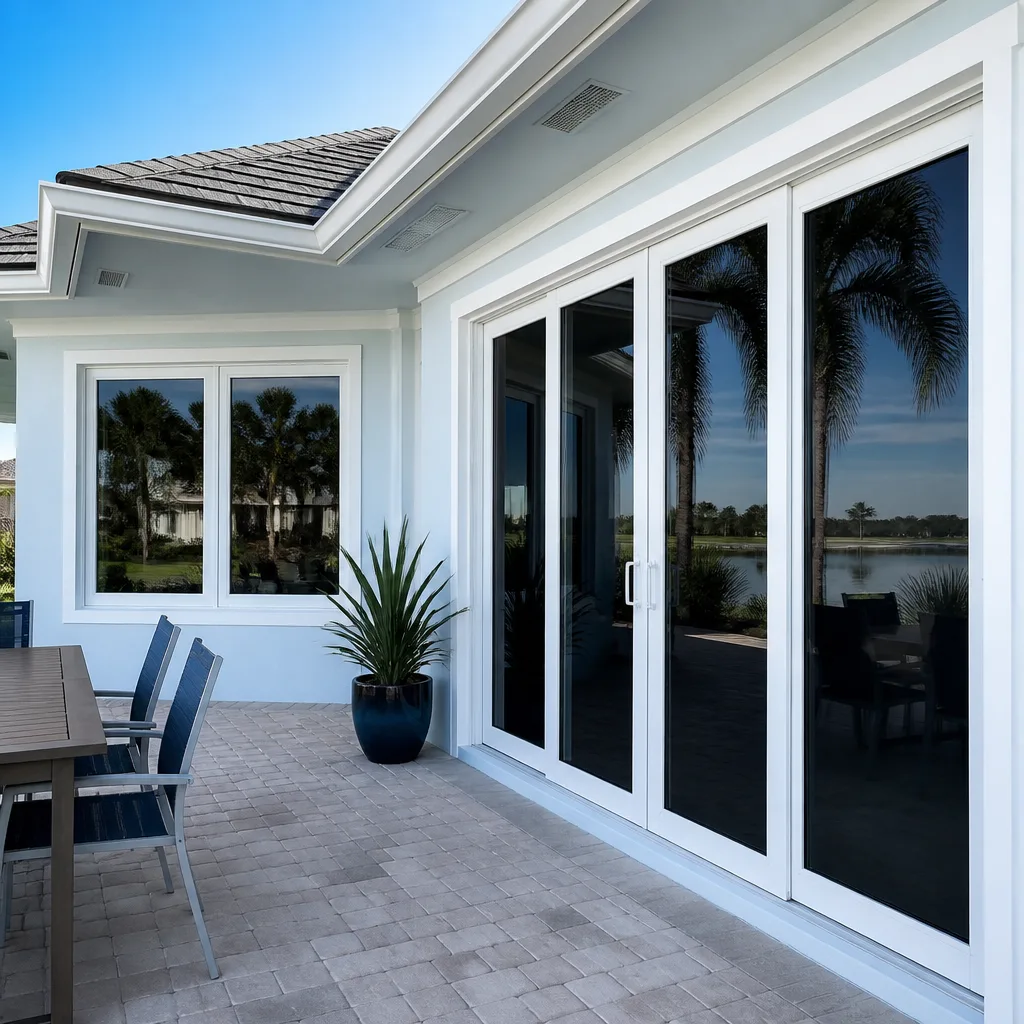
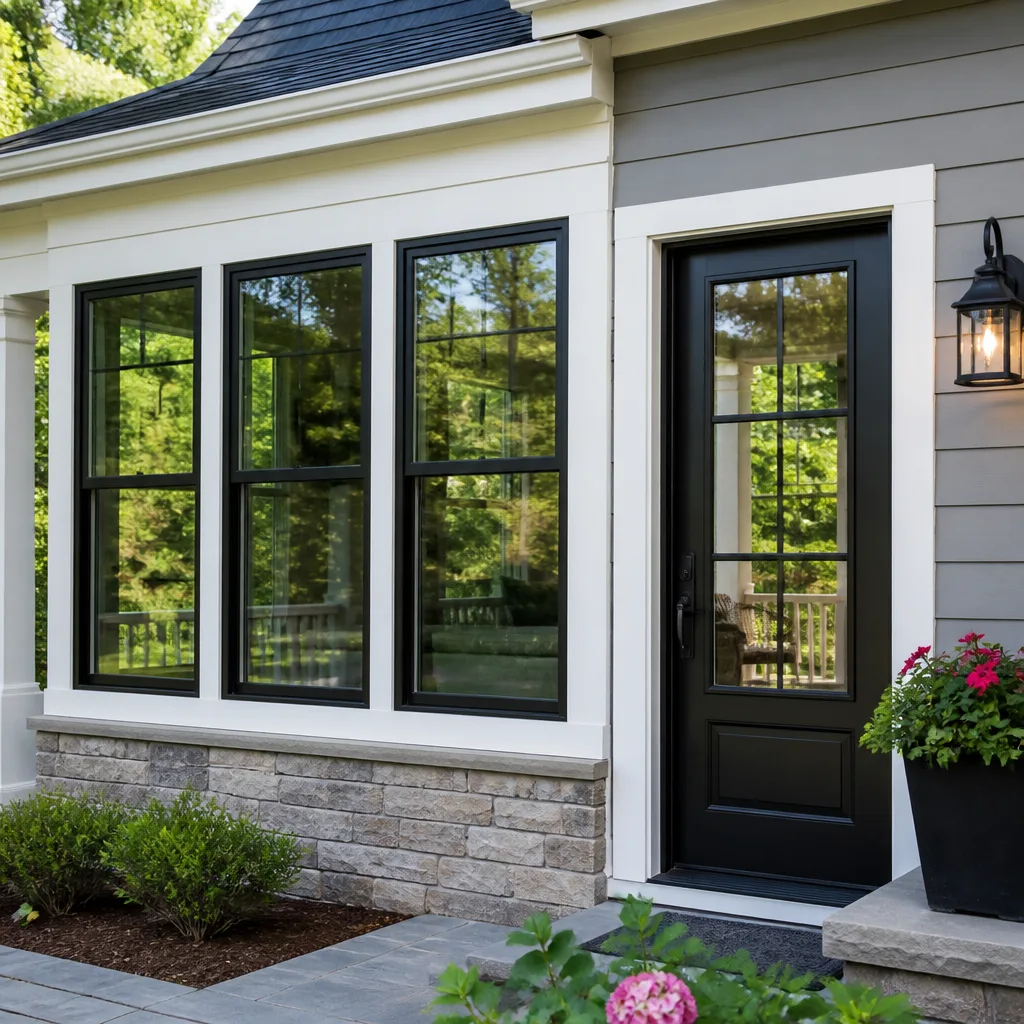
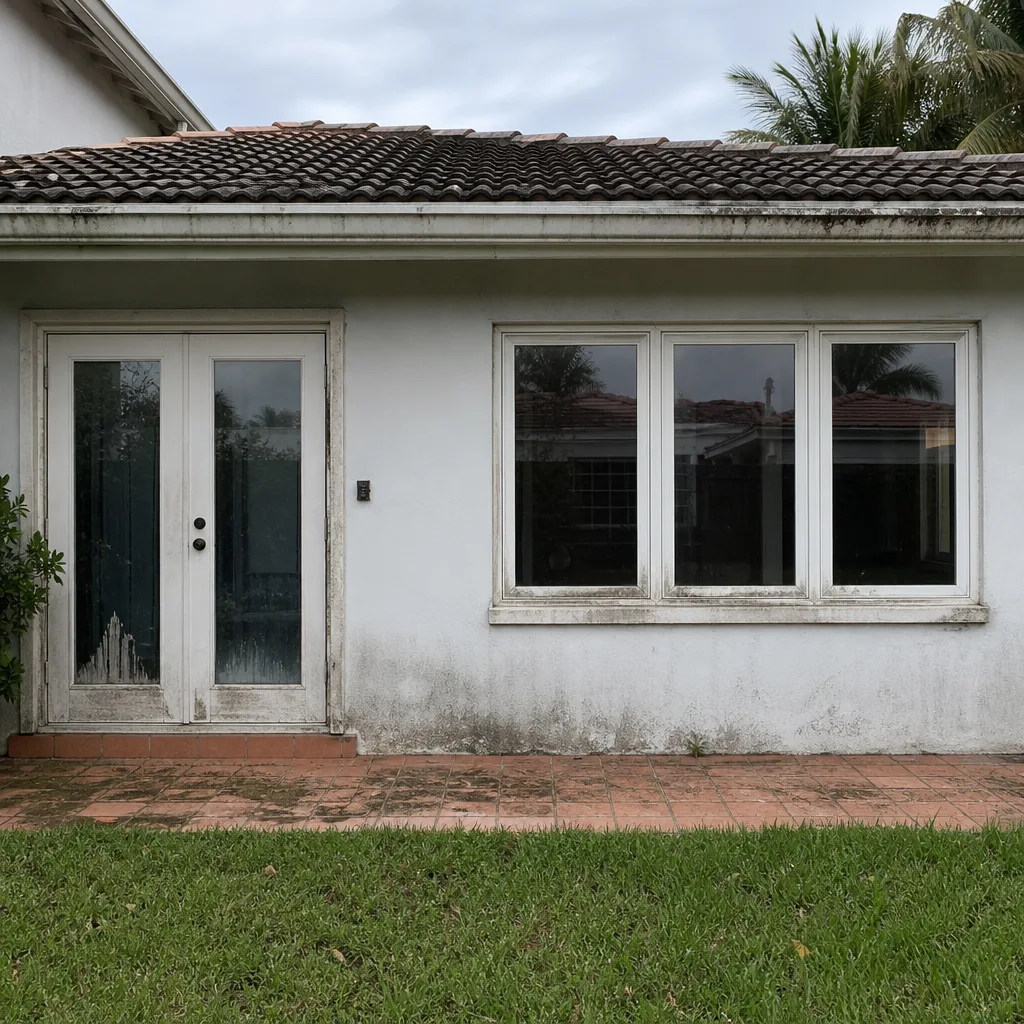 Before
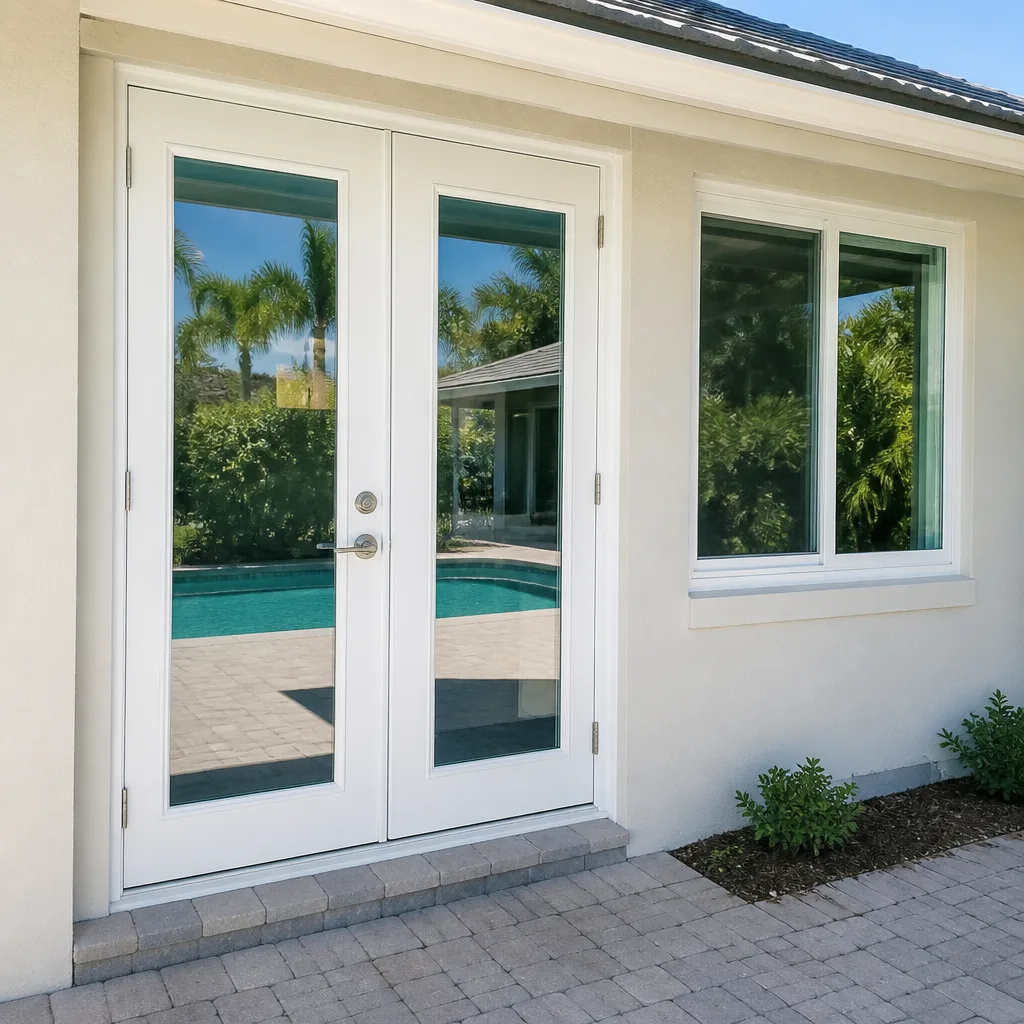 After
After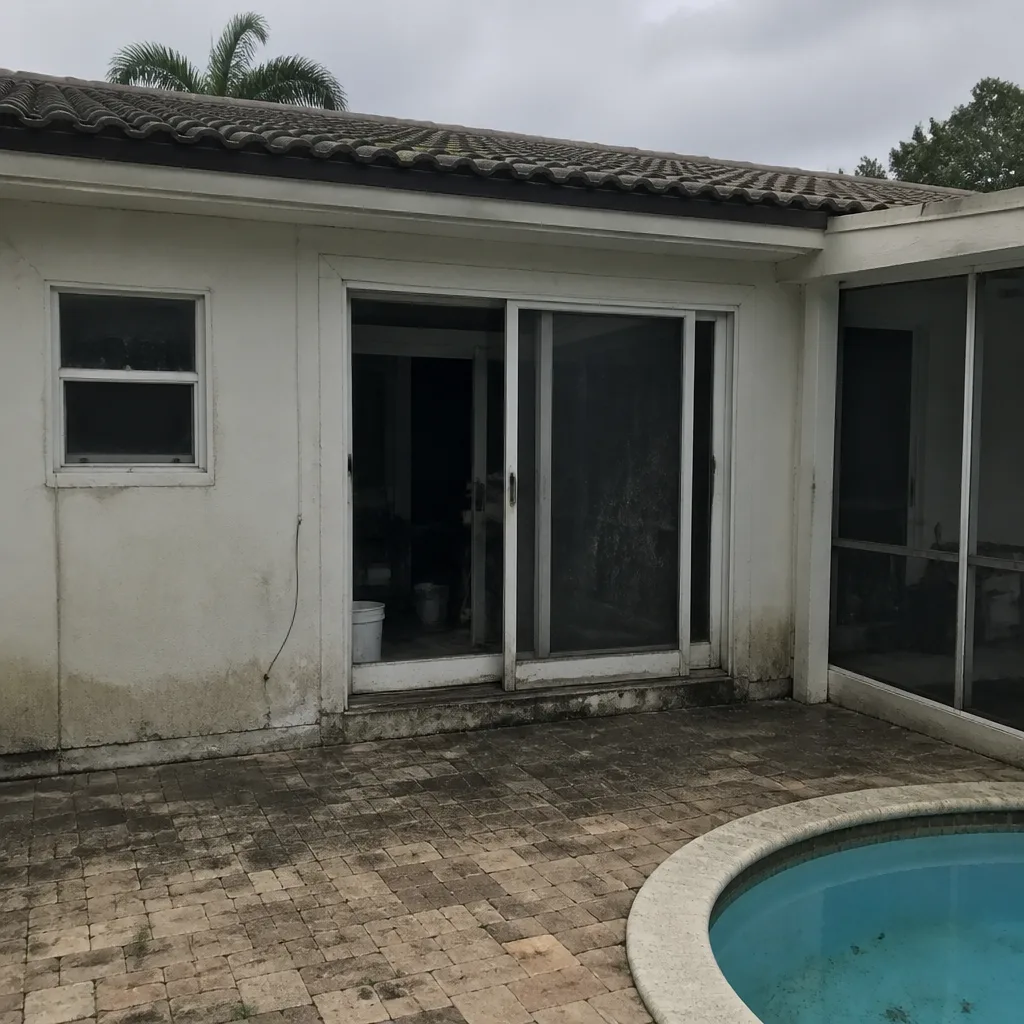 Before
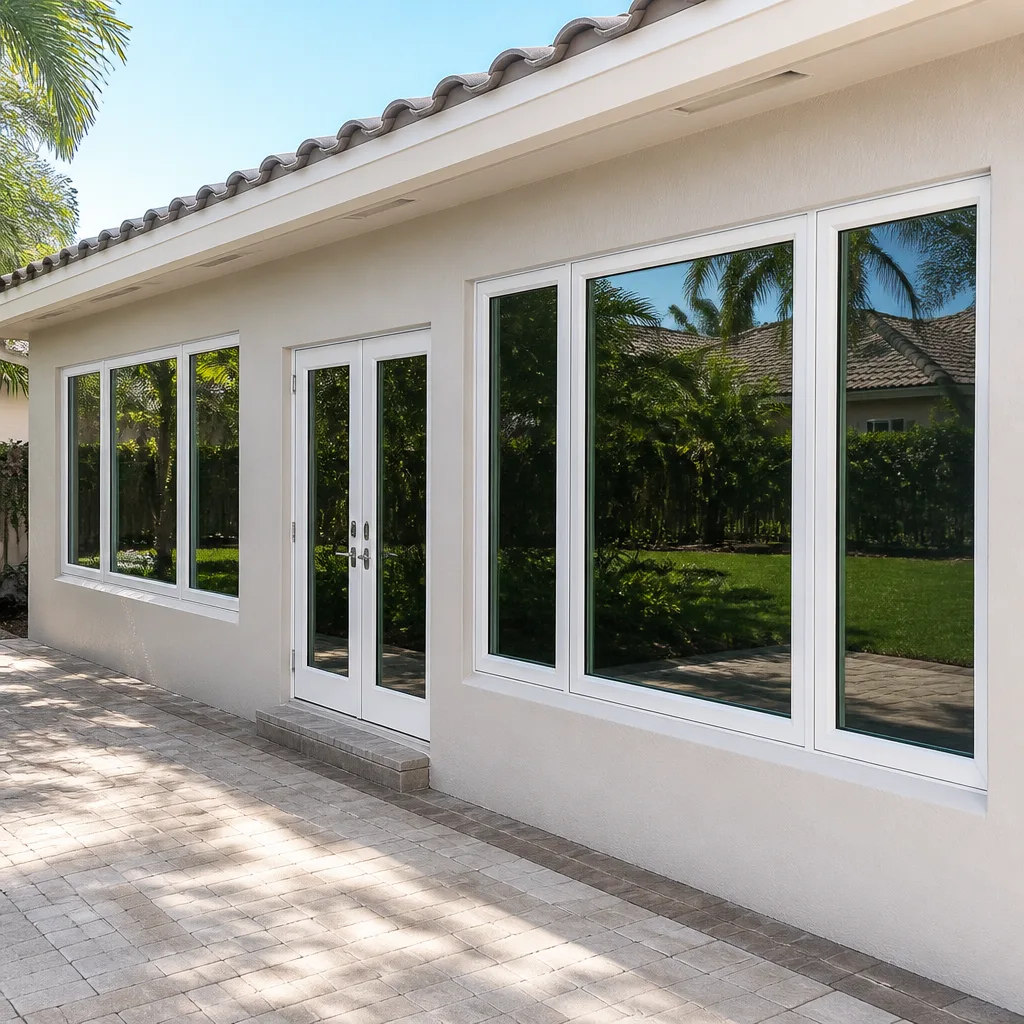 After
AfterWindows & Doors Warning Signs: A Fort Lauderdale Homeowner’s Reference Guide
Here’s something most Fort Lauderdale homeowners don’t realize until it’s too late: the window that sticks in summer, the door that only latches when you lift the handle, the faint white haze between panes of glass - none of these feel like emergencies. But in a coastal climate where heat, humidity, and hurricane-force winds punish building materials daily, each one is a message. Your windows and doors are telling you something about their structural health, their impact rating, and the condition of the walls they’re mounted in. This guide - along with our The Complete Guide to Windows & Doors in Fort Lauderdale - teaches you to read those messages the way a contractor does, so you can spend $200 on a repair now instead of $4,000 on a replacement after the next storm.
Quick Answer
The most serious window and door warning signs in Fort Lauderdale are hidden failures, not visible cracks: condensation between glass panes means the seal has failed and the insulating gas is gone; doors that stick only in summer usually indicate frame rot or water intrusion, not humidity alone; and any impact window or door with chipped glass edges, rusted hardware, or a loose frame has lost its hurricane rating even if it still looks fine. The practical takeaway: learn the difference between cosmetic wear and structural compromise, and you’ll know whether to repair, replace, or simply keep watching.
Table of Contents
- Condensation and Fog: Cosmetic Annoyance or Failed Glass Unit?
- Impact Windows: The Hidden Signs of a Compromised Hurricane Rating
- Door Misalignment: What Your Door Is Trying to Tell You
- Salt Air and Corrosion: The Slow-Motion Threat to Hardware and Frames
- Drafty Windows: Weatherstrip Replacement vs. Full-Frame Failure
- Hidden Frame Rot: The Scourge of Coastal Florida Homes
- When to Call a Professional
- Frequently Asked Questions
Condensation and Fog: Cosmetic Annoyance or Failed Glass Unit?
Foggy windows in Fort Lauderdale are not a humidity problem you can wipe away. A failed insulated glass unit (IGU) shows up as a persistent haze or actual droplets between the two panes of glass, and no amount of cleaning from either side will touch it. Window glass in a humid coastal climate is under enormous stress: the air inside the sealed unit expands and contracts daily as temperatures swing from 60 degrees in January to the mid-90s in August. When the seal around the perimeter of the glass fails, moist air rushes in, and the pane fogs permanently. Here’s the critical difference: water on the room-side surface of the glass is purely ambient humidity and says nothing about window health; water between the panes means the unit is dead and no longer providing its rated insulation or impact performance. In our experience in Fort Lauderdale, an IGU that fogs typically loses 30 to 50 percent of its insulative value. If your windows are single-pane or were built before 2002, they likely lack the low-emissivity coatings and argon gas fills that current energy codes require. Treat interior condensation as a ventilation question. Treat inter-pane fog as a window failure.
The test is simple. Run your finger across the glass. If the moisture is on the surface you can touch, the glass is fine. If it disappears when you change your viewing angle, the fog is inside. Once a unit has failed, there is no repair that restores it. Replacement of the glass sash, or of the full window if the frame has also degraded, is the only durable fix.
Impact Windows: The Hidden Signs of a Compromised Hurricane Rating
An impact window can look brand new and be functionally useless in a storm. Impact-rated windows and doors in Fort Lauderdale are engineered as a system: laminated glass, heavy-duty frames, reinforced hardware, and anchoring methods that transfer wind loads into the structure of the house. If any one of these components degrades, the entire unit’s rating is gone. The most common warning signs we’ve seen are subtle: chipped or delaminating edges on laminated glass, discoloration or rust on the hinges and fasteners, a frame that feels loose when you press on it, and caulking or sealant that has pulled away from the frame or the wall. Each of these may seem minor, but during a Category 3 or higher storm, water and wind pressure exploit any gap, and a loose impact window can become a missile generator rather than a barrier. If your home carries windstorm insurance credits for impact-rated openings, a compromised window or door can also put those credits at risk. The South Florida Building Code requires impact protection on new construction and major renovations, but older homes grandfathered in - particularly in neighborhoods like Victoria Park, Sailboat Bend, and Rio Vista - often have mixed windows, some impact-rated and some not. Know which openings are truly rated, and if any have visible edge, frame, or hardware damage, treat them as unprotected until a qualified installer confirms otherwise. Brands like PGT and CGI build windows tested to Miami-Dade County standards, and when properly installed by a Fort Lauderdale impact window specialist, they perform as designed. When skipped or degraded, even the best-rated unit fails.
Door Misalignment: What Your Door Is Trying to Tell You
Doors that stick, scrape, or refuse to latch are not all telling you the same story. The pattern of the misalignment points to the root cause. A door that sticks at the top on the latch side usually means the hinges are wearing or the top hinge screws have loosened - a five-dollar, ten-minute fix. A door that sticks uniformly along the latch edge in the summer and operates fine in winter is telling you the slab or the frame is absorbing moisture and swelling; in Fort Lauderdale’s 70-percent average humidity, this often means the door’s bottom seal or threshold is no longer keeping water out. A door that shows a widening gap at the top and a tightening gap at the bottom - or vice versa - is telling you something structural is moving: the frame has pulled away from the jamb due to rot, or in worse cases, the foundation or slab has shifted. Coastal soil in South Florida moves; clay and sand layers expand and contract with seasonal groundwater changes. If the door’s misalignment changes after heavy rain, monitor it closely. If the problem persists or worsens, you need someone who understands how doors and windows frame into South Florida construction, because the fix may involve reframing the rough opening rather than planing the door. We tell Fort Lauderdale homeowners: isolated sticking is a door problem; progressive misalignment is a house problem.
Here’s how to diagnose your door in three steps:
- Check the reveal. Look at the gap between the door slab and the frame on all three sides. A consistent quarter-inch gap everywhere is healthy. Inconsistent gaps mean movement or installation issues.
- Check the screws. Open the door and inspect the hinge screws on both the door and the frame. Loose screws let the door sag; tighten them and see if the problem resolves.
- Check the threshold. With the door closed, look for daylight or feel for drafts under the threshold. Water and air intrusion at the threshold are the leading causes of hidden frame rot in Fort Lauderdale homes.
Salt Air and Corrosion: The Slow-Motion Threat to Hardware and Frames
Fort Lauderdale’s salt air is relentless. Homes within a few miles of the ocean - think Coral Ridge, Harbor Beach, or Las Olas Isles - face corrosion rates that inland homeowners never see. Salt accumulates on window tracks, hinges, locks, and door thresholds. Mixed with humidity, it forms a slow corrosive bath that eats through finishes, pits metal, and eventually freezes moving parts. The early warning signs are easy to dismiss: a white, chalky residue on aluminum frames; a lock that feels gritty; a door handle with a greenish tinge; a sliding glass door that takes more effort than it used to. These are not annoyances. By the time a sliding glass door in a salt-air environment becomes hard to operate, the rollers are typically gone and the track has heavy pitting. If ignored, the only repair is full hardware replacement - and sometimes the entire door, because the frame has corroded around the hardware fasteners. The first rule of coastal corrosion is rinse. The second is protect. We recommend homeowners within two miles of the ocean rinse window and door tracks with fresh water every 60 to 90 days, and treat visible metal parts with a corrosion inhibitor designed for marine environments. But if you’ve inherited years of neglect, a free inspection is the fastest way to know whether you’re in repair or replacement territory. High-grade hardware from brands like Therma-Tru resists salt corrosion better than big-box alternatives, but nothing is immune to the Florida coast. The difference between coastal Fort Lauderdale homes and inland ones is visible at the hardware level almost immediately.
Drafty Windows: Weatherstrip Replacement vs. Full-Frame Failure
Not every draft means you need new windows. In Fort Lauderdale, where air-conditioning runs nearly year-round, a draft translates directly to a higher FPL bill, so it’s worth diagnosing quickly. The fastest test: on a breezy day, hold a lit stick of incense near the edges of a closed window and door. If the smoke drifts, air is moving. Next, check where. Weatherstripping - the compressible gaskets and felt strips around the sash and frame - wears out every five to ten years in Florida’s heat and humidity. When the weatherstripping is flat, cracked, or missing, the fix is a simple materials replacement, often under $100 per window. But if the draft comes through the frame itself - around the outside of the window, between the frame and the drywall - you’re looking at a bigger issue: the window was never properly sealed or insulated during installation, or the surrounding wall has developed gaps from structural movement or rot. In that case, new weatherstripping won’t help, and the window may need to be pulled and reinstalled. A third possibility is sash misalignment: if the top and bottom sashes don’t close squarely, air flows around the meeting rail. This is common in older Fort Lauderdale homes with wood windows that have held up poorly in the humidity. Each problem has a different fix and a different cost. That’s why a precise diagnosis matters more than an estimate. A window company that quotes a full window replacement in Fort Lauderdale before testing the seal and inspecting the frame is guessing. You want a contractor who tests, then talks numbers.
Here’s the five-minute draft diagnosis in order:
- Close and lock every window and door. Locks pull the sash tight; an unlocked window will always feel drafty.
- Run the incense test around all four edges of each window and the full perimeter of each door. Mark any smoke movement with a small piece of painter’s tape.
- Inspect the weatherstripping by eye and feel. Pinch it. Healthy weatherstripping bounces back; dead weatherstripping stays compressed.
- Look for daylight around the corners of the frame. If you can see outside without opening anything, the window is not sealed to the house.
- Check frame stability. Press firmly on the top and bottom of the frame - it should not flex or move. Movement means the frame has pulled away from the rough opening, and a draft is the least of your worries.
Hidden Frame Rot: The Scourge of Coastal Florida Homes
Frame rot is the window problem that costs real money, primarily because it stays hidden until the damage is extensive. In Fort Lauderdale, wood window and door frames can stay wet for months after a single driving rain, especially on east-facing exposures. Early rot feels like a soft spot around a corner joint or along the sill. Left unchecked, it spreads inward into the wall cavity, compromising the structural header and eventually requiring drywall and framing repair in addition to the window replacement. The classic Fort Lauderdale scenario: a homeowner notices paint blistering around a window frame and covers it with a fresh coat of paint. A year later, the window falls out of the wall during a storm. The expensive part is never the window; it’s the rotted framing behind the window. The warning signs are visible if you know what to look for: bubbling or cracking paint around the frame perimeter, especially at the bottom corners; visible mold or mildew trails running down from the sill; caulking that has separated from the frame or the stucco; and a musty smell near windows after rain. Probe suspicious areas with a screwdriver - if the wood sinks or crumbles, you have rot. Impact-rated replacement windows with frames made from vinyl or aluminum eliminate the rot problem entirely, but the structural framing around the window has to be sound, and that’s where proper Winslow Windows & Doors home repairs start. We always cut back to solid wood rather than covering over compromised material. The difference between a window company and a window installer is whether they care what’s behind the window.
When to Call a Professional
If you can see daylight around a closed door, feel your frame flex when you press on it, or have condensation between your panes, you’re past the point of home remedies. Other signs that demand a professional eye: a sliding glass door that takes two hands to open, a window whose glass edges are chipped or delaminating, or a frame with soft spots when probed. Any of these can indicate a compromised impact rating or water intrusion into the wall cavity, and both get more expensive the longer they wait. Winslow Windows & Doors offers free estimates in Fort Lauderdale - call (904) 913-5886 and we’ll send a background-checked technician to inspect your windows and doors and give you a written line-item quote. For help choosing the right pro, see How to Hire a Windows & Doors Contractor in Fort Lauderdale: A Step-by-Step Guide. Upfront pricing, no surprises on the invoice, and Ed Winslow’s name on every job.
Common Mistakes to Avoid
- Ignoring inter-pane fog. Many Fort Lauderdale homeowners live with foggy glass for years, assuming it’s just old age. A failed IGU has lost its energy rating and, on impact windows, its structural integrity.
- Painting over evidence of rot. Blistering paint around a frame is a symptom, not a surface blemish. Covering it traps moisture and accelerates the decay of the wall behind the window.
- Assuming all impact windows are equal. The rating only exists when the glass, frame, hardware, and anchoring are all intact. A chip or rust on an impact window is a downgrade to ordinary glass - which is fine until it isn’t.
- Tightening screws into rotten wood. A sagging door in a rotted frame will not be fixed by longer screws. It simply hides the problem while the frame continues to fail.
- Lubricating gritty window tracks without cleaning them first. Salt and sand mixed with oil creates lapping compound. You’ll polish the track smooth and ruin the rollers.
- Calling a glass shop for a frame problem. Glass replacement and frame repair are different disciplines. In coastal Fort Lauderdale construction, window and door problems rarely stay inside the glass.
- Waiting until hurricane season starts. Every year, the first June storm triggers a run on window and door installers. The smartest time to assess and repair is the dry season, when crews are available and prices hold steady.
Frequently Asked Questions
Window replacement in Fort Lauderdale typically ranges from $650 to $1,800 per opening for standard-sized impact-rated windows, depending on frame material, glass package, and installation complexity. Custom sizes, geometric windows, and second-story work push pricing higher. Call (904) 913-5886 for an exact quote after a free in-home measurement - estimates are free, and the price we quote is the price you pay.
Fog between glass panes cannot be repaired; the sealed unit has failed and must be replaced. Depending on the window design, you may be able to replace just the insulated glass unit rather than the entire window and frame. We evaluate each opening individually and quote the least invasive durable fix.
An impact window meets code only if the glass, frame, hardware, and anchoring are all intact and the product has a valid NOA (Notice of Acceptance) or Florida Product Approval. Visible chips, delamination, rusted fasteners, or a loose frame all void the rating in practical terms, even if the window looks fine from the street.
Doors stick in Florida summer because heat and humidity cause the door slab or wooden frame to swell. If the sticking is uniform along the latch edge and resolves in winter, it’s typically moisture-related. If the door sticks unevenly or the problem worsens, you may have frame rot or structural movement, which requires professional evaluation. Not sure whether to tackle it yourself? Read our DIY vs Professional Windows & Doors: The Fort Lauderdale Homeowner’s Decision Guide.
Homeowners insurance may cover window replacement if the damage resulted from a covered peril, such as a hurricane, flood, or impact. Wear-and-tear failures like failed seals, rotted frames, or corrosion are typically excluded. We recommend documenting damage with photos and obtaining a written inspection report before filing a claim - and we provide that documentation as part of our service.
Salt corrosion is aggressive within two miles of the ocean in Fort Lauderdale, moderately damaging up to five miles, and still a factor in the humidity-laden air as far inland as Sunrise and Plantation. Homes east of Federal Highway face the heaviest exposure, especially on windward exposures. Rinsing tracks and protecting metal parts every two to three months substantially slows the damage.
The Bottom Line
Your windows and doors are the skin of your home, and in Fort Lauderdale they absorb daily punishment from sun, salt, and storms. The warning signs are not mysterious: condensation inside glass, chalky corrosion on hardware, doors that stick in summer, frames that flex or soften under pressure. Each one points to a specific problem with a specific fix, and treating them early keeps you out of the five-figure replacement bracket. When you notice a warning sign, call a qualified installer to inspect the opening - free estimates are the norm, and they cost nothing. Browse more guides & resources to protect your home year-round. A neighbor you can call at 2 a.m., and someone will actually answer. The one down the road.
Written by Ed Winslow, Owner at Winslow Windows & Doors, serving Fort Lauderdale since 2011.
Six Reasons Homeowners Choose Winslow Windows & Doors
Impact systems engineered to design pressures up to +/-100, matched to your wind zone - your openings hold when the storm arrives.
Low-E insulated impact glass from our manufacturer lines commonly cuts monthly cooling bills 20-30%.
Laminated impact glass shuts out up to 40% of outside noise - traffic, neighbors, weather.
Monitoring services run $30-90 a month. Laminated impact glass resists forced entry around the clock, with no subscription.
Florida homeowners average around 25% savings on the windstorm portion of their policy after protecting every opening - some homes qualify for more.
A full impact package upgrades curb appeal, buyer confidence and appraised value in one project.